Aviation Fuel in Uzbekistan: Avgas, Kerosene, and Which to Choose

The owner of a piston aircraft in Uzbekistan faces a challenge that a turboprop operator doesn't: aviation gasoline is a niche product here, requiring extensive research. Below, we explore why the market operates this way, where the global situation with leaded fuel is heading, and what technical solutions the owner and flight school have available.

Два топлива и два разных рынка

В авиации общего назначения используются два вида топлива. Авиационный керосин Jet A-1 идёт в газотурбинные двигатели — турбовинтовые и реактивные — а также в поршневые двигатели дизельного цикла. Авиационный бензин Avgas 100LL предназначен для классических поршневых двигателей с искровым зажиганием.

Разница для владельца логистическая. Jet A-1 — массовый продукт: его потребляют авиакомпании, он есть в Ташкенте, Самарканде, Бухаре, Ургенче — везде, где работают регулярные рейсы. Avgas берут аэроклубы, лётные школы, сельхозавиация и частные владельцы.

Отсюда и проблема. Объём потребления бензина несопоставим с керосином, поэтому поставщику невыгодно держать запас, аэропорту невыгодно строить отдельную инфраструктуру хранения, а владельцу приходится планировать маршрут вокруг доступности топлива.

Ситуация в Узбекистане

Страна активно развивает авиационную инфраструктуру: реконструированы аэропорты Самарканда и Бухары, растёт туристический поток, вводится режим открытого неба. Все эти инвестиции идут в керосиновую инфраструктуру, потому что от неё зависят регулярные перевозки.

Avgas в этой картине не участвует. Он остаётся импортным нишевым продуктом, который завозят под конкретный спрос — бочками или небольшими партиями, с соответствующей ценой и сроками поставки.

Для лётной школы это означает, что топливо становится не строкой в смете, а фактором операционного риска. Потерянный лётный день из-за отсутствия топлива в годовой экономике заметнее разницы в цене литра.

Мировой контекст: этилированный бензин уходит

Локальная ситуация усугубляется глобальным трендом. Avgas 100LL — последнее массово используемое транспортное топливо, содержащее тетраэтилсвинец. Аббревиатура LL означает низкое содержание свинца, но не его отсутствие.

В США отрасль и регулятор работают над полным отказом от него: FAA ведёт инициативу по переходу авиации общего назначения на неэтилированное топливо с целевым горизонтом до конца десятилетия.

Практический вывод для владельца в Узбекистане: инфраструктура под Avgas не будет расширяться. Машина, купленная сегодня под бензин, проживёт в эксплуатации пятнадцать-двадцать лет, и топливная логистика за это время изменится не в её пользу.

Решение первое: дизельный цикл на Jet A-1

Самое прямое решение — поршневой самолёт с двигателем дизельного цикла, работающим на авиационном керосине. Такие двигатели серийно ставятся на учебные и туристические машины больше двадцати лет.

В линейке Piper это Archer DX — та же проверенная платформа Cherokee, что и у бензинового собрата, но с силовой установкой на Jet A-1. Для школы в регионе с дефицитом Avgas это снимает вопрос доступности топлива полностью.

Экономика работает в ту же сторону: час на дизельной машине обходится примерно в 178 долларов против 271 у бензинового Archer TX, а дальность выше почти на шестьсот километров. Разница складывается из цены и расхода топлива.

Для многодвигательной подготовки существует тот же подход: Seminole DX работает на керосине, что позволяет перевести парк школы на одно топливо целиком.

Решение второе: турбовинтовая машина

Если задача транспортная, а не учебная, вопрос топлива решается сменой класса. Турбовинтовые самолёты работают на Jet A-1 по определению, и для владельца, летающего по стране, это снимает топливную проблему вместе с рядом других.

Здесь рассматривают Piper M500 с гермокабиной, Daher TBM 960 для скоростных маршрутов и Kodiak 100 Series III, если в профиле полётов есть короткие и грунтовые полосы.

Разница в стоимости входа существенная, поэтому решение принимается от задачи, а не от топлива. Но если выбор между классами уже стоит, топливная логистика — весомый аргумент.

Решение третье: работать с бензином дальше

Отказываться от бензиновых машин целиком не всегда рационально. Парк уже куплен, платформа проверена, а поршневой самолёт остаётся самым дешёвым способом налетать первые часы. Вопрос в снижении операционного риска.

Практические меры: собственный запас топлива с соблюдением требований к хранению и срокам, договор с поставщиком на регулярные поставки вместо разовых закупок, планирование маршрутов с учётом точек, где топливо гарантированно есть.

Отдельно стоит следить за развитием неэтилированных заменителей: часть из них проходит сертификацию как прямая замена без доработки двигателя.

Что меняется в обслуживании

Смена типа топлива меняет не только заправку. Дизельный авиационный двигатель имеет собственный регламент обслуживания: другие интервалы, другие расходники, другой перечень работ. Это не хуже и не лучше, но считать нужно отдельно.

Практический момент для региона: сервисная поддержка по дизельным силовым установкам в Центральной Азии развита слабее, чем по классическим бензиновым. При планировании стоит заранее уточнить, где будет обслуживаться машина и какие работы можно выполнять на месте.

С другой стороны, дизельный двигатель проще в управлении: нет ручного регулирования смеси и подогрева карбюратора, меньше действий у курсанта. Для учебной машины это снижает вероятность ошибки.

Как считать при выборе

Корректное сравнение учитывает не только цену литра, но и расход на час полёта, доступность топлива на планируемых маршрутах, стоимость доставки при отсутствии заправки на месте, а также ресурс и стоимость обслуживания силовой установки.

Отдельная строка — простой. Часы, потерянные из-за отсутствия топлива, не появляются в таблице расходов, но уменьшают числитель в стоимости лётного часа.

Подставить собственные вводные можно в калькуляторе стоимости владения: он считает под конкретный сценарий, а не по средним значениям.

JetHunter поставляет самолёты Piper, Pilatus и Daher в Узбекистан и помогает считать экономику эксплуатации под конкретный регион базирования, включая доступность топлива на маршрутах.

«Керосин в Узбекистане есть везде, где садятся регулярные рейсы. Авиационный бензин приходится возить. Для лётной школы это не разница в цене литра, а разница между летающим и стоящим парком.»

— Alexey Mordvintsev, CEO of JetHunter

Author: Alexey Mordvintsev, CEO of JetHunter, President of the Association of Business Aviation Professionals (APIAP). Over 14 years in the industry.


How to choose an aircraft for rent?

Choosing an aircraft to rent is an important step that will determine the comfort of your trip. Here are key factors to consider:

image

Purpose of the trip:

  • Business travel: a small but comfortable airplane such as the Cessna Citation CJ3+ or Embraer Phenom 300E is suitable for business meetings.
  • Vacation: if you are traveling with a large group, choose a more spacious model such as the Bombardier Challenger 605 or Gulfstream G550.
  • Transcontinental flight: long flights require an aircraft with a long range, such as a Bombardier Global 6000 or Gulfstream G650ER.

Number of passengers:

  • Decide on the exact number of passengers to choose an airplane with enough seats and comfort level for everyone. For better comfort, calculate quantity of passengers based on a number of separate seats, disregarding divans.

Distance and route:

  • Consider the range of the chosen model and the possibility of landing at the destination airport. Consider the specifics of the route: mountainous or maritime terrain may require airplanes with specific technical characteristics. We can help you with this!.

Budget:

  • Determine your budget and compare the cost of renting different models.
  • Consider additional costs: airport services, meals on board, on-board internet. We’ll advise you when you can save up some money and when you better not cut corners.

Additional Requirements:

  • Availability of bedroom, hot catering, shower, internet, entertainment system.
  • Need to transport luggage, sports equipment, pets. Smoking.

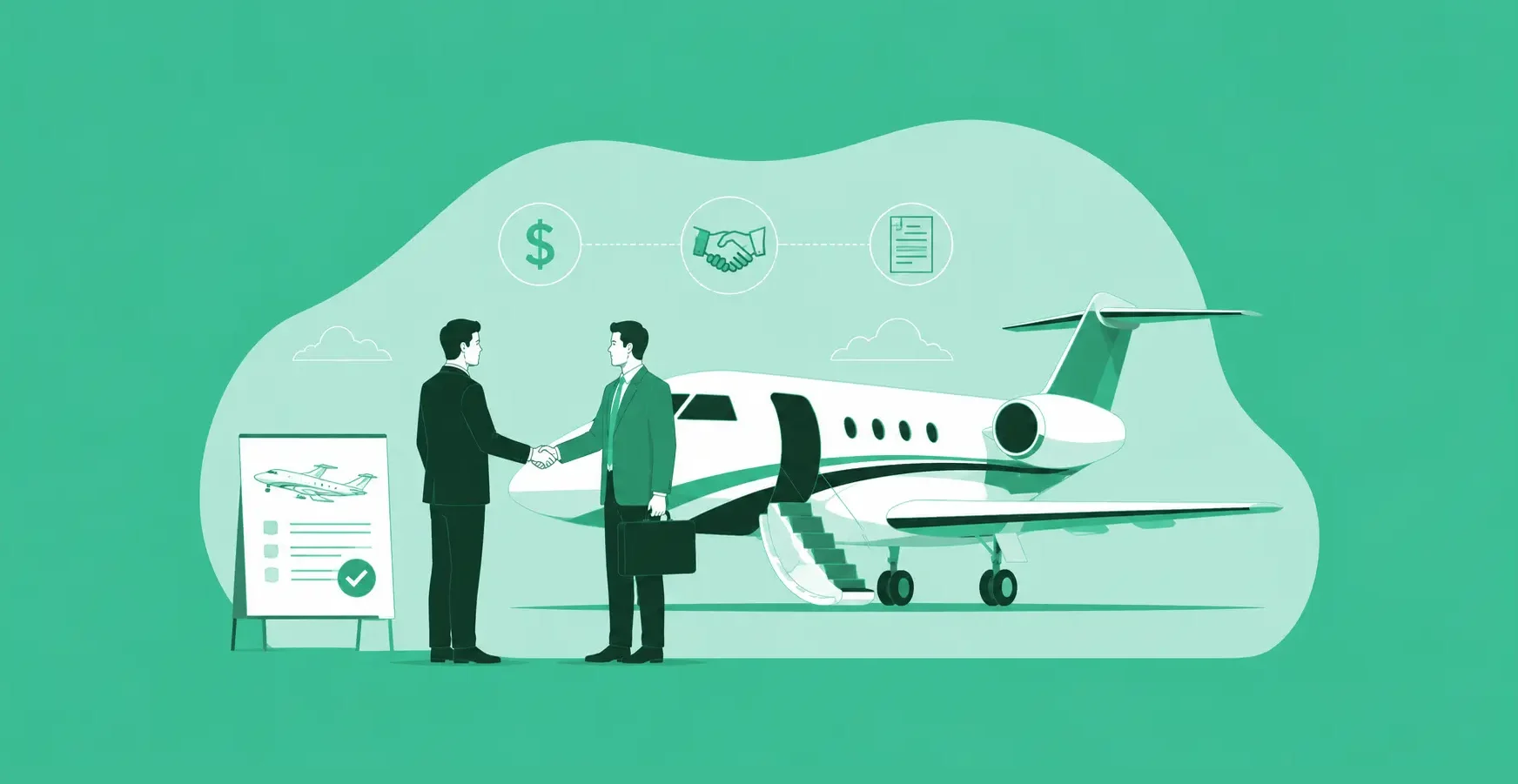
How an Aircraft Purchase Works: Request, Contract, Payment

1

Send us a request

Contact us and tell us about your most ambitious wishes. We will find the best aircraft for you!

2

Sign a contract

Sign Aircraft purchase agreement. This ensures that Aircraft purchase terms and conditions are protected and understood by both parties.

3

Make payment

Make payment for your chosen aircraftin any convenient way. We offer more than 50 different means of payment.

Eight Stages of a Business Jet Purchase

Determine aircraft requirements

Determine your budget and travel needs: Where do you want to fly? How often? How many passengers will you carry? What level of comfort do you prefer?

Send request to us

Contact our manager, who will help you understand the technical characteristics of the aircraft and choose the most suitable model.

Select an aircraft model

Based on your requirements, we will select several aircraft models that are optimally suited in terms of technical characteristics, capacity, flight range and other parameters. We will also help you compare the selected models and make an informed choice. We recommend choosing an aircraft that is 80% of your ideal.

Visual inspection of the aircraft

Choose one or two aircrafts from the available options. We will arrange for a visual inspection where you can personally inspect the aircraft, assess the condition of its interior and exterior and determine the most suitable option for purchase.

LOI and contract

You will need to sign a Letter of Intent to purchase the aircraft (LOI), pay a deposit and sign an Aircraft Purchase Agreement drafted by our experienced lawyers.

Pre-Purchase Inspection (PPI)

We will arrange an independent technical inspection of the aircraft at a certified center to ensure that it is safe and in good working order. You will receive a detailed report on the technical condition of the aircraft to be sure of its reliability. As a result, you will receive a fully operational airworthy aircraft.

Deal closing

At this stage, the aircraft is flown to the closing location and the aircraft is paid for in any way you like. The transaction is conducted through an escrow agent, which guarantees the safety and transparency of the transaction. Your funds will be sent to the seller only after receiving all necessary documents for the aircraft.

Getting an aircraft

We will organize a delivery ceremony to put the aircraft at your service. And we will ensure that your new aircraft gets off to a comfortable start. If necessary, we recommend the operator, insurance company and trusted maintenance center.

Have questions?

Leave your contact information and we will contact you within 5 minutes and tell you everything in more detail.

Find out more

We will advise, select and consult you on all issues.

Frequently asked questions

How does a deal work: stages and timeline from deposit to handover?

The standard path takes 6–10 weeks. Step 1: a letter of intent (LOI) with price and terms — 3–5 days. Step 2: a 5–10% deposit into escrow and signing of the purchase agreement. Step 3: a pre-purchase inspection — 1–3 weeks. Step 4: rectification of findings and price adjustment. Step 5: closing — simultaneous transfer of funds, title and risk, technical acceptance and ferry of the aircraft.

What is a pre-purchase inspection and who pays for it?

A pre-purchase inspection (PPI) is an independent check at a certified centre: airframe, engines, corrosion, records and compliance with airworthiness directives. It takes from 3 days on a turboprop to 2–3 weeks on a heavy jet and costs $15–100K — paid by the buyer. By market practice the seller pays to rectify airworthiness-affecting defects. A seller refusing a PPI is grounds to walk away.

What taxes and duties apply when importing and registering an aircraft?

The import budget depends on jurisdiction. In the EU the main items are any customs duty (most business-jet codes carry reduced or zero rates) and import VAT, which varies by country of entry (for example 19–22% in much of Europe). Registration in Aruba, San Marino or the Isle of Man under operation outside the EU allows a temporary-admission regime. We produce an exact calculation before the LOI is signed — an error here costs millions.

What should you do after buying an aircraft?

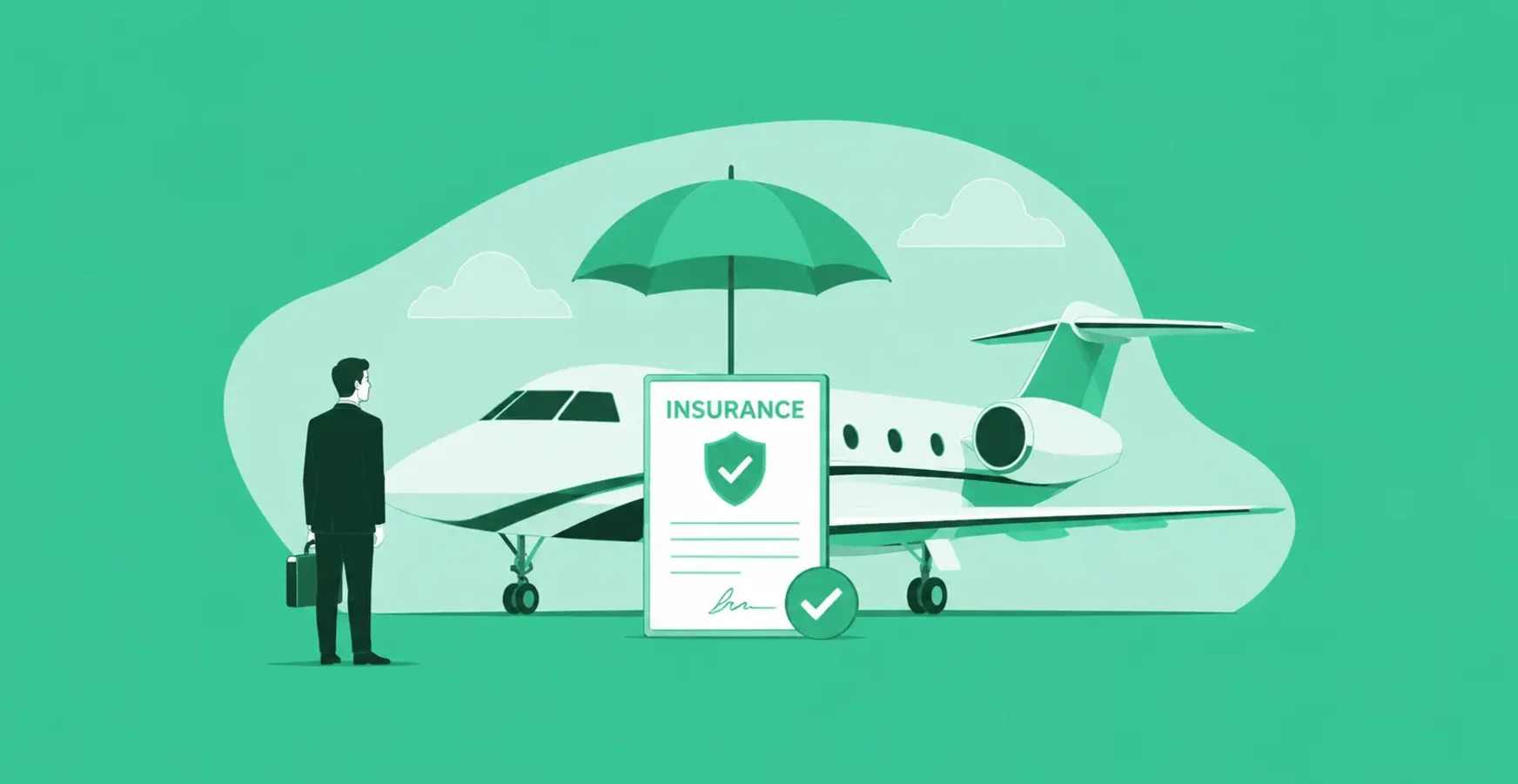
After purchase the aircraft must be entered into service: choose a registry (Aruba, San Marino, Isle of Man or a national one), sign a management and maintenance contract with an operator, enrol the engines on a programme (ESP/JSSI), arrange insurance, hangar and crew, and plan the first maintenance. We support all of these steps. Send us a request — we'll prepare options, calculate running costs and analyse the best fit for your task.

How do you verify an aircraft's legal status and history before buying?

Before a deal we check: title and absence of liens or leases (a registry title search), the full maintenance history and airworthiness-directive records, the status of heavy maintenance checks and engine time remaining, any incident involvement, and compliance with export rules. We organise this review and an independent pre-purchase inspection before any funds move. Send us a request — we'll prepare options, calculate running costs and analyse the best fit for your task.

How far in advance should a flight be booked?

The standard is 24–48 hours before departure: that is enough to confirm the aircraft, crew and slots. For regular clients we arrange a domestic flight from 4–6 hours. International routes need 48–72 hours: overflight permits for some countries take 3–5 working days. On peak dates — Christmas, summer holidays, major forums — aircraft are booked out 2–3 weeks ahead, so plan early.

What are empty legs and how much can you save on them?

An empty leg is the ferry of an empty aircraft to its next job or home to base. Such segments sell at a 30–75% discount to the usual price: a flight that would cost $25K can come to $8–12K. The limits: the date and route are fixed to the aircraft's schedule, and if the main booking is cancelled the flight may shift. We publish current empty legs weekly — watch the listings.

What are the rules on baggage, pets and flying with children?

Baggage is limited only by hold volume: a light jet takes 5–8 suitcases, while midsize and above fit skis, gun cases and golf bags — clear oversized cargo in advance. Pets travel in the cabin in a carrier or crate; a pet passport, microchip and documents for the destination country are required. Children fly from birth to 2 years with no surcharge.

Can you carry alcohol, smoke and hold events in the cabin?

Alcohol is allowed in the cabin and is included in catering on request. Smoking follows the rules of the specific aircraft and operator (not permitted on most VIP cabins, with some exceptions). Business meetings, presentations and celebrations in the cabin are possible on midsize aircraft and above. Send us a request — we'll prepare options, calculate running costs and analyse the best fit for your task.

What happens if a flight is delayed or cancelled due to weather?

In non-flying weather or an airport closure the operator offers a rescheduled departure, a change of alternate airfield or a substitute aircraft — safety always takes priority and the captain decides. If the operator cancels through its own fault, the fee is refunded. We stay in contact with the operator and quickly rebuild the flight. Send us a request — we'll prepare options, calculate running costs and analyse the best fit for your task.

How JetHunter Works With Clients: A Word From the Founder

image

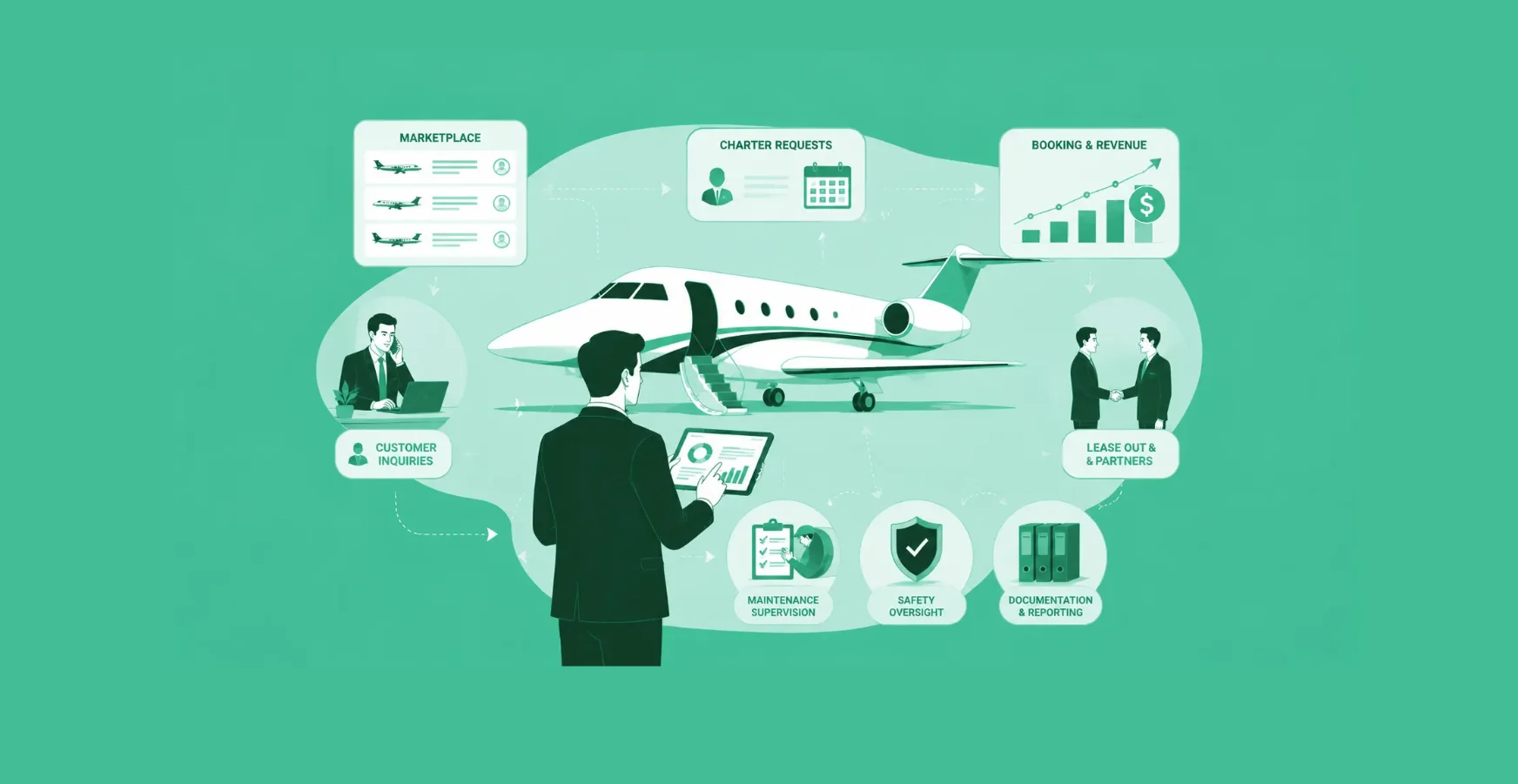
For those who value time above all else, the sky opens up limitless possibilities. At JetHunter we have built a service that turns private flying into a tool of efficiency and comfort. When you charter an aircraft with us, you get more than transport — you get a carefully designed space for work and rest.

Our approach is comprehensive. Looking to buy a private jet, or need a business jet for a certain period? We will be your reliable partner. Every client gets personal attention: we walk you through the model range, help you choose an aircraft to buy, and arrange charter terms that keep your budget and business goals in focus.

We value the trust you place in us and aim to build a long-term, mutually rewarding relationship with every client.

With JetHunter you acquire more than an aircraft — you open up a new standard of living, where distance is no obstacle to your ambitions.

Sincerely,
Alex Mordvintsev, Founder of JetHunter