





Frequently asked questions
Diamond DA42 VI: what is it and what to check before buying?
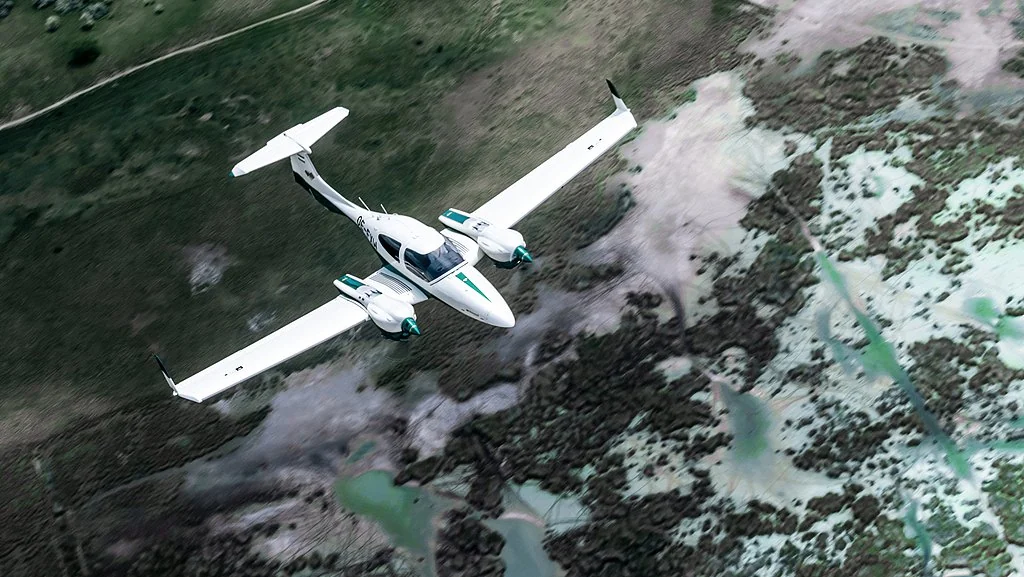
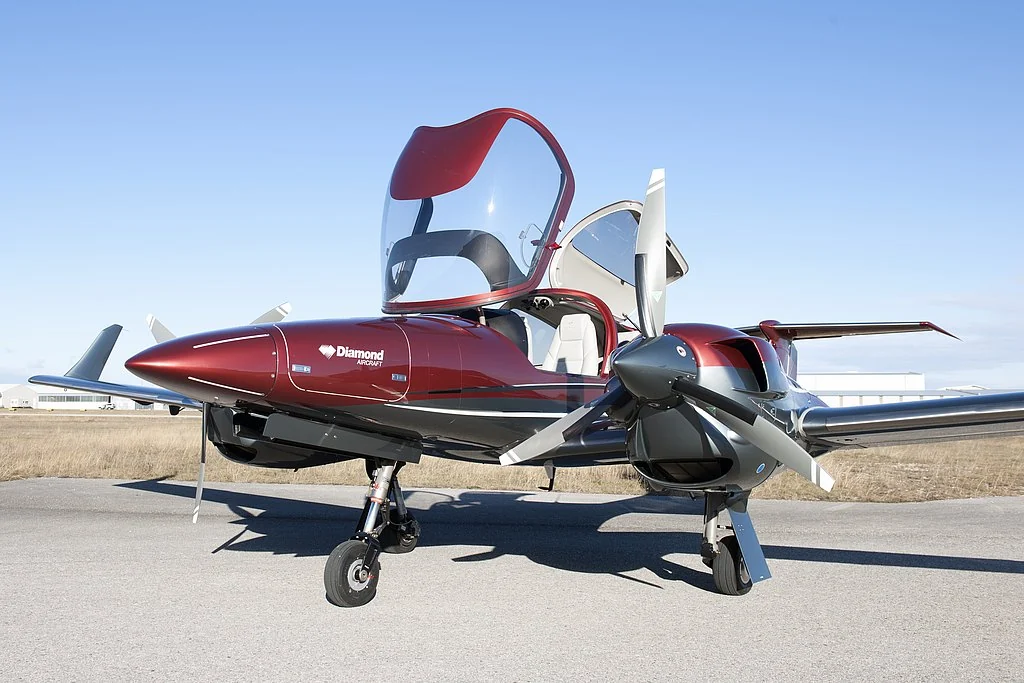
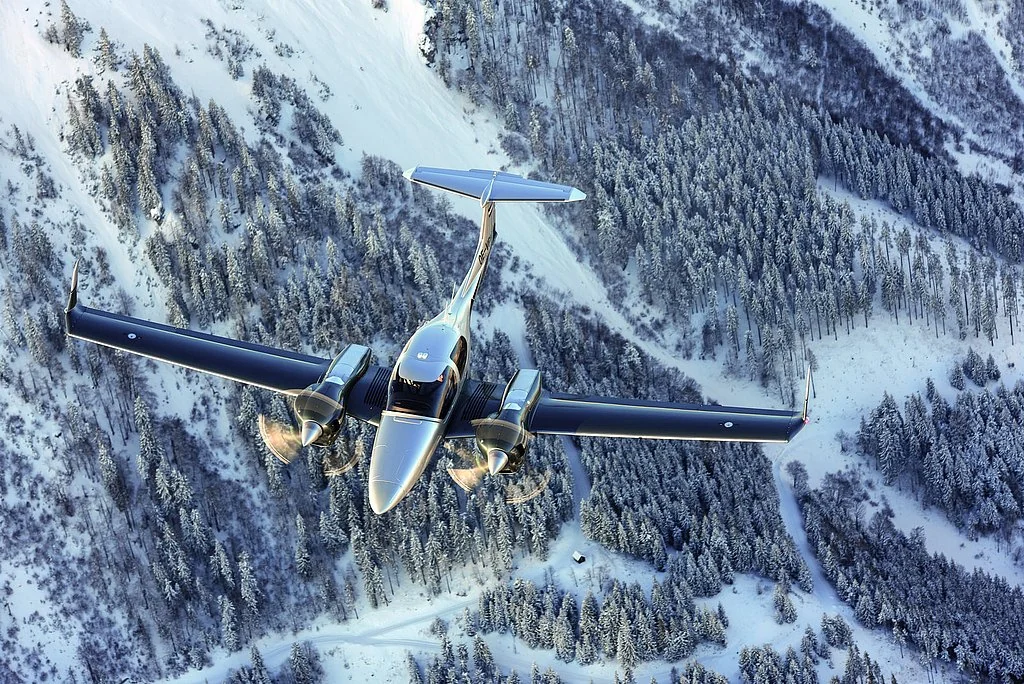
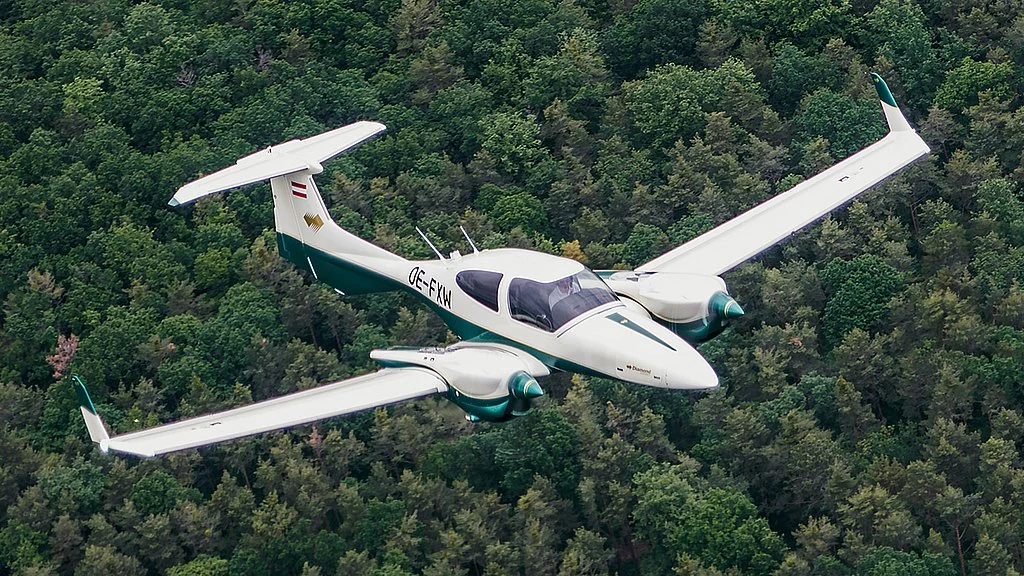
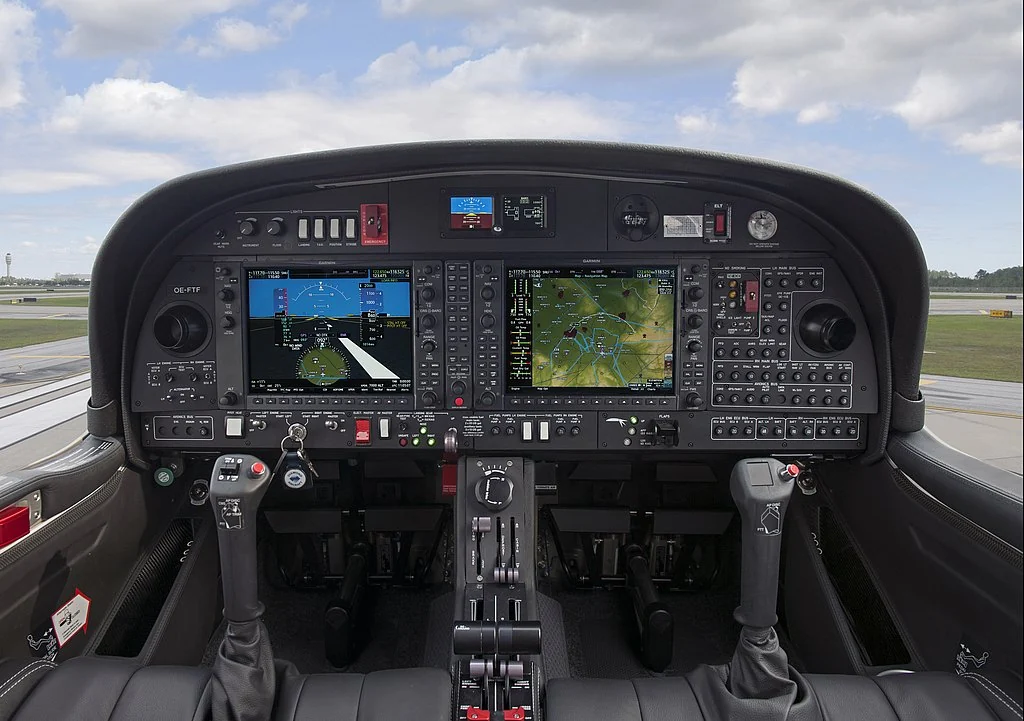
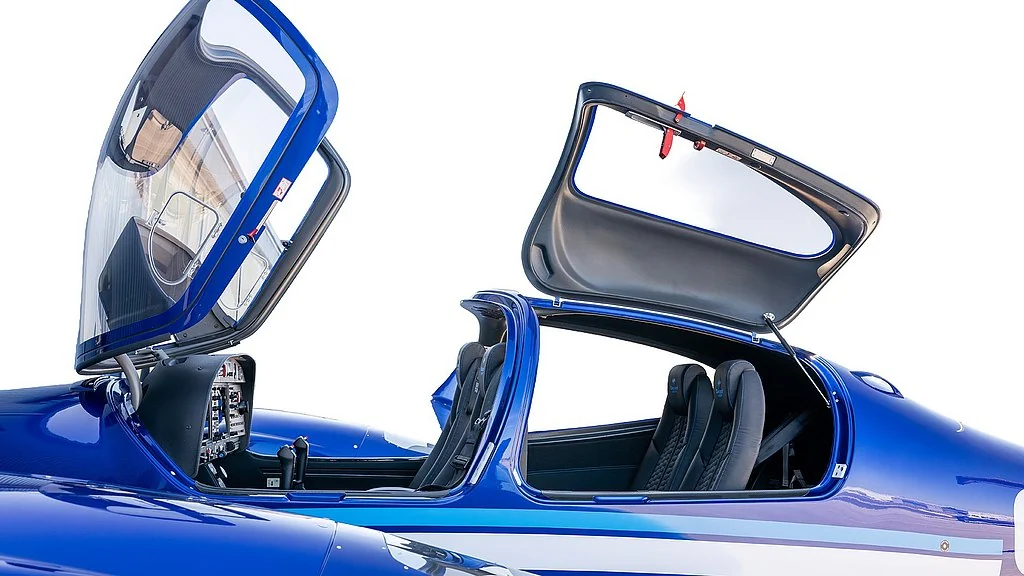
The Diamond DA42 VI is a piston aircraft by Diamond Aircraft (Austria), in production since 2012. It seats 4, with 2,250 km range, a 360 km/h cruise and two Austro AE300 (2×168 hp diesel) engines. When buying, two Jet-A diesels keep burn low; check engine life. Send us a request — we'll prepare options, calculate running costs and analyse the best fit for your task.
How much does a Diamond DA42 VI cost: purchase and upkeep?
For the Diamond DA42 VI: a typical used price of $600K; new — $1M. At 300–400 h/year, running cost is about $180K/yr, or $450/h. The final figure depends on year, hours and condition. Send us a request — we'll prepare options, calculate running costs and analyse the best fit for your task.
What are piston aircraft best for?
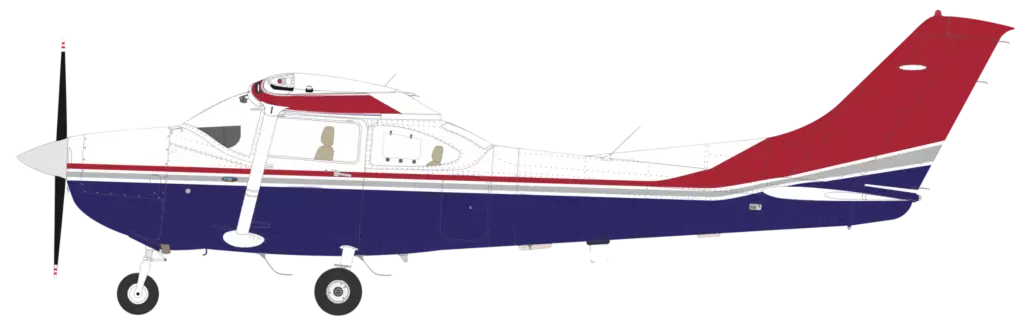
Piston aircraft suit training, personal flights and short legs up to 1,000–1,900 km: the Cirrus SR22, Piper Archer and M350, Diamond DA40/DA62 and Cessna 172/182. They are cheaper per hour and clear short, unpaved strips, but trail turboprops on speed and altitude. Send us a request — we'll prepare options, calculate running costs and analyse the best fit for your task.
What range and how many seats do pistons offer?
A typical piston carries four passengers over 1,000–1,900 km at a 200–350 km/h cruise; six-seat types like the Piper M350 and Diamond DA62 reach 1,800–1,900 km. Real range depends on payload, winds and fuel reserves. Send us a request — we'll prepare options, calculate running costs and analyse the best fit for your task.
How does a piston differ from a turboprop?
A piston is cheaper to buy ($0.3–1.4M vs $2–7M) and to fly per hour, but slower (200–350 km/h vs 500–600) with a lower ceiling. A turboprop carries more and flies farther; a piston wins on short legs and training. Send us a request — we'll prepare options, calculate running costs and analyse the best fit for your task.
Which piston models are in the fleet?
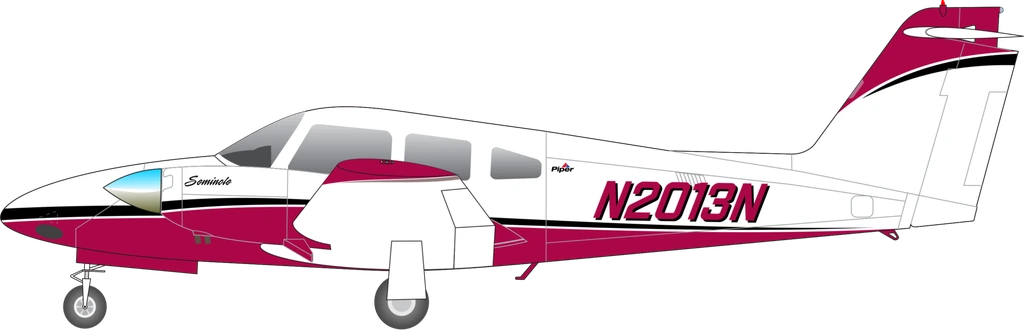
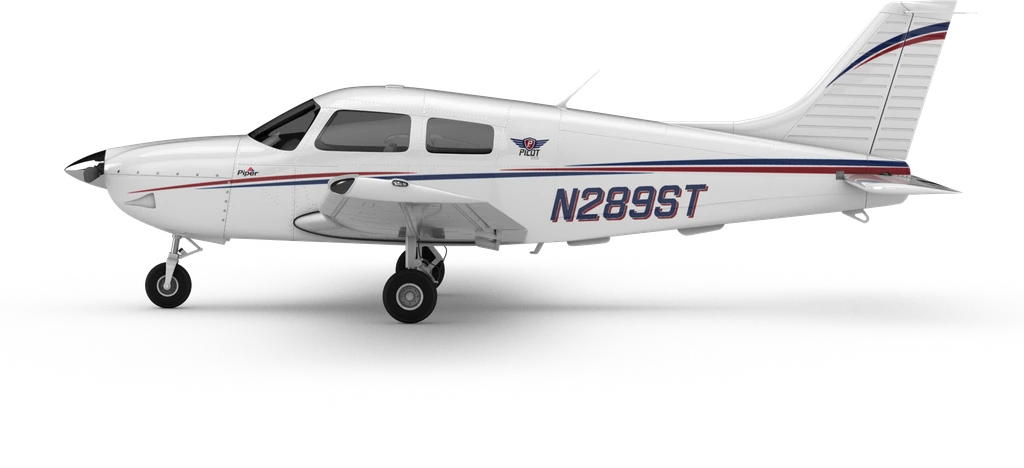
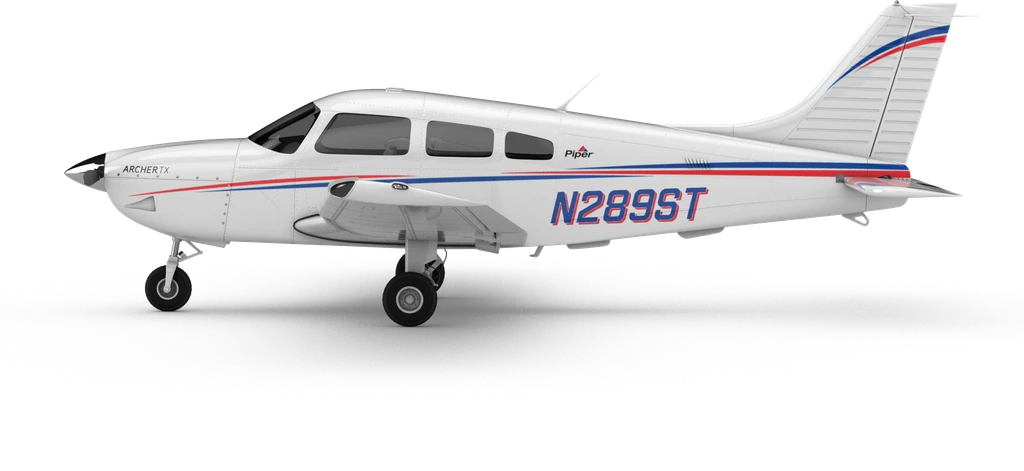
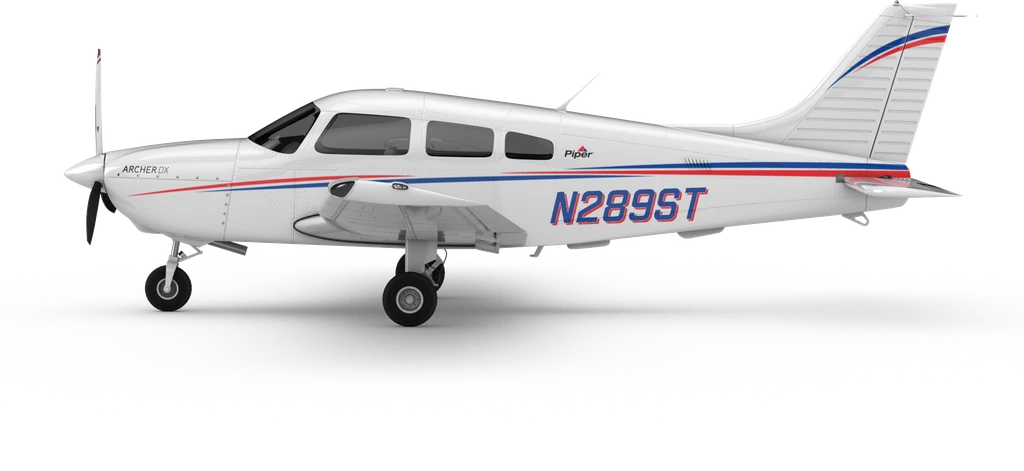
The piston fleet covers trainers and touring types: the Piper Archer, Pilot 100i and Seminole, the pressurised M350, the Cirrus SR22 and Diamond DA40/DA62. We'll match a model to your task — training, personal flights or short legs. Send us a request — we'll prepare options, calculate running costs and analyse the best fit for your task.
How do you choose an aircraft to buy for your needs?
Start from two numbers: the length of your typical route and the number of passengers. Up to 1,000 km and 4 people — a turboprop or light jet; 2,000–4,000 km — a midsize jet; nonstop intercontinental — a long-range jet. Then adjust for short runways, baggage volume and sleeping berths. We'll match a model to your profile and calculate the ownership economics. Send us a request — we'll prepare options, calculate running costs and analyse the best fit for your task.
New aircraft or pre-owned — which is the better buy?
A new aircraft means a factory warranty and a 1–3-year queue, but the price is at its peak. A pre-owned aircraft means immediate delivery and a price 30–60% lower, while engine time and history matter. For most buyers a fresh 3–7-year-old aircraft is optimal: the main depreciation has happened and plenty of life remains. We cost both options. Send us a request — we'll prepare options, calculate running costs and analyse the best fit for your task.