









Frequently asked questions
Lineage 1000: what is it and what to check before buying?
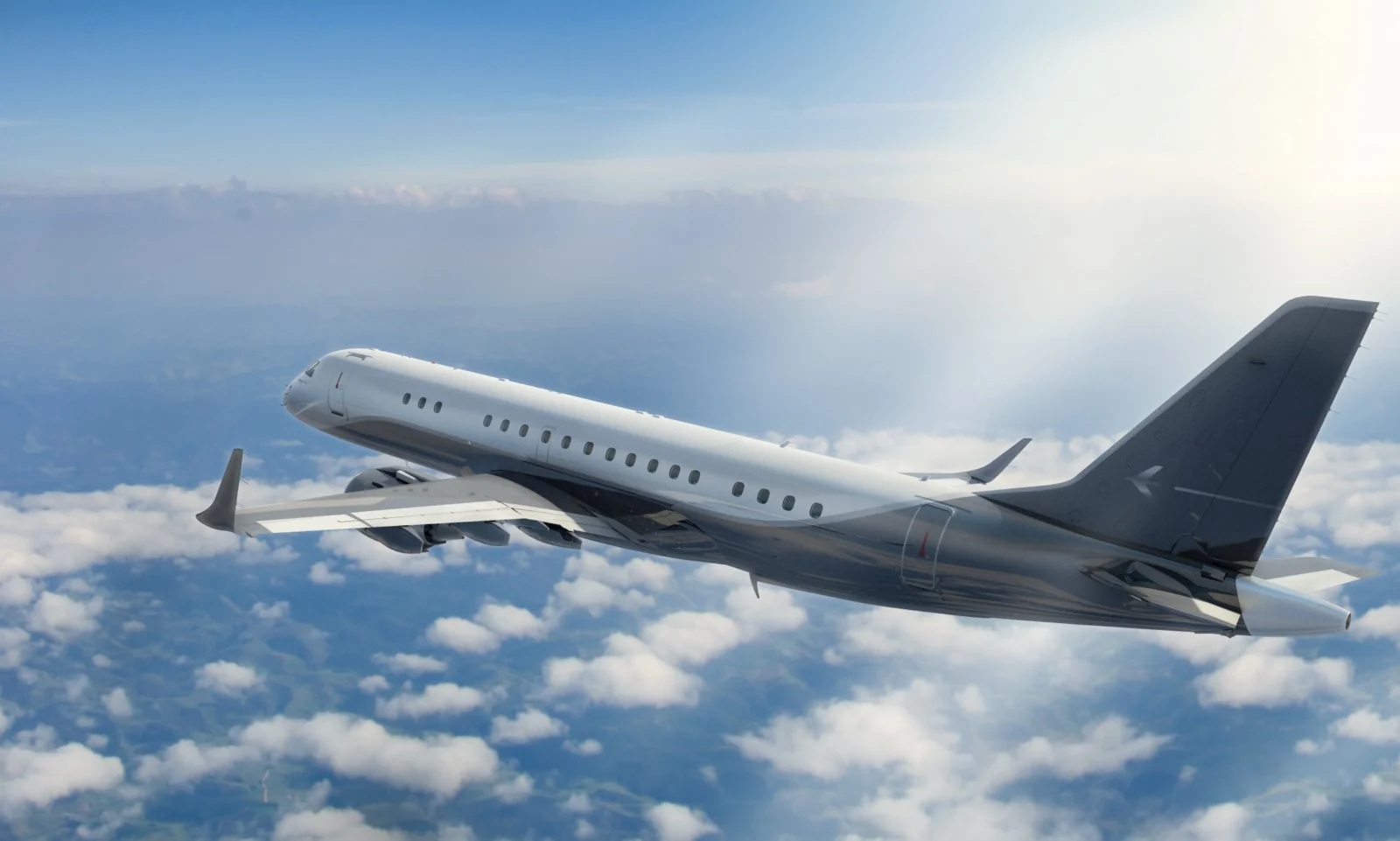
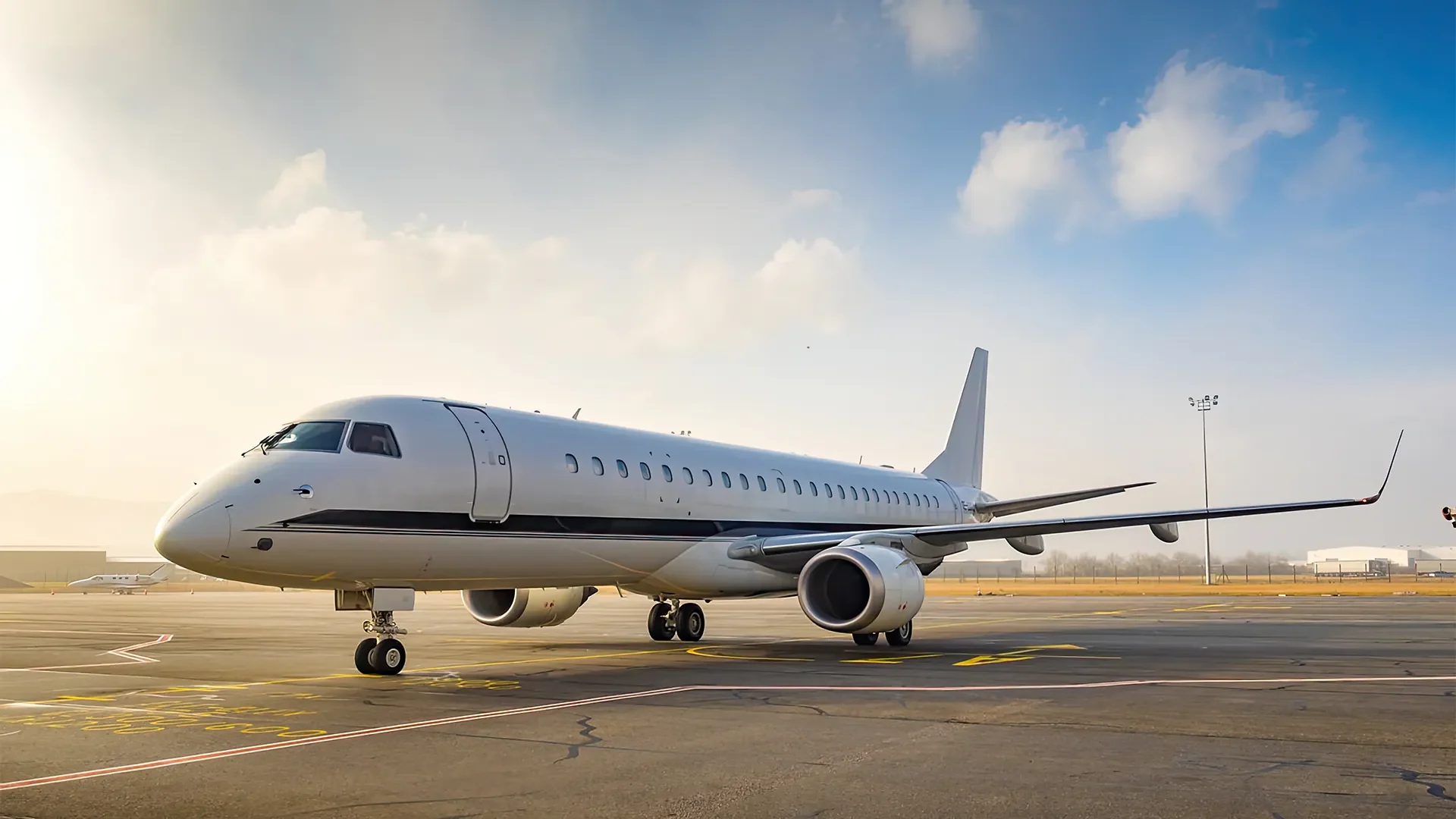
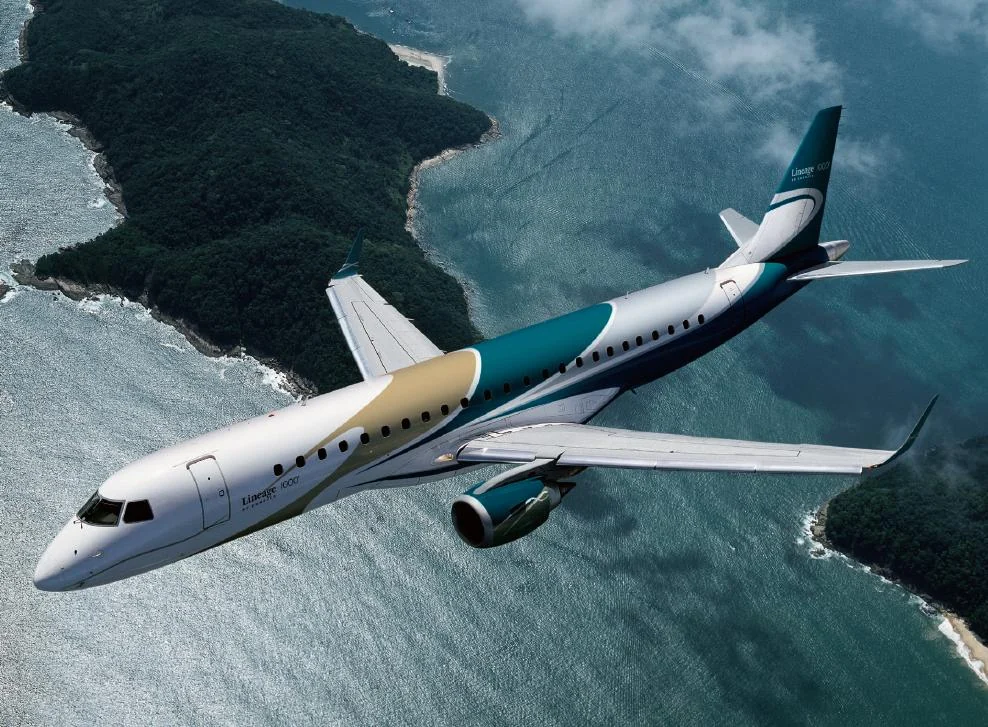
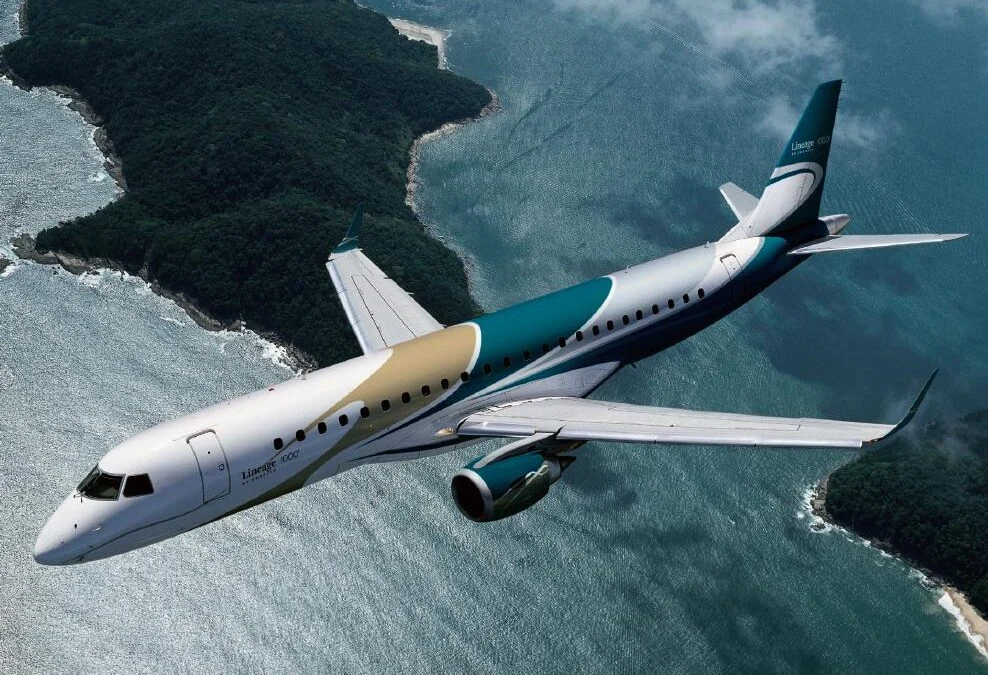
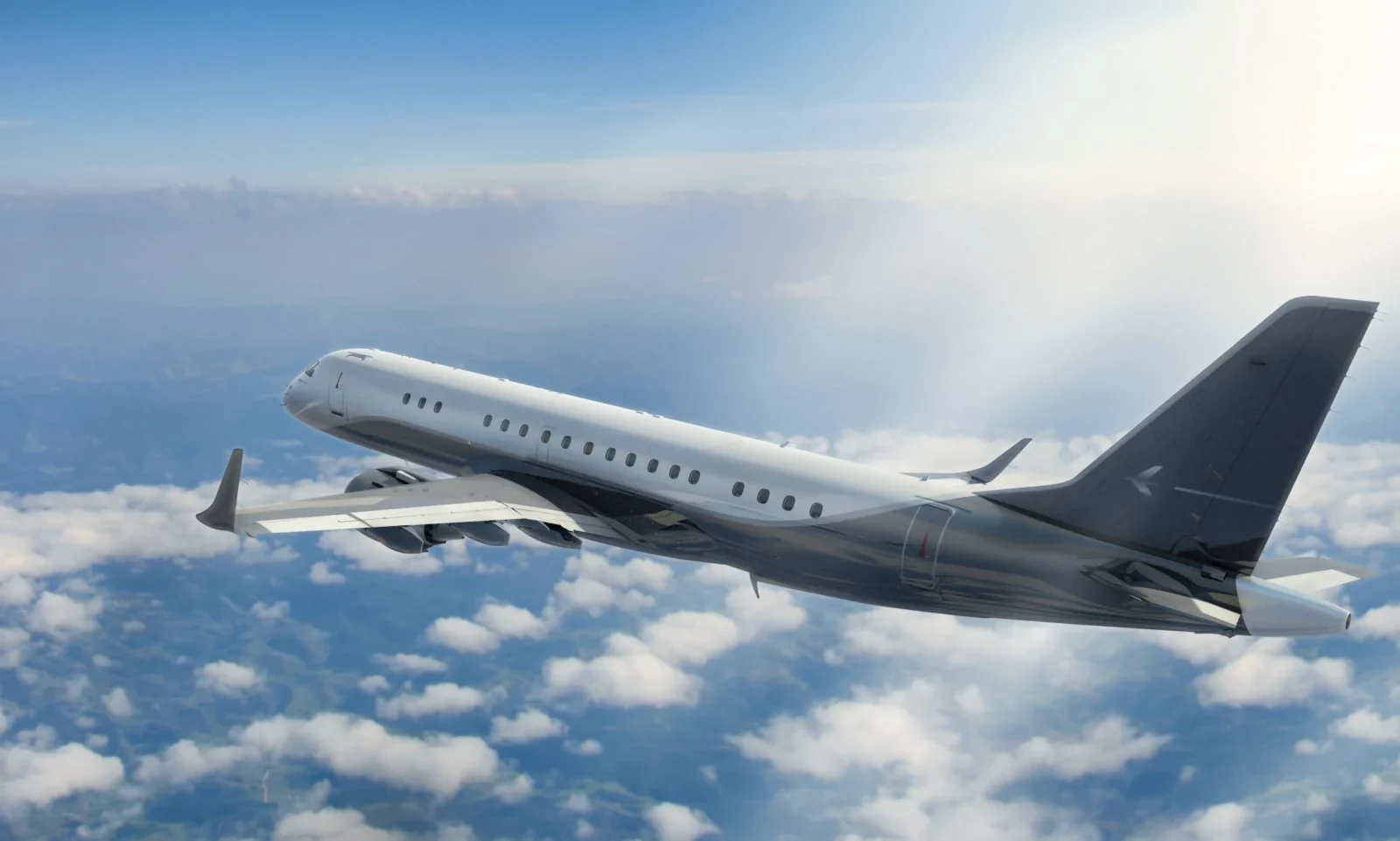
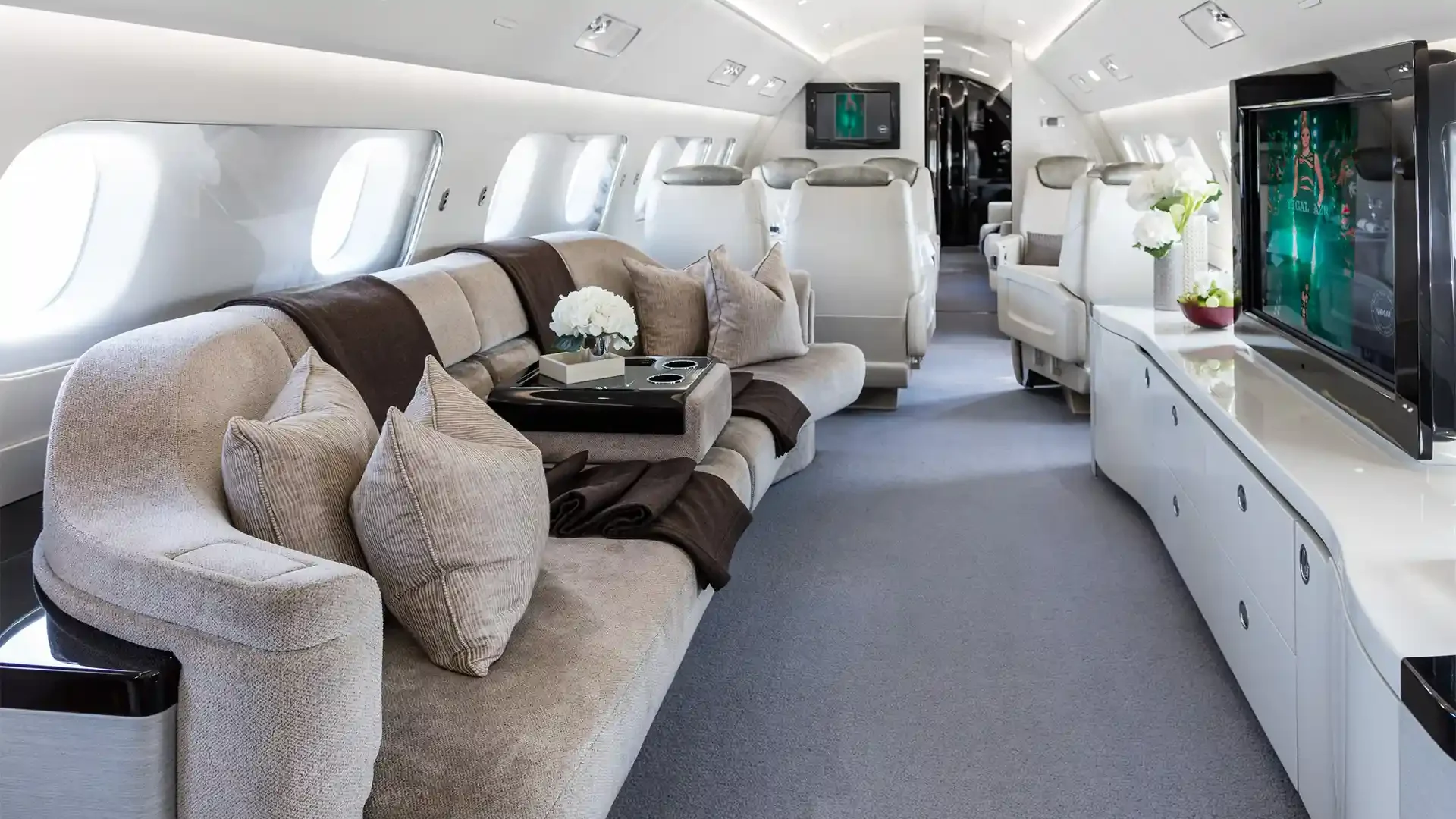
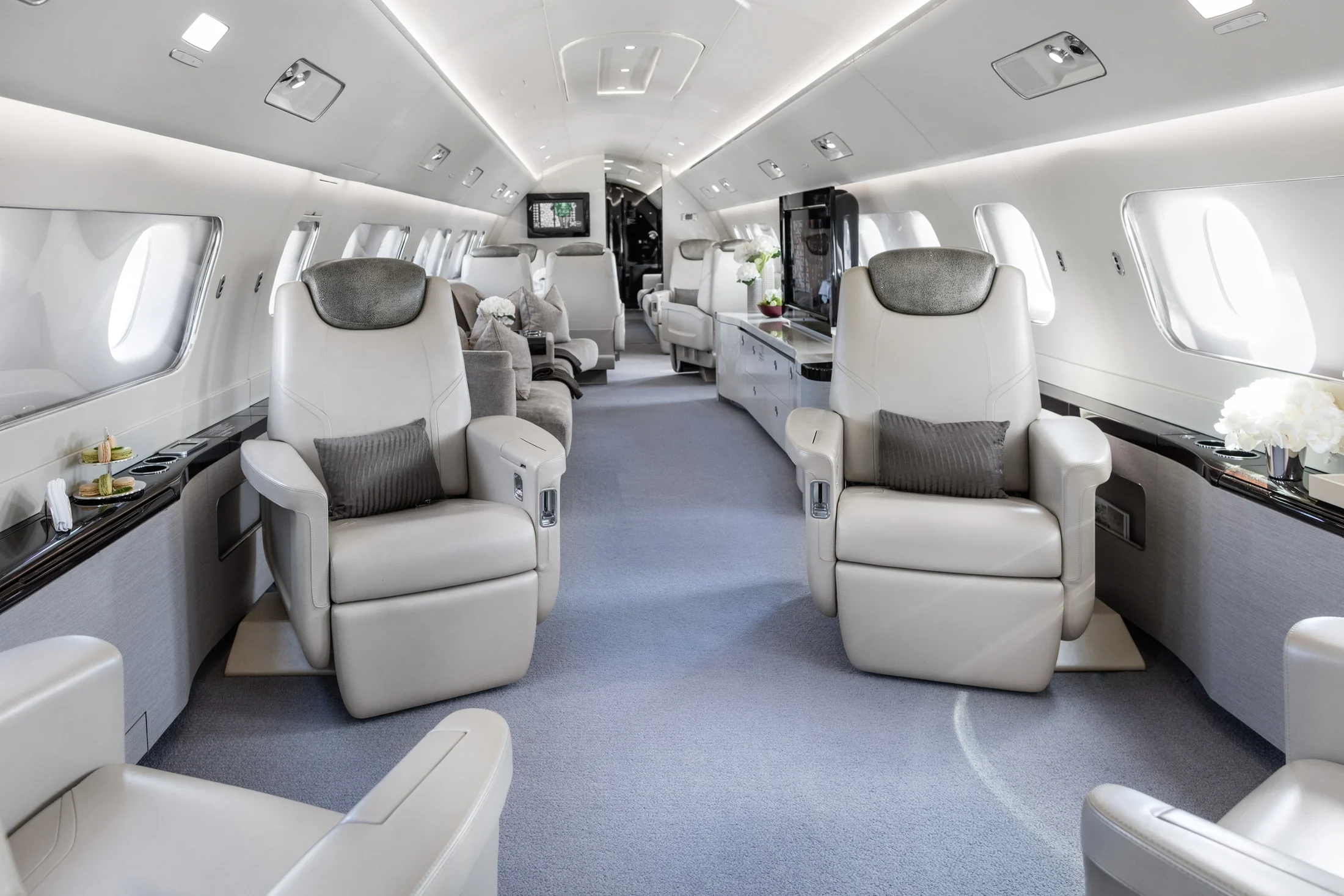
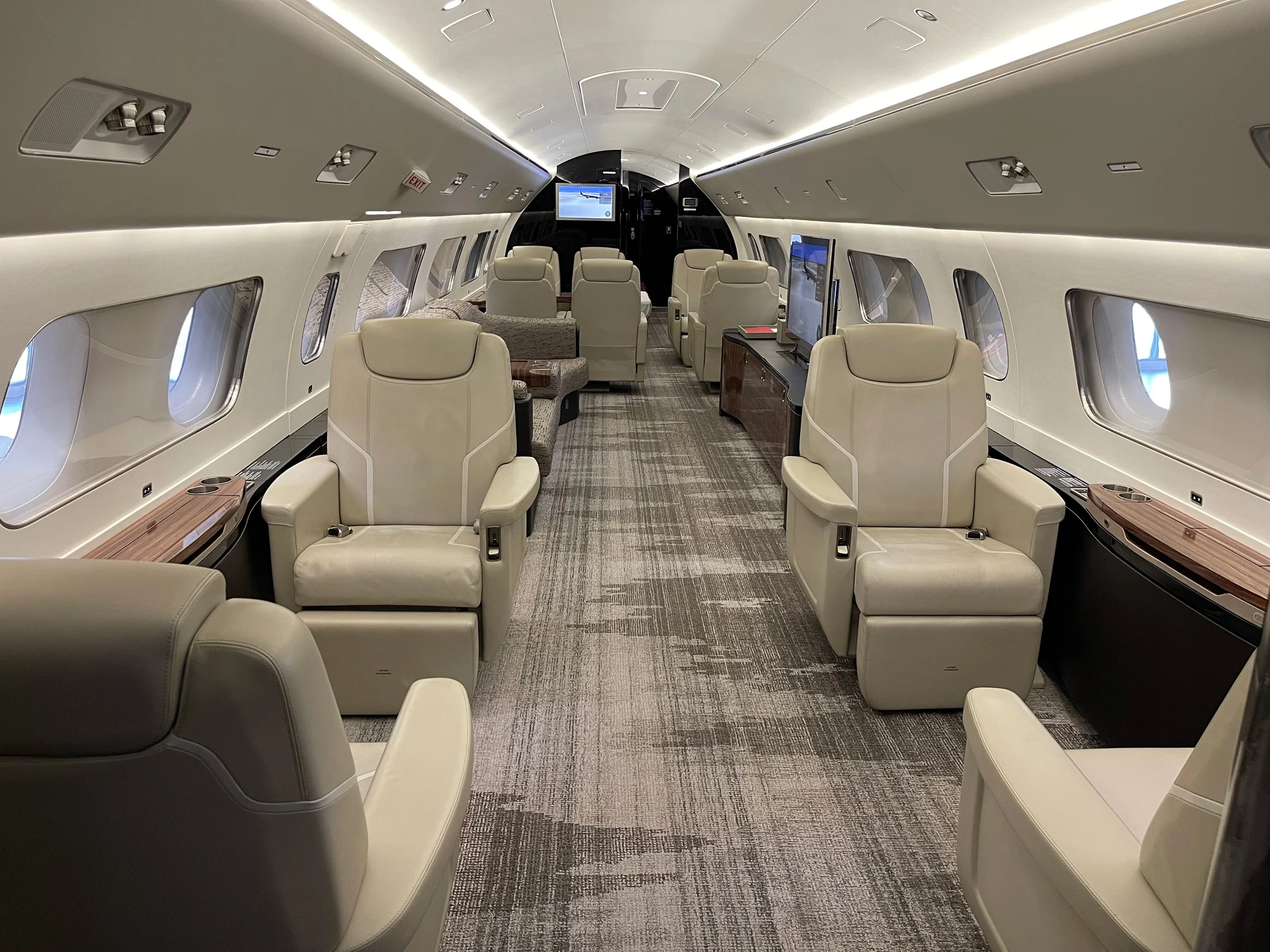
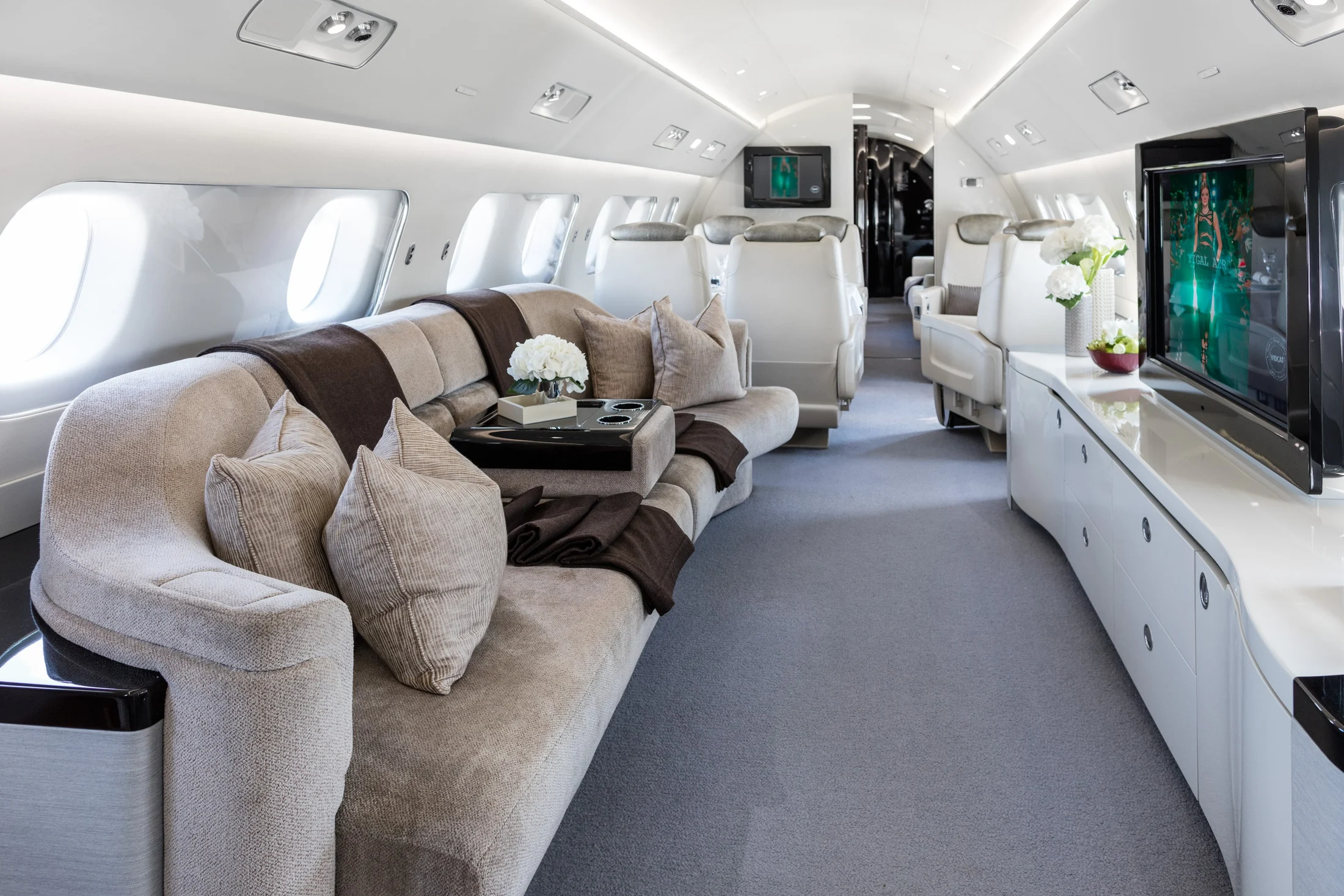
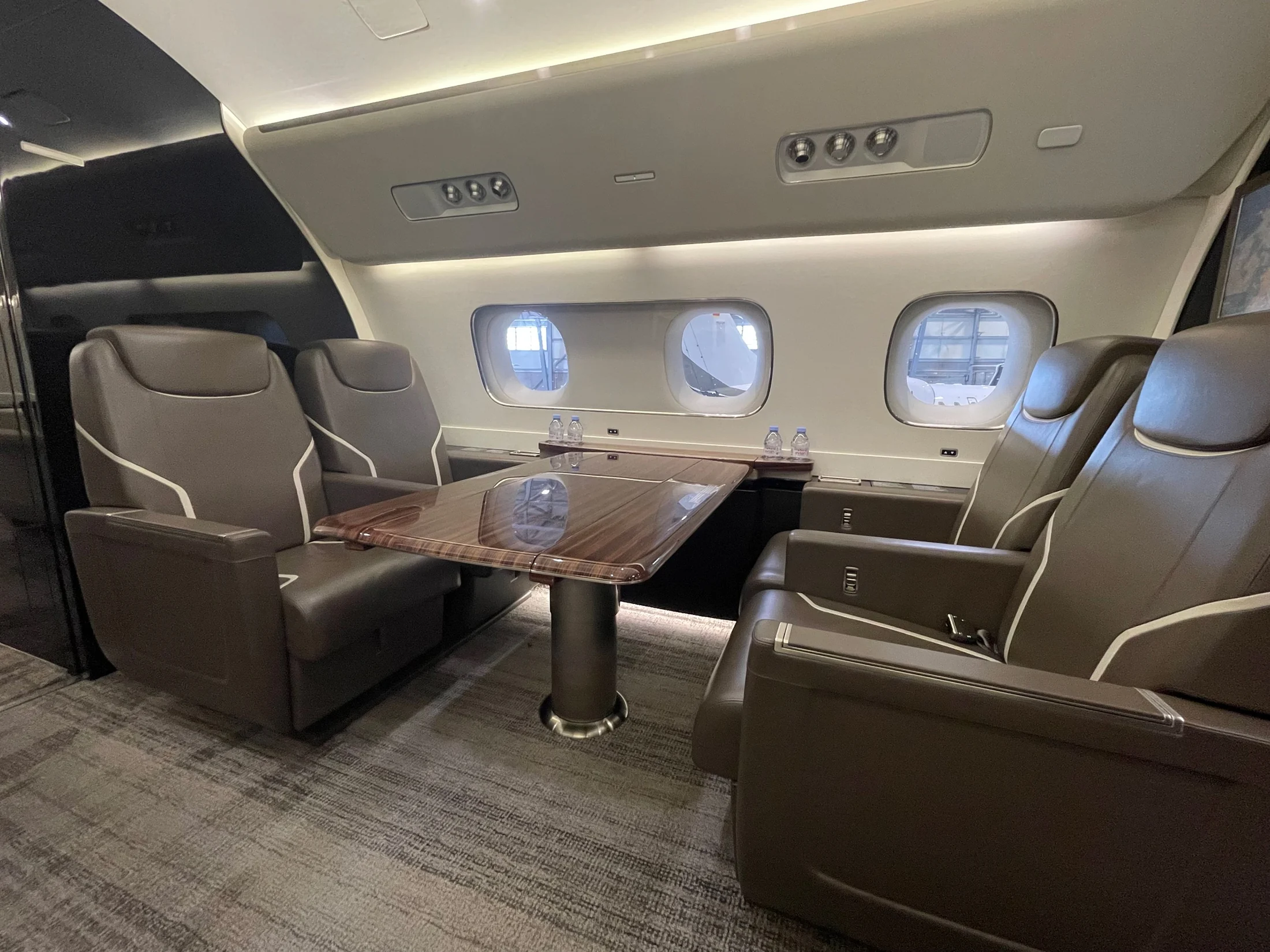
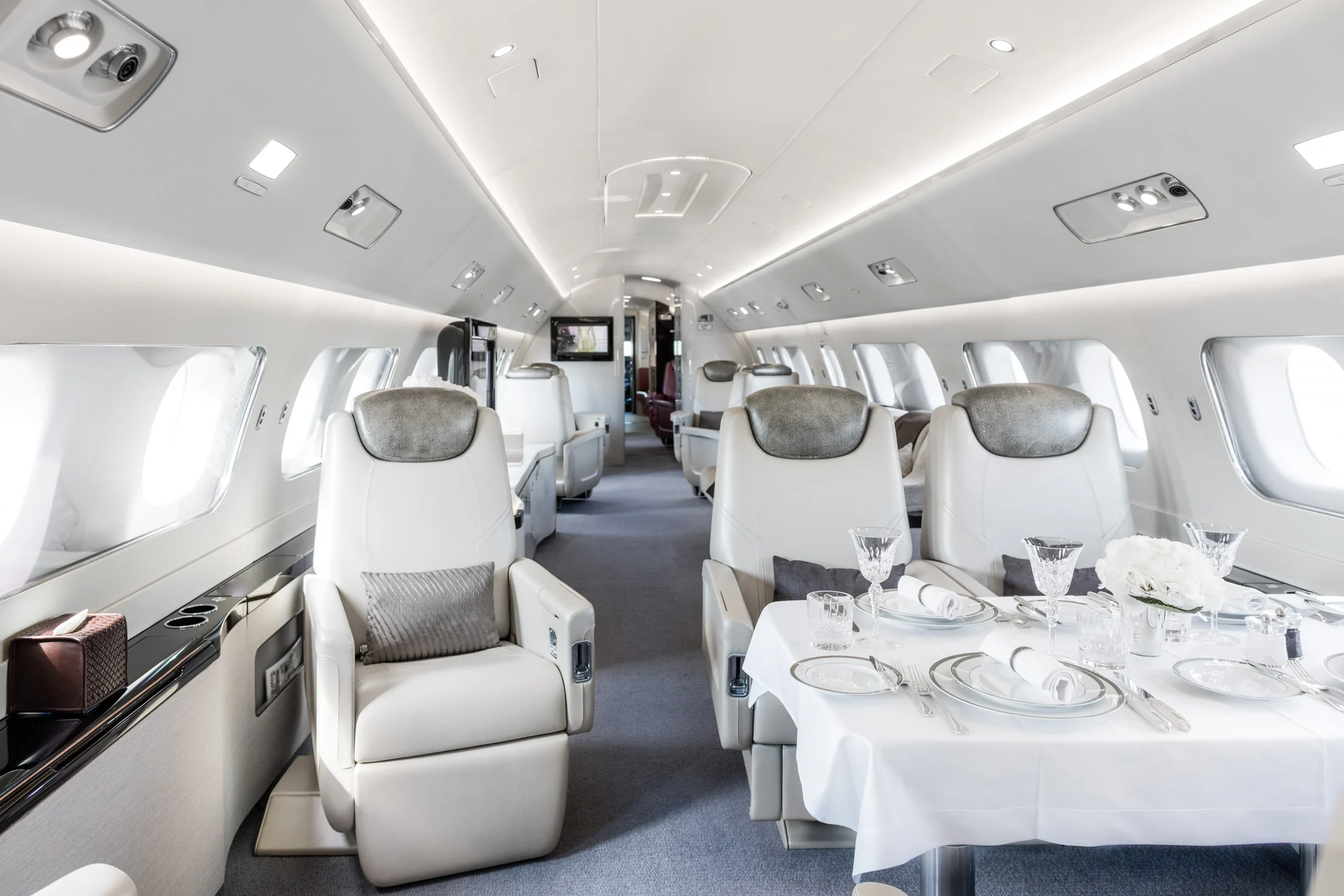
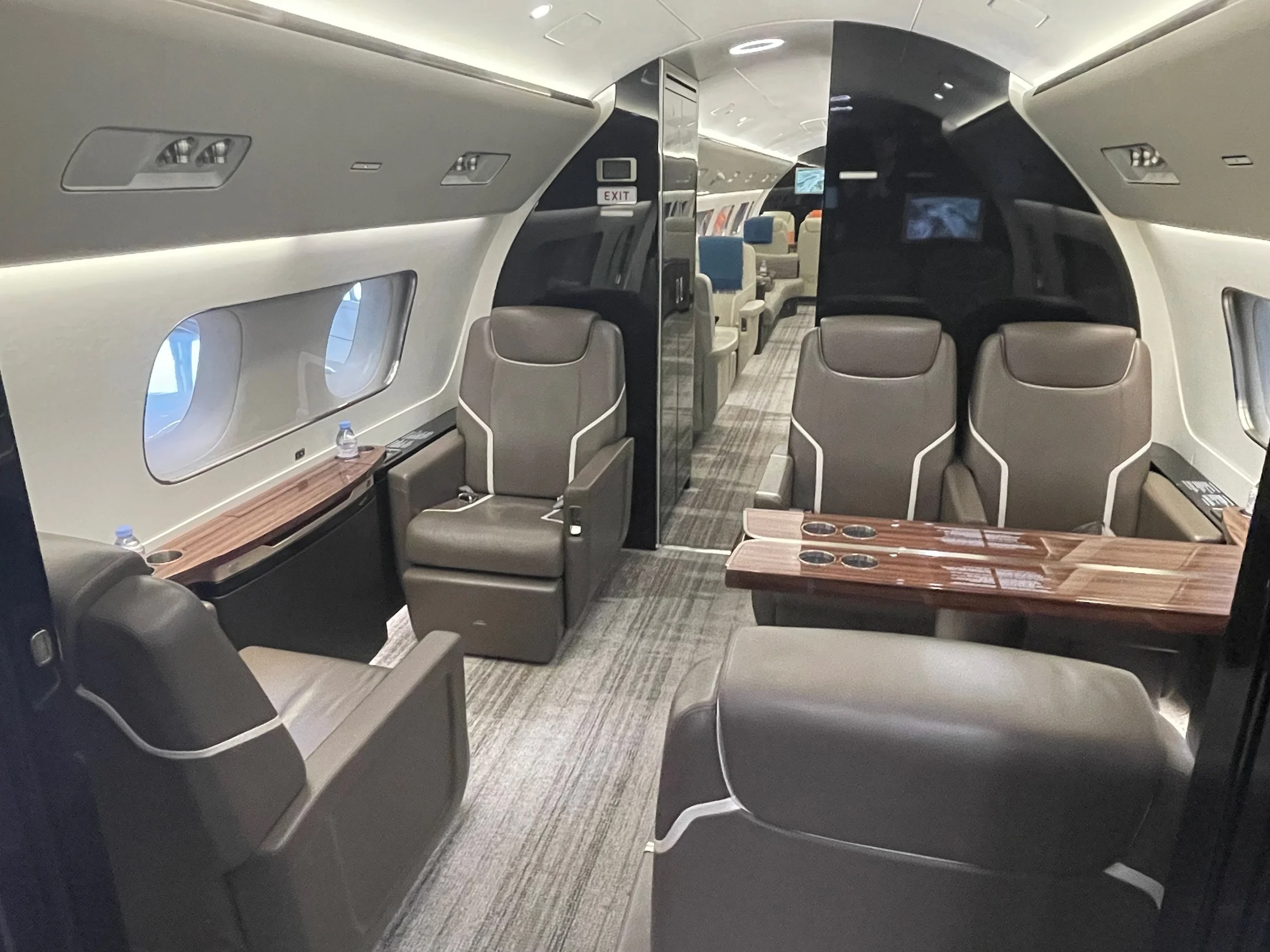
The Lineage 1000 is a business liner by Embraer (Brazil), built from 2008 to 2013. It seats 19, with 8,149 km range, a 850 km/h cruise and two General Electric CF34-10E engines. When buying, check the cabin fit-out and CF34 engine status. Send us a request — we'll prepare options, calculate running costs and analyse the best fit for your task.
How much does a Lineage 1000 cost: purchase and upkeep?
For the Lineage 1000: a used-market price of $16M. At 300–400 h/year, running cost is about $5.5M/yr, or $13,853/h. The final figure depends on year, hours and condition. Send us a request — we'll prepare options, calculate running costs and analyse the best fit for your task.
What is Embraer known for and which business jets does it build?
Brazil's Embraer is the world's third-largest maker of civil aircraft after Airbus and Boeing. Its business line: the very light Phenom 100EX, the light Phenom 300E — the world's best-selling light jet for 12 years running — and the super-midsize Praetor 500/600 with up to 7,440 km of range. Signature style: BMW-studio cabins and full fly-by-wire on the Praetor. Send us a request — we'll prepare options, calculate running costs and analyse the best fit for your task.
How reliable are the Phenom and Praetor and what about service?
The Phenom 300 fleet has passed 700 aircraft with dispatch reliability above 99.8% — the PW535E engines run 5,000 hours to overhaul. The Praetor inherited the airframe of the proven Legacy 450/500 line. Embraer's service network in Europe and the Middle East (Paris, Lisbon, Dubai) fully covers regional operators' needs, and heavy checks do not require a flight to the Americas. Send us a request — we'll prepare options, calculate running costs and analyse the best fit for your task.
How well does Embraer hold value on the pre-owned market?
The Phenom 300 is a liquidity benchmark: a five-year-old 300E sells for $9–10.5M against a new $12.5M, and 30–60-day exposure is among the shortest on the market. The Praetor 600, short of new slots, sells at minimal discount. Early Phenom 100 ($2.3–3M) is a popular first jet, with steady demand even in weak quarters. Send us a request — we'll prepare options, calculate running costs and analyse the best fit for your task.
How does the Praetor 600 differ from the Challenger 3500?
Two super-midsize leaders. The Praetor 600 is longer-legged — 7,441 km versus 6,297 km for the Challenger — and has full fly-by-wire with active turbulence damping. The Challenger 3500 answers with the widest cabin in class (2.19 m versus 2.08 m) and a far larger fleet of 300/350 predecessors, meaning a developed service infrastructure. List prices are close: $21–27M. Send us a request — we'll prepare options, calculate running costs and analyse the best fit for your task.
What routes and tasks suit business liners?
A business liner is a flying residence or headquarters: cabins of 60–270 m² hold bedrooms, showers, meeting rooms for 8–12 and a staff area. Typical scenarios: flights for heads of state and corporations with 15–50-person delegations, family travel with staff, and artist and sports-team tours. Where a group feels cramped even in a Global, liner territory begins. Send us a request — we'll prepare options, calculate running costs and analyse the best fit for your task.
What range and how many passengers do business liners have?
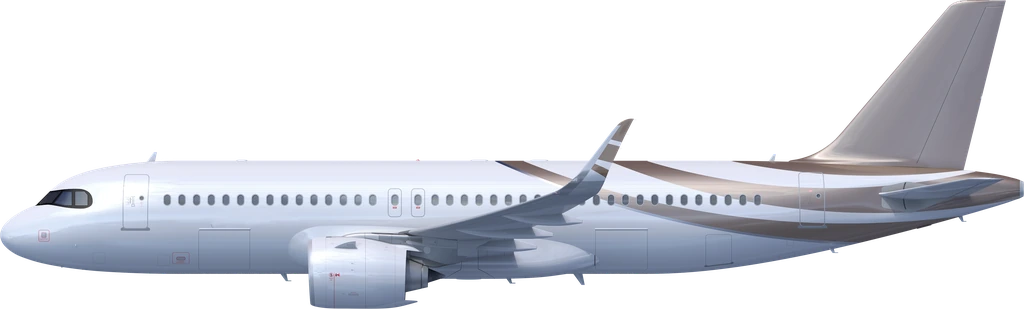
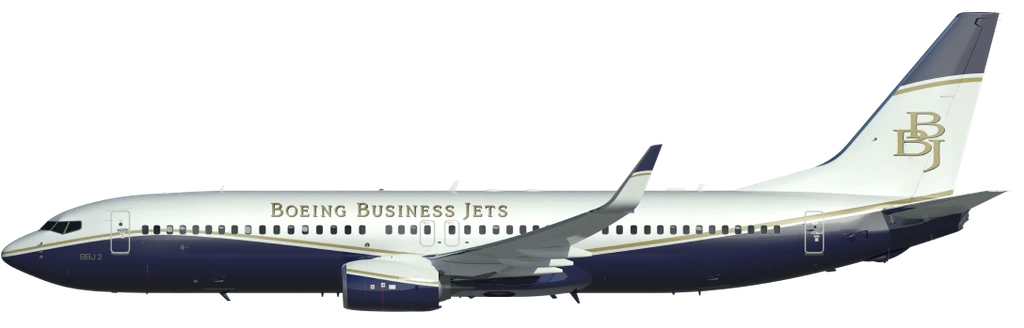
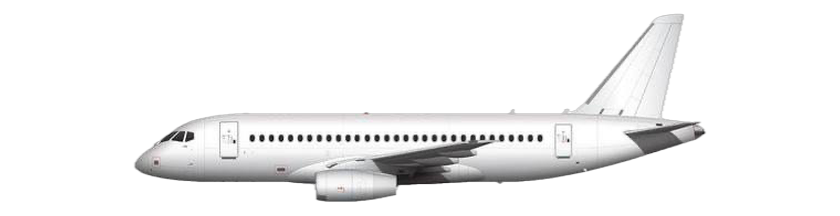
The ACJ TwoTwenty — 18 seats and 10,500 km; the ACJ320neo — 25 seats and 11,100 km; the BBJ 737-8 — 11,700 km with a 79 m² cabin; the Lineage 1000E — 19 seats and 8,500 km; the Sukhoi Business Jet — 19–23 seats and up to 7,200 km. Wide-body ACJ330neo and BBJ 787 cover 17,000–18,500 km — any pair of cities on the planet nonstop. Send us a request — we'll prepare options, calculate running costs and analyse the best fit for your task.
How does a business liner differ from neighbouring classes?
Cabin area is 60–270 m² versus 25–40 m² on a Global or Gulfstream: full bedrooms, a shower and a cinema appear. The flip side: a liner needs runways from 2,000–2,500 m and full airport infrastructure, an hour costs one and a half to two times more, and cruise is lower (M0.78–0.85 versus M0.90). Up to 12–15 passengers a jet is more rational; more — a liner. Send us a request — we'll prepare options, calculate running costs and analyse the best fit for your task.
Which business liners are in the fleet and how do they differ?
Fourteen aircraft: the Airbus ACJ line from the compact TwoTwenty to the wide-body ACJ350-9 (up to 19,000+ km), Boeing BBJ 737 MAX in three sizes and the long-range BBJ 787/777-8, the Embraer Lineage 1000E with five cabin zones, and the Sukhoi Business Jet — 19–23 seats at half the price of Western equivalents, supported in the CIS. Send us a request — we'll prepare options, calculate running costs and analyse the best fit for your task.
How do you choose an aircraft to buy for your needs?
Start from two numbers: the length of your typical route and the number of passengers. Up to 1,000 km and 4 people — a turboprop or light jet; 2,000–4,000 km — a midsize jet; nonstop intercontinental — a long-range jet. Then adjust for short runways, baggage volume and sleeping berths. We'll match a model to your profile and calculate the ownership economics. Send us a request — we'll prepare options, calculate running costs and analyse the best fit for your task.
New aircraft or pre-owned — which is the better buy?
A new aircraft means a factory warranty and a 1–3-year queue, but the price is at its peak. A pre-owned aircraft means immediate delivery and a price 30–60% lower, while engine time and history matter. For most buyers a fresh 3–7-year-old aircraft is optimal: the main depreciation has happened and plenty of life remains. We cost both options. Send us a request — we'll prepare options, calculate running costs and analyse the best fit for your task.