







Frequently asked questions
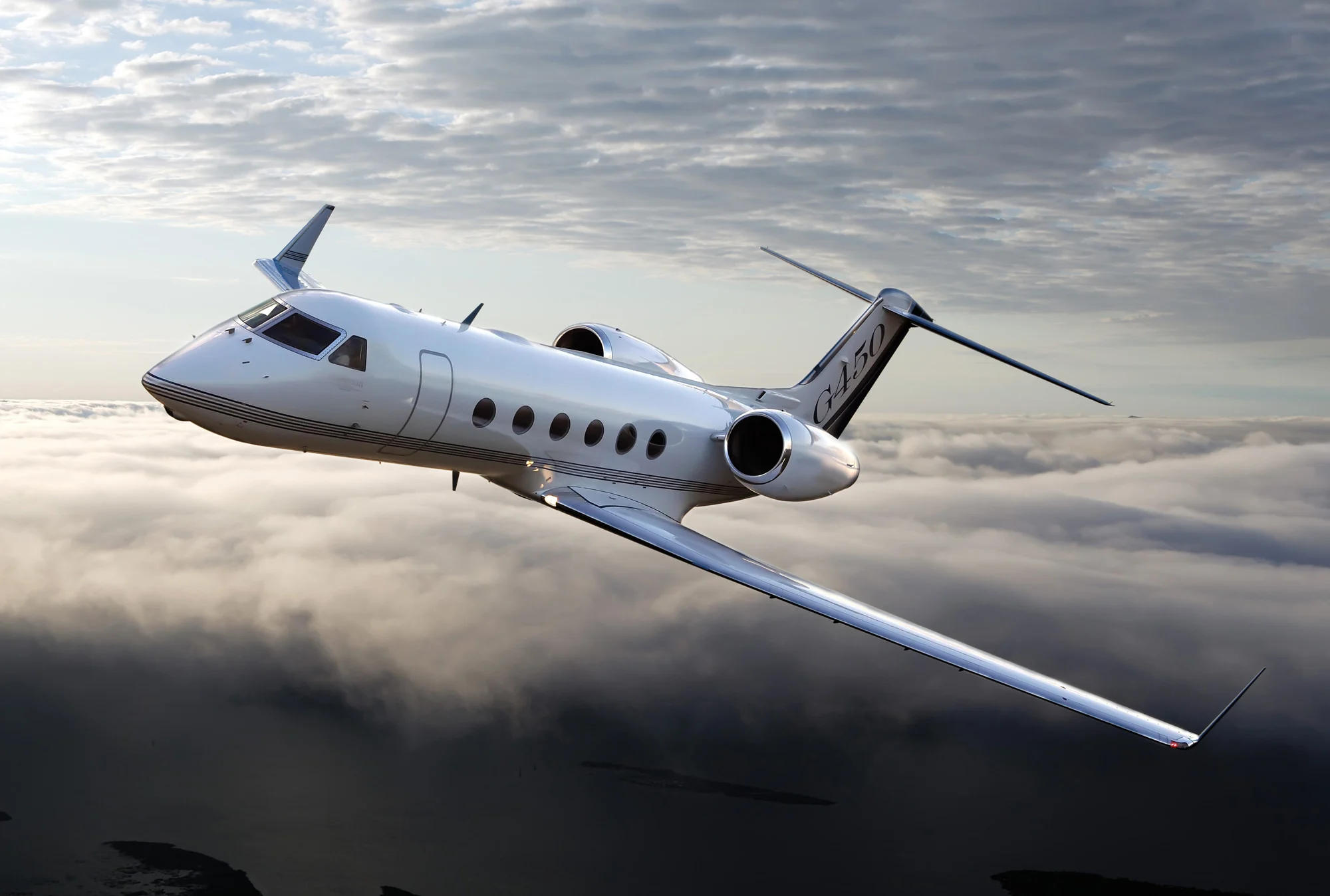
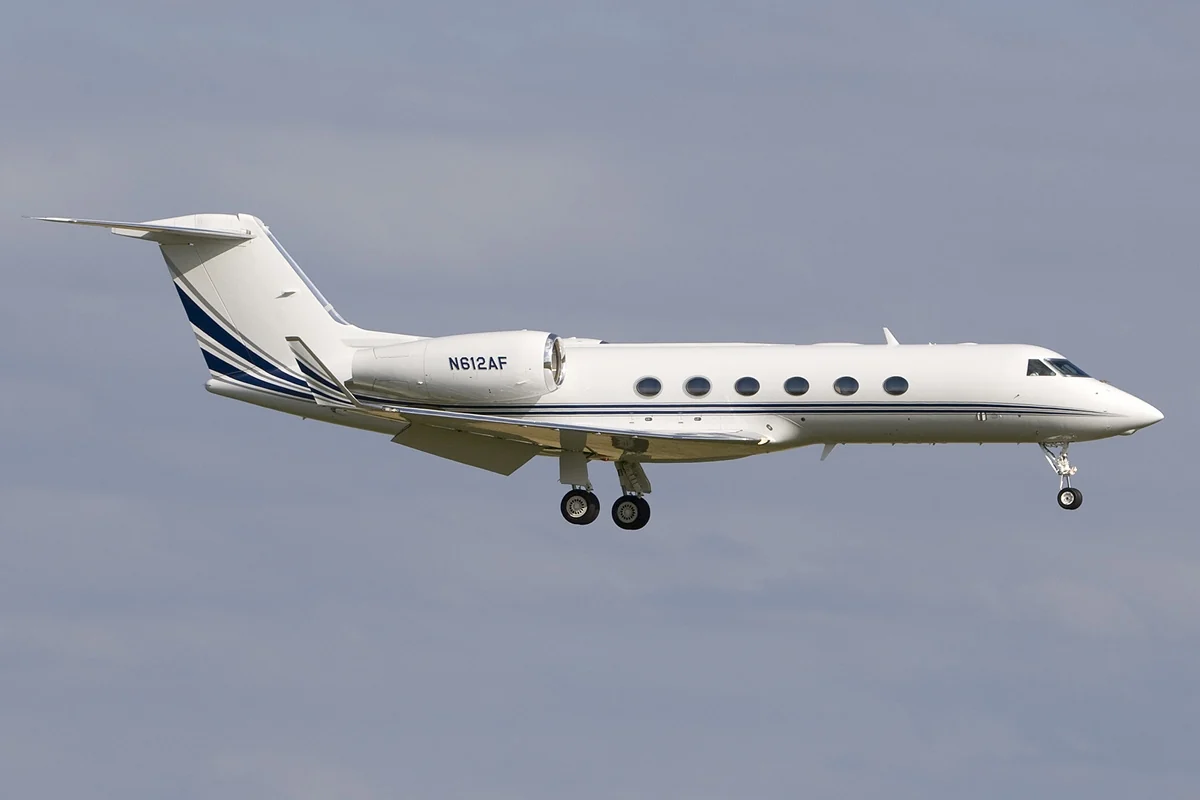
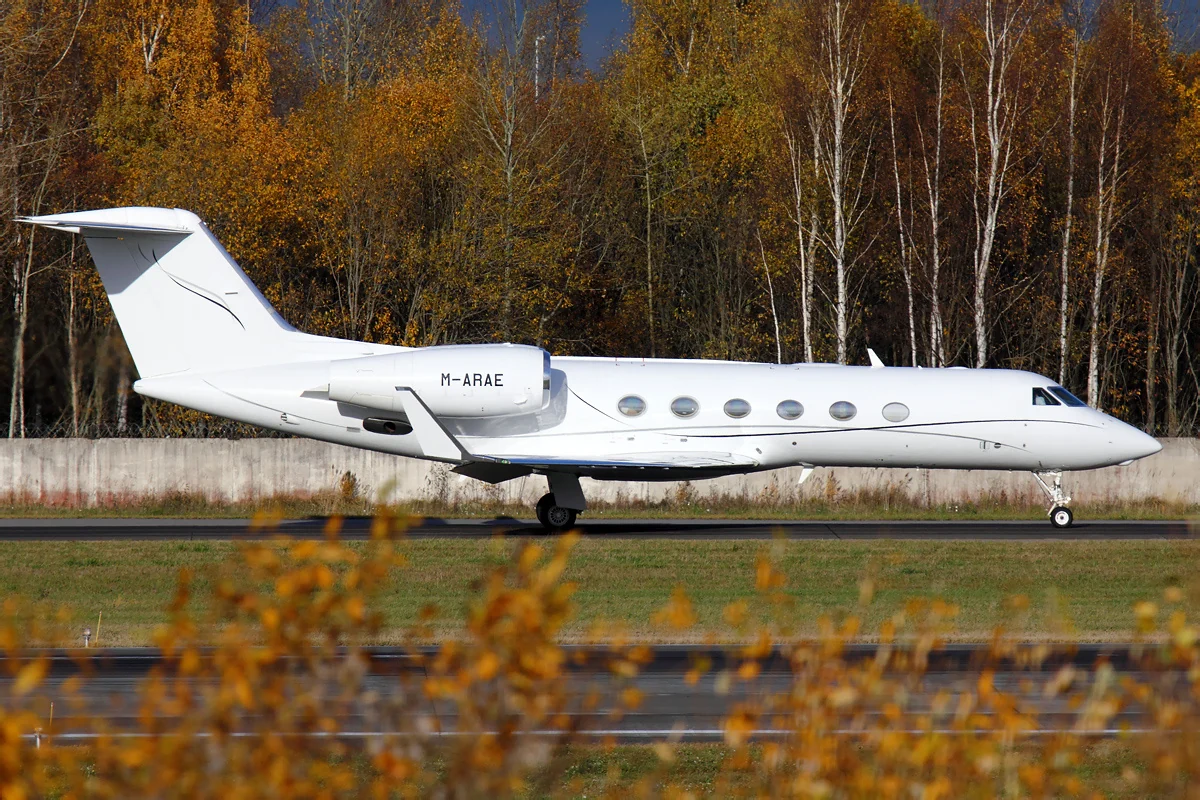
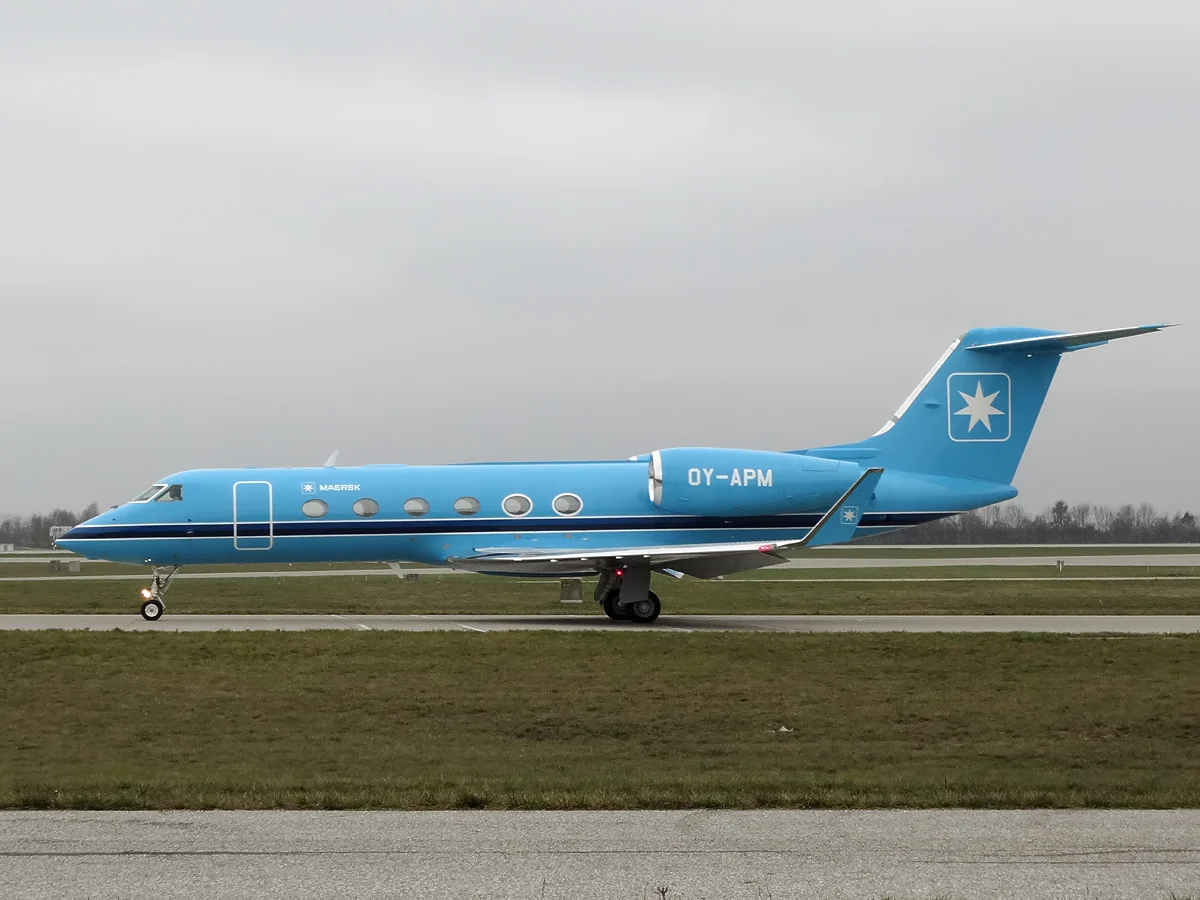
Gulfstream G450: what kind of aircraft is it and what to consider when buying?
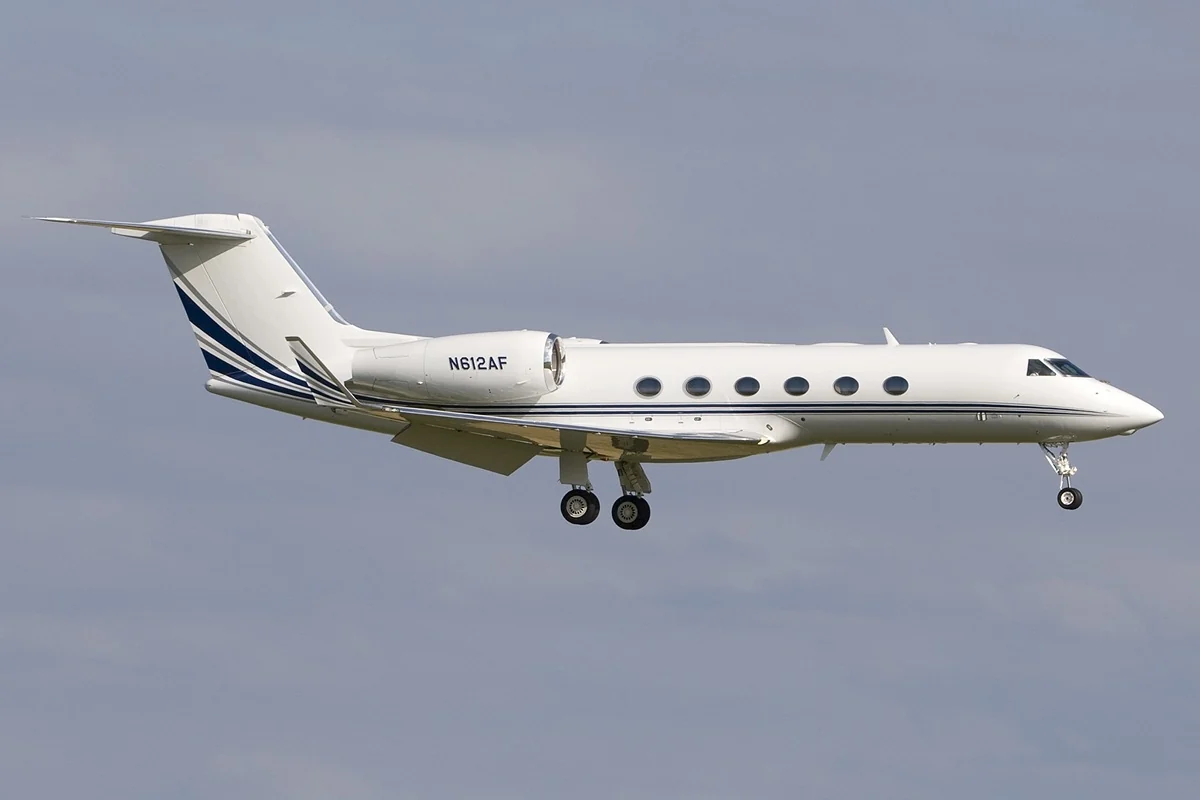
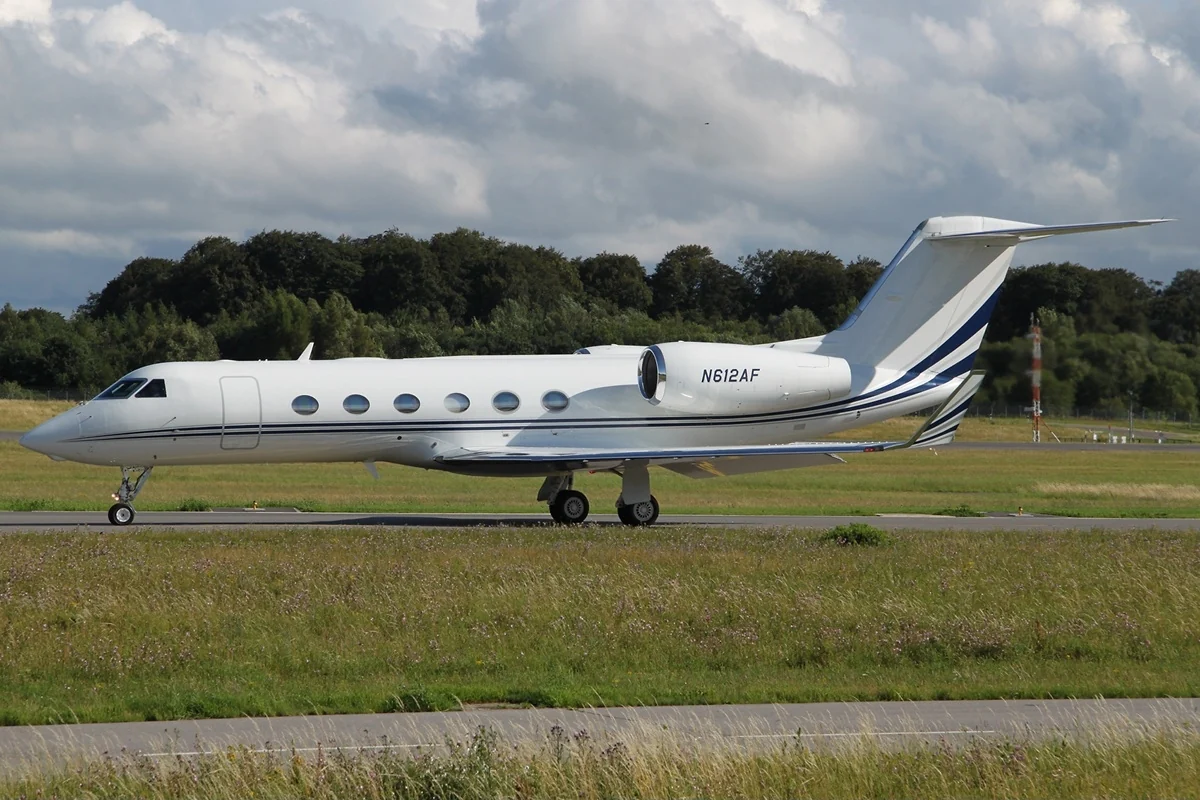
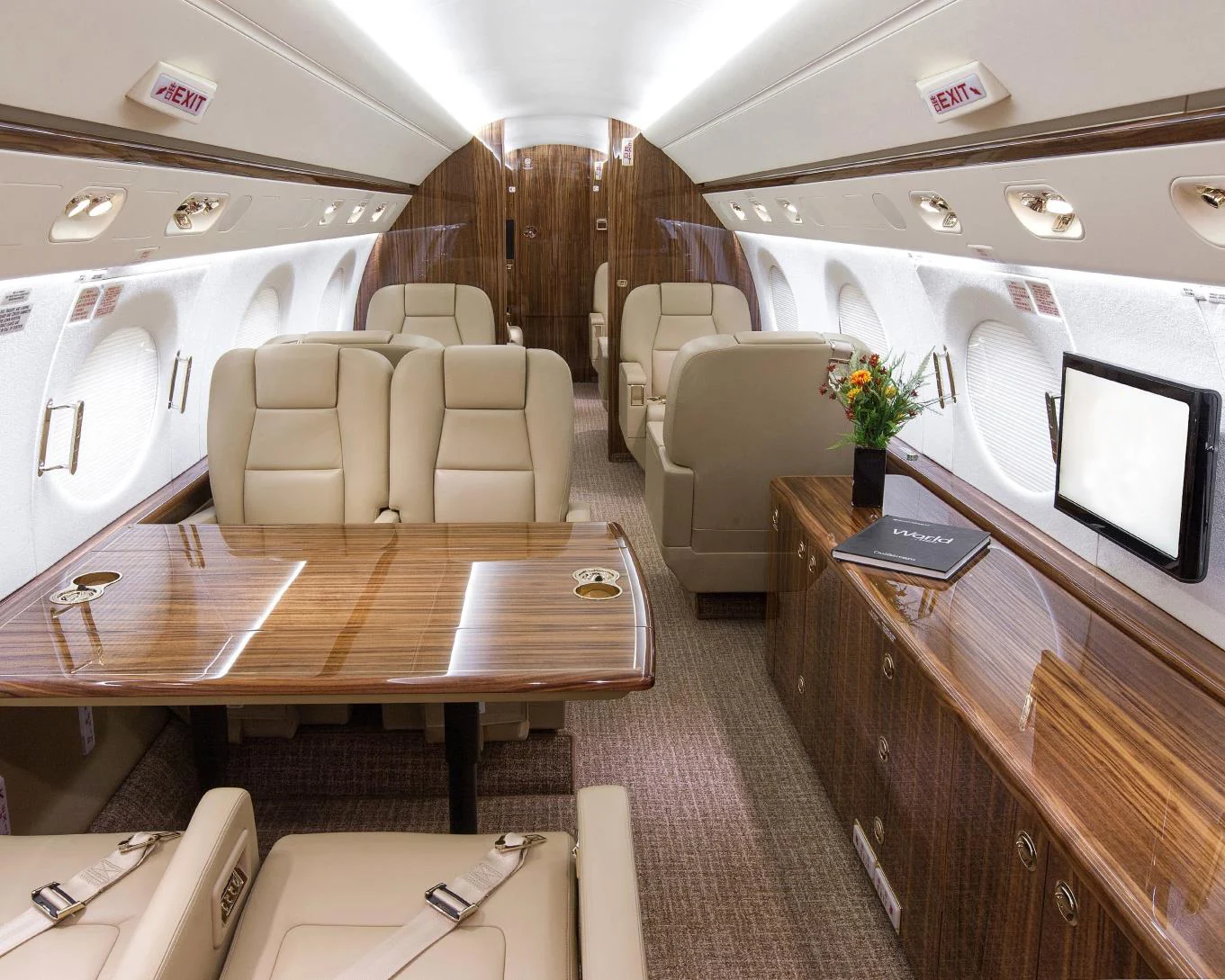
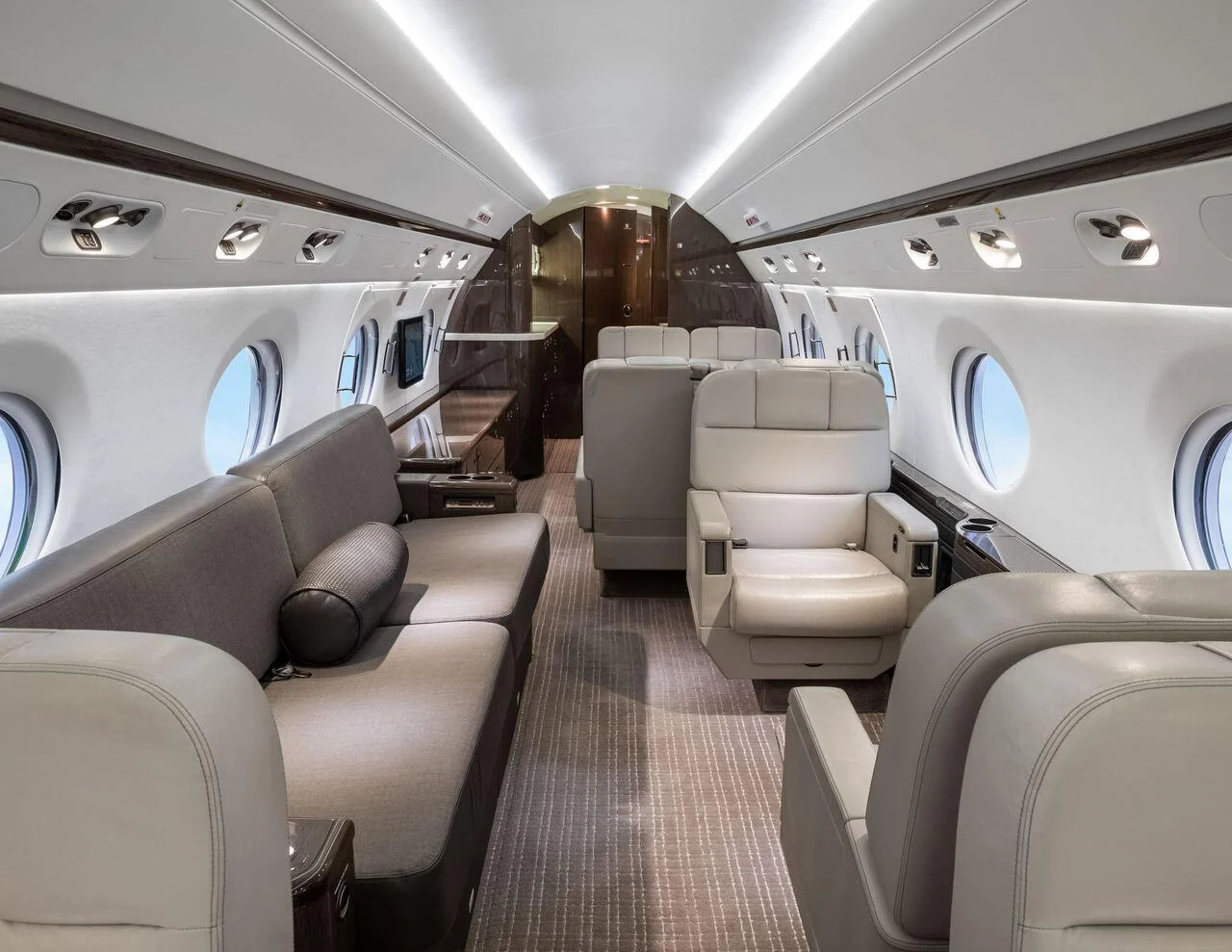
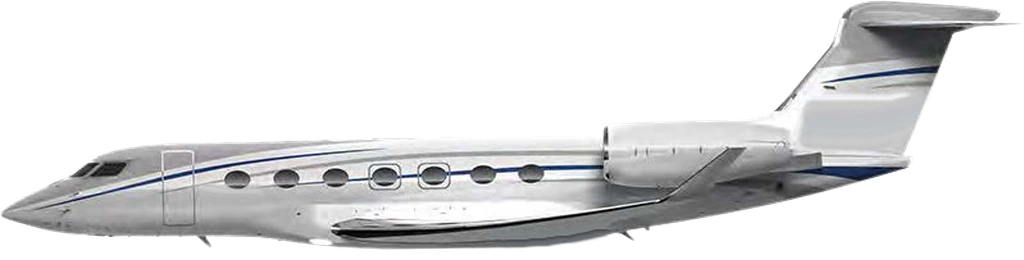
The G450 (2004–2018) is Gulfstream's ultra-large jet: fourteen to fifteen seats, a range of 8,061 km, a 904 km/h cruise and Rolls-Royce Tay 611-8C engines. Trademark oval windows, three cabin zones and low cabin pressure. One of the most numerous Gulfstreams — about 360 built — with a fleet well served worldwide. The cabin has a flight attendant and hot meal service. The baggage compartment is accessible in flight. On typical legs it covers routes such as Paris–Geneva · Vienna–Barcelona · London–New York. Send us a request — we'll prepare options, calculate running costs and analyse the best fit for your task.
How much does the Gulfstream G450 cost: purchase and running costs?
Guide figures for the Gulfstream G450: average pre-owned price — $9.5M. Running costs at 300–400 h/year — about $3.04M/year, or $7,598 per flight hour. The final figure depends on year, hours flown, engine-programme status and configuration. Send us a request — we'll prepare options, calculate running costs and analyse the best fit for your task.
What is Gulfstream known for and which models are in the range?
America's Gulfstream is a byword for the flagship business jet: half the world's long-range fleet carries the letter G. The current range: the super-midsize G280, the new G400/G500/G600, and the summit — G650ER, G700 and G800 with up to 14,800 km of range. Signature traits: an M0.90 cruise, oval windows three times the usual area and a cabin altitude equivalent to 900 m. Send us a request — we'll prepare options, calculate running costs and analyse the best fit for your task.
How reliable are Gulfstreams and how is support organised?
Gulfstream fleet dispatch reliability holds at 99.8% — behind it is business aviation's largest in-house service organisation: 4,000+ specialists, $2B of parts inventory and a 24-hour support centre able to send a mobile team anywhere in the world. The Rolls-Royce Pearl engines on the G700/G800 are serviced under the hourly-rate CorporateCare programme. Send us a request — we'll prepare options, calculate running costs and analyse the best fit for your task.
How well does Gulfstream hold value on the pre-owned market?
An industry benchmark: a five-year-old G650ER sells for $42–52M against a $70M+ list, and in short-supply years pre-owned aircraft sold above new ones given the queue. 2010s G550s steadily hold $14–18M. Liquidity comes from global demand: a third of buyers are in the US, a third in the Middle East and Asia, so a seller does not depend on one region. Send us a request — we'll prepare options, calculate running costs and analyse the best fit for your task.
Which Gulfstream should you choose for a specific task?
For 3–5-hour routes and regional flights, the G280: 6,660 km, 10 seats, the most economical in the family. The G500/G600 cover 9,600–12,000 km — London or Geneva to Singapore nonstop. The G650ER and G700 are intercontinental classics: 13,900–14,350 km, a 19-seat cabin with a bedroom and shower; the G800 adds range to 14,800 km. Send us a request — we'll prepare options, calculate running costs and analyse the best fit for your task.
What routes and tasks suit ultra-large jets?
A class for those who need a maximum cabin without long-range prices: 8–10-hour flights like London–Dubai, Paris–Delhi, Dubai–Singapore. Three cabin zones allow a meeting, a meal and sleep at once. Typical tasks — carrying delegations, family travel in large groups, and government and corporate flights with 10–14 passengers. Send us a request — we'll prepare options, calculate running costs and analyse the best fit for your task.
What range and how many passengers do ultra-large jets have?
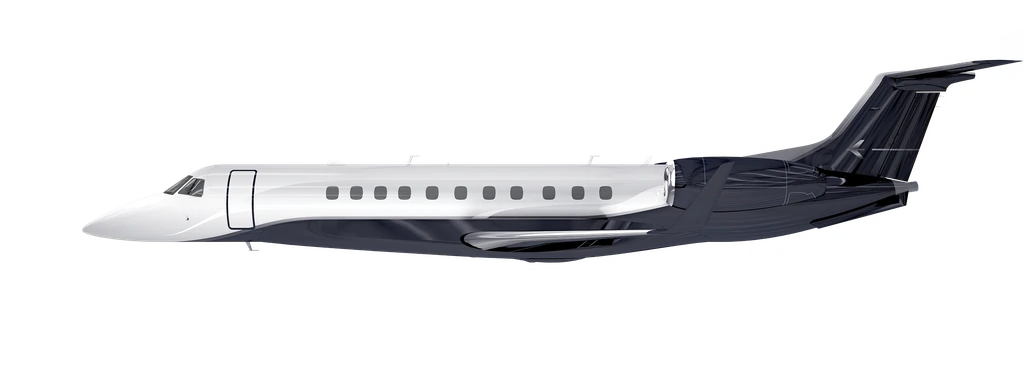
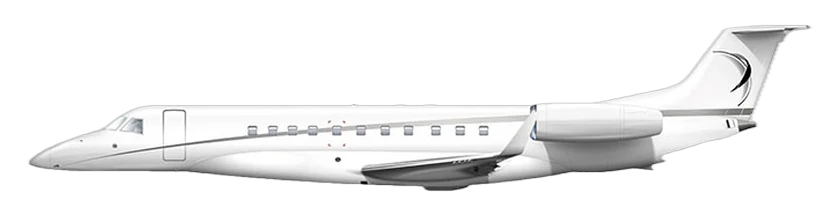
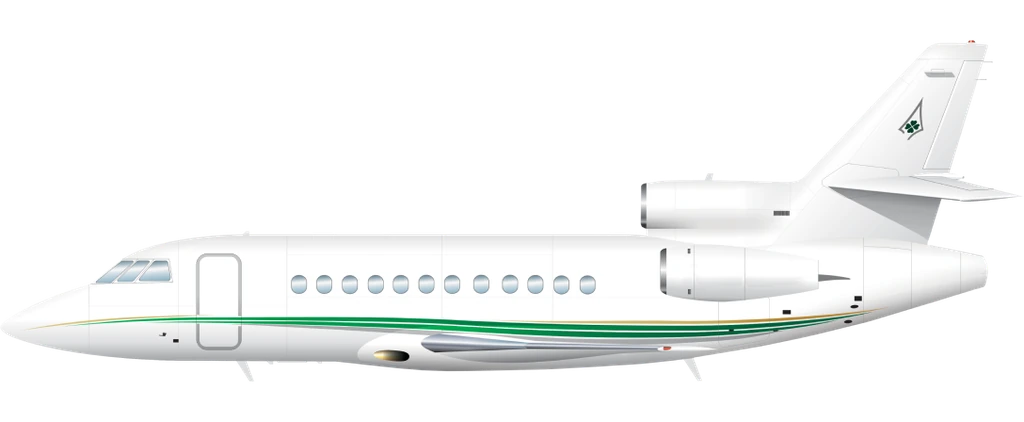
Capacity is 10–16 seats: the Legacy 600/650 take 13–14 passengers, the Challenger 850 up to 14–16. Range: Challenger 850 5,200 km, Legacy 600 6,000 km, Legacy 650 7,200 km, Gulfstream G450 8,060 km, the tri-jet Falcon 900LX 8,800 km. The Legacy's holds of up to 6.8 m³ are the most capacious in the segment short of long-range jets. Send us a request — we'll prepare options, calculate running costs and analyse the best fit for your task.
How does a ultra-large jet differ from neighbouring classes?
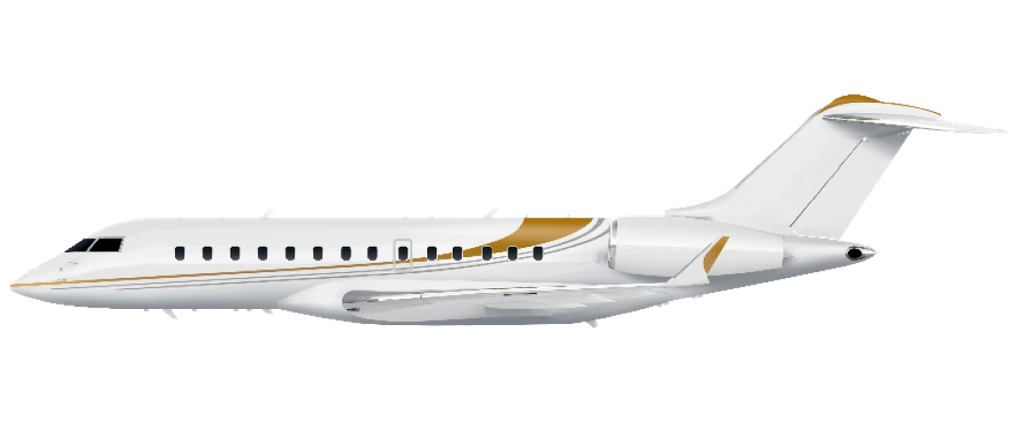
To the large class it adds a third cabin zone and up to 16 seats — but a notable part of the segment (Legacy, Challenger 850) is built on regional airliners, so the aircraft are heavier and climb more slowly. The long-range class (Global, Gulfstream G550+) gives 9,600–14,800 km and fresh airframes, but costs twice as much to buy. Here you get the maximum cabin for sensible money. Send us a request — we'll prepare options, calculate running costs and analyse the best fit for your task.
Which ultra-large jets are in the fleet and how do they differ?
Five models: the Bombardier Challenger 850 — 14–16 seats, airliner cabin width; the Embraer Legacy 600 and 650 — three zones, a huge 6.8 m³ hold and the best price for capacity; the Gulfstream G450 — the fastest in the set with 8,060 km; and the Dassault Falcon 900LX — a tri-jet with 8,800 km and clearance for demanding short strips. Send us a request — we'll prepare options, calculate running costs and analyse the best fit for your task.
How do you choose an aircraft to buy for your needs?
Start from two numbers: the length of your typical route and the number of passengers. Up to 1,000 km and 4 people — a turboprop or light jet; 2,000–4,000 km — a midsize jet; nonstop intercontinental — a long-range jet. Then adjust for short runways, baggage volume and sleeping berths. We'll match a model to your profile and calculate the ownership economics. Send us a request — we'll prepare options, calculate running costs and analyse the best fit for your task.
New aircraft or pre-owned — which is the better buy?
A new aircraft means a factory warranty and a 1–3-year queue, but the price is at its peak. A pre-owned aircraft means immediate delivery and a price 30–60% lower, while engine time and history matter. For most buyers a fresh 3–7-year-old aircraft is optimal: the main depreciation has happened and plenty of life remains. We cost both options. Send us a request — we'll prepare options, calculate running costs and analyse the best fit for your task.