












Frequently asked questions
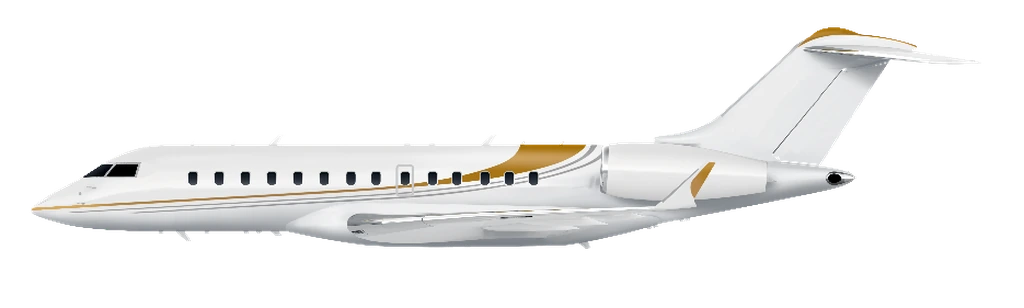
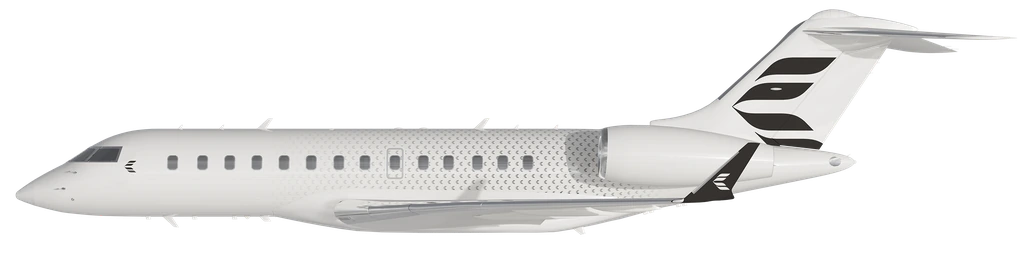
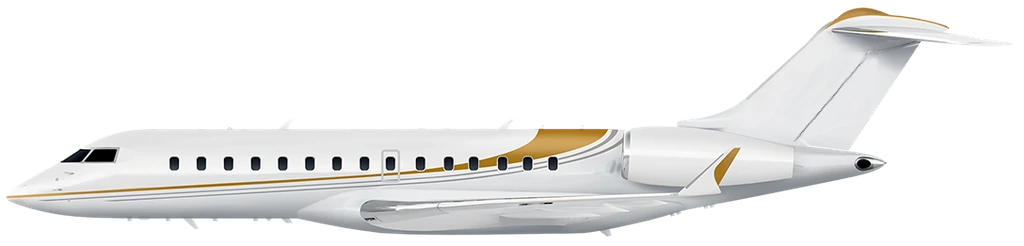
Global 6500: what kind of aircraft is it and what to consider when buying?
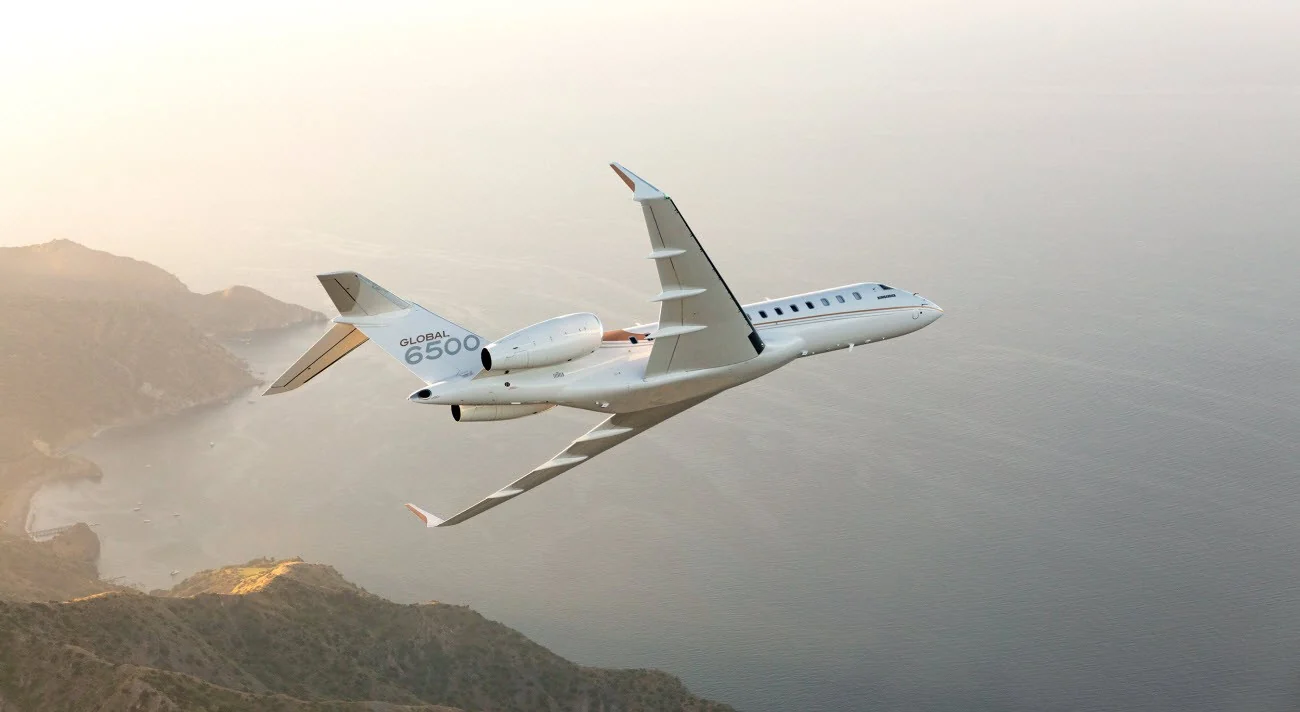
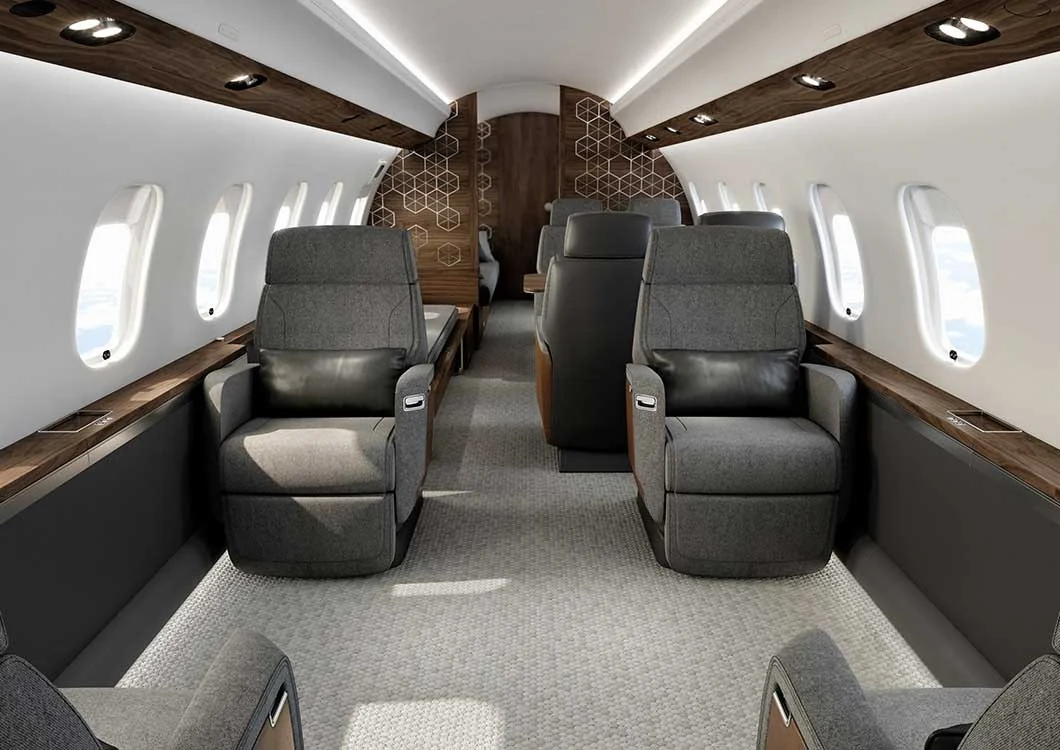
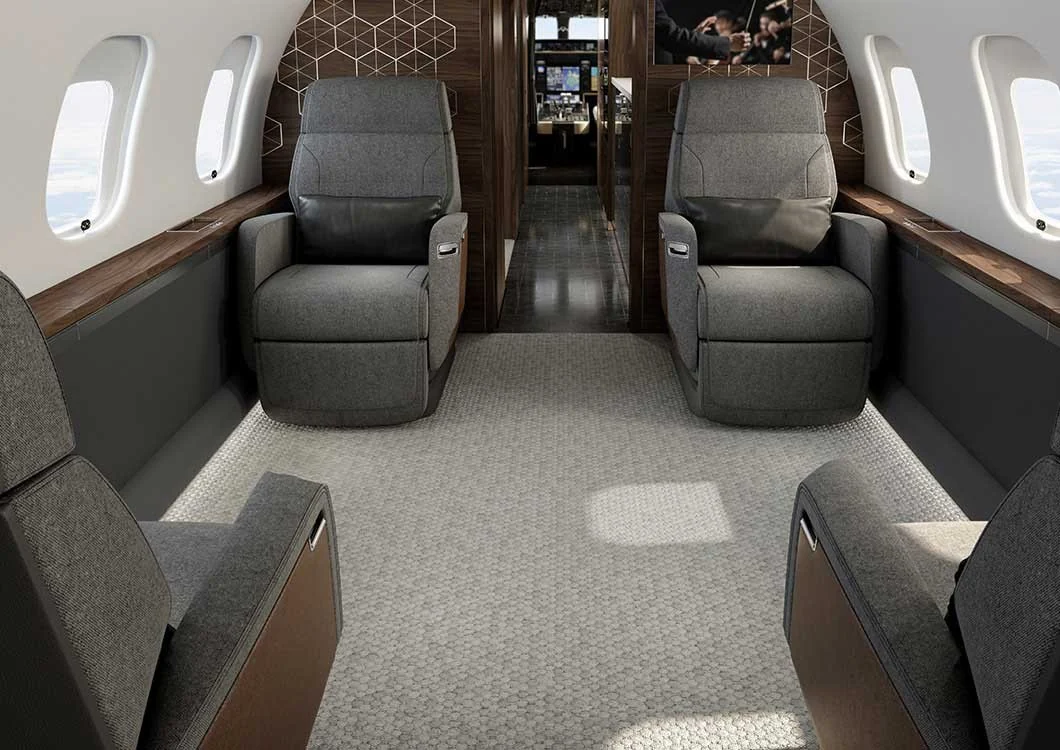
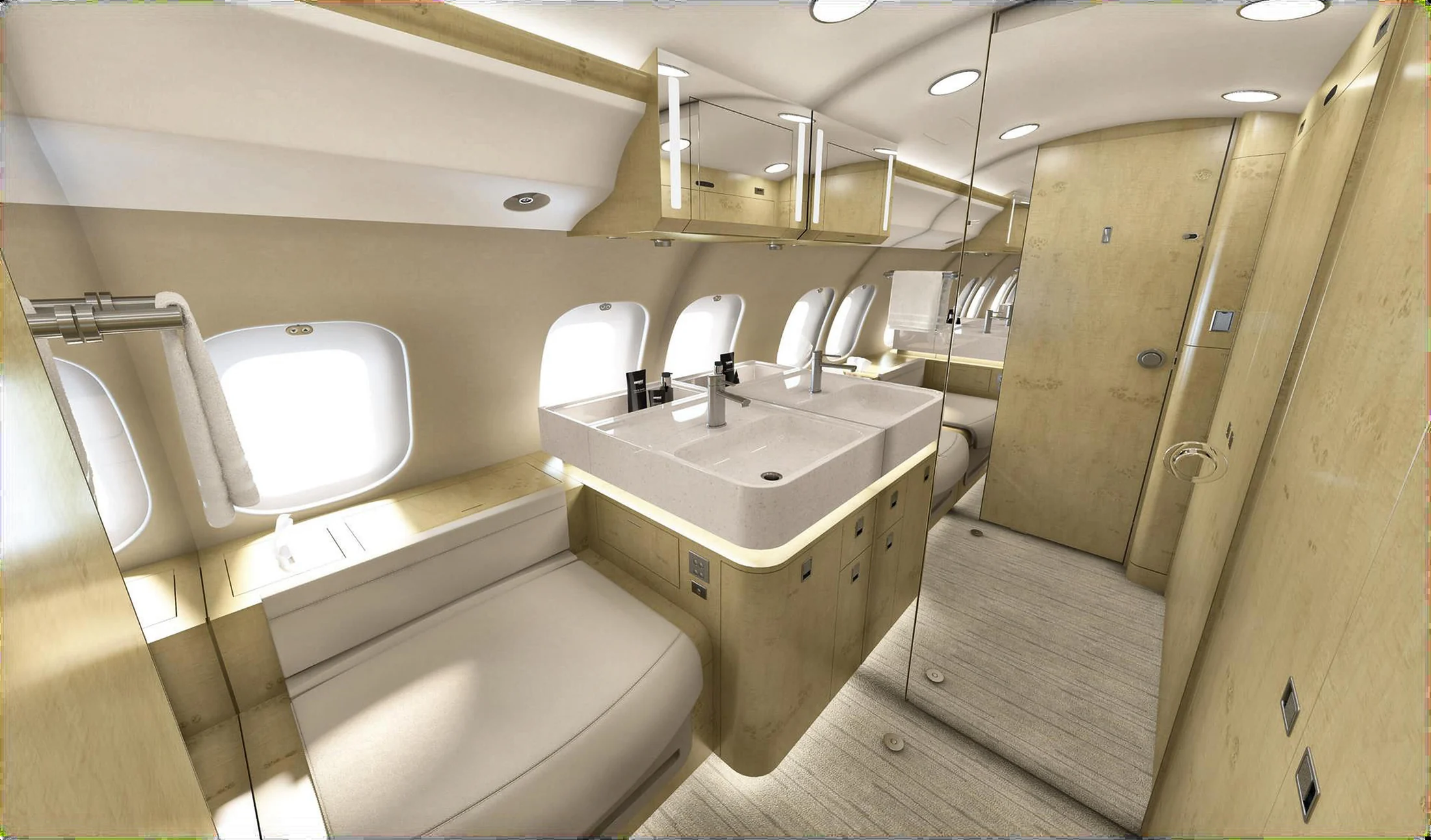
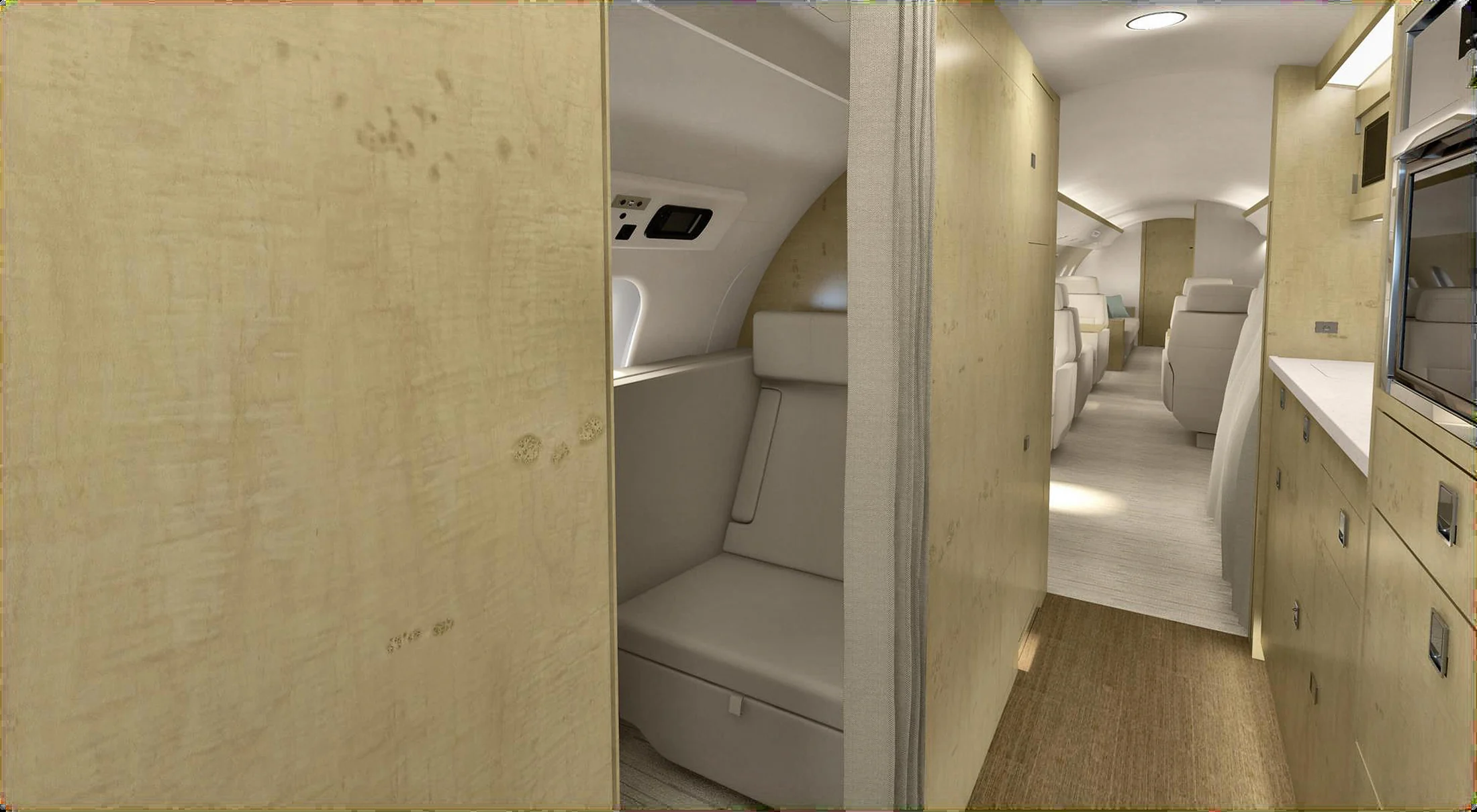
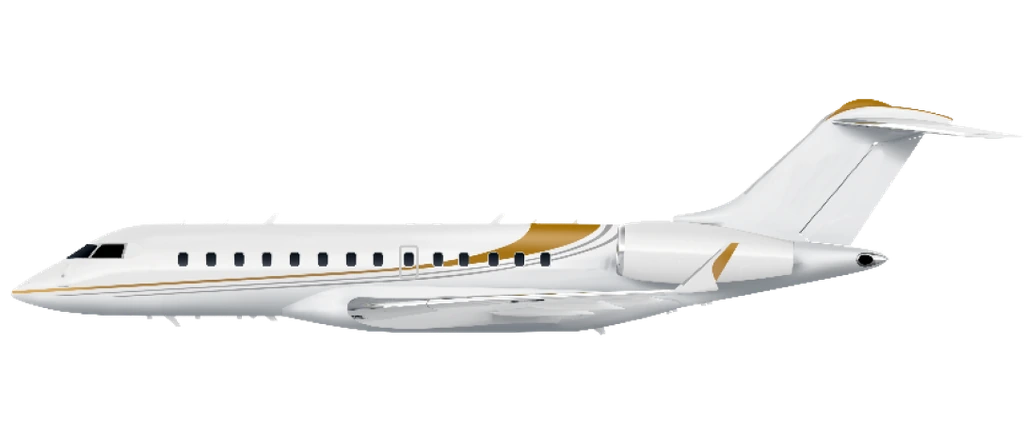
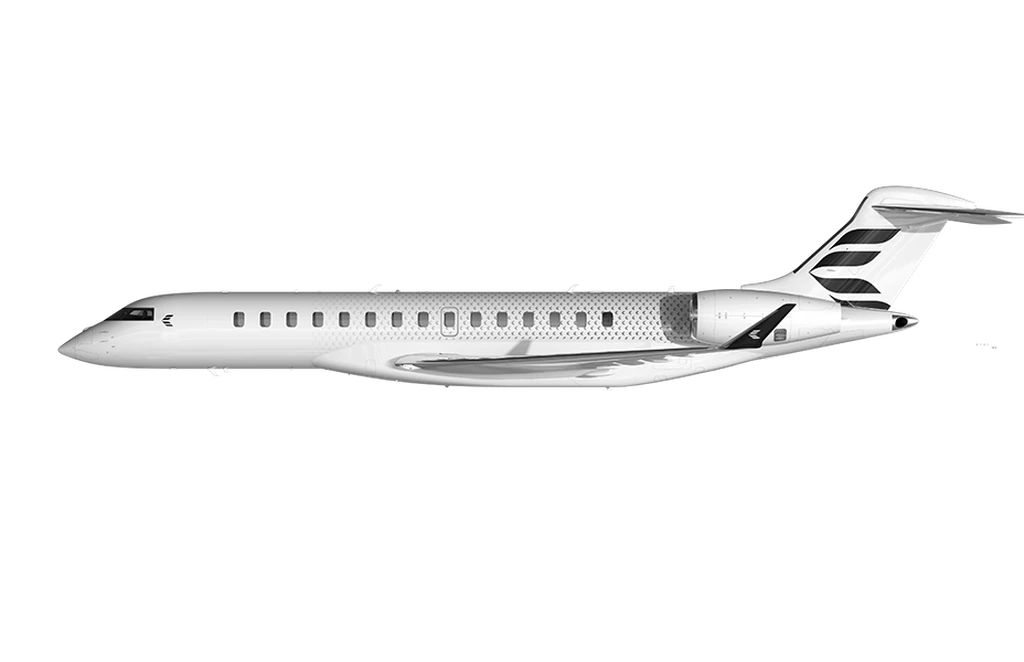
The 6500 (from 2019) is an upgrade of the 6000 with Pearl 15 engines: range grew to 12,223 km, fuel burn fell 13%, and the cabin gains Nuage seats and the latest connectivity. Twelve to seventeen seats, a cruise up to M0.90. London–Los Angeles or Dubai–Tokyo nonstop. The current generation at a price below the flagship 7500. The cabin has a flight attendant and hot meal service. The baggage compartment is accessible in flight. On typical legs it covers routes such as Paris–Nice · Vienna–Istanbul · Geneva–New York. Send us a request — we'll prepare options, calculate running costs and analyse the best fit for your task.
How much does the Global 6500 cost: purchase and running costs?
Guide figures for the Global 6500: average pre-owned price — $40M; new — $58M. Running costs at 300–400 h/year — about $3.82M/year, or $9,553 per flight hour. The final figure depends on year, hours flown, engine-programme status and configuration. Send us a request — we'll prepare options, calculate running costs and analyse the best fit for your task.
What is Bombardier known for and which families does it build?
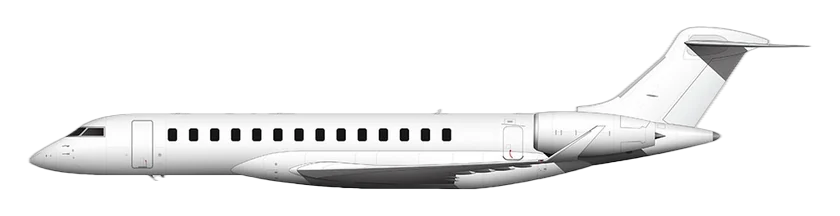
Canada's Bombardier is one of the 'big three' business-jet makers. Two current families: Challenger (the 3500 in super-midsize, the 650 in large) and the flagship Global 5500/6500/7500/8000 line with up to 14,800 km of range. Signature traits are wide cabins (the Challenger 3500 has the widest in class, 2.19 m) and the Smooth Flĕx wing on the Global 7500. Send us a request — we'll prepare options, calculate running costs and analyse the best fit for your task.
How reliable are the Challenger and Global and what about service?
The Challenger 604/605/650 is one of the most numerous large jets: over 1,100 built, with fleet dispatch reliability above 99.7%. Bombardier is actively expanding its own service network — major centres in London, Paris, Singapore and Dubai cover the CIS and Central Asia. The GE CF34 engines on the Challenger are serviced under the fixed-rate OnPoint programme. Send us a request — we'll prepare options, calculate running costs and analyse the best fit for your task.
How well does Bombardier hold value on the pre-owned market?
The Challenger 650 is the liquidity champion in the large class: five-year-old aircraft sell for $22–26M against a $33M list, with exposure rarely over 90 days. The Global 7500, with a waiting list for new jets, sells pre-owned at almost no discount — $60–70M. Early Global Express XRS hold value less well ($10–15M), where costly maintenance checks await the buyer. Send us a request — we'll prepare options, calculate running costs and analyse the best fit for your task.
Which Bombardier should you choose for a specific task?
For 3–5-hour routes (Geneva–Istanbul, London–Dubai) the Challenger 3500 is optimal — 10 seats and 6,300 km. The Challenger 650 adds space and takes 12 passengers over 7,400 km. Intercontinental tasks are Global territory: the 6500 covers 12,200 km, and the 7500 links Europe with North America nonstop — 14,260 km with a four-zone cabin. Send us a request — we'll prepare options, calculate running costs and analyse the best fit for your task.
What routes and tasks suit long-range jets?
This is the class of nonstop intercontinental flights: London–Los Angeles, Geneva–New York, Dubai–Sydney with one stop. A range of 9,600–14,800 km saves 3–5 hours per connection and removes dependence on intermediate countries. Cabins of three or four zones with a bedroom, shower and office turn a 12-hour flight into a full working day or a night's sleep. Send us a request — we'll prepare options, calculate running costs and analyse the best fit for your task.
What range and how many passengers do long-range jets have?
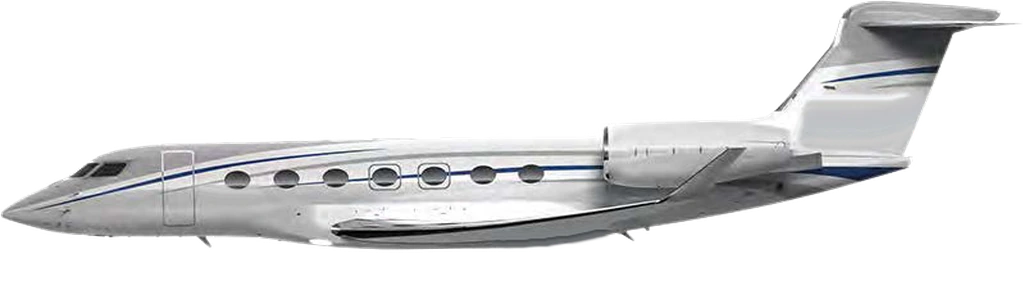
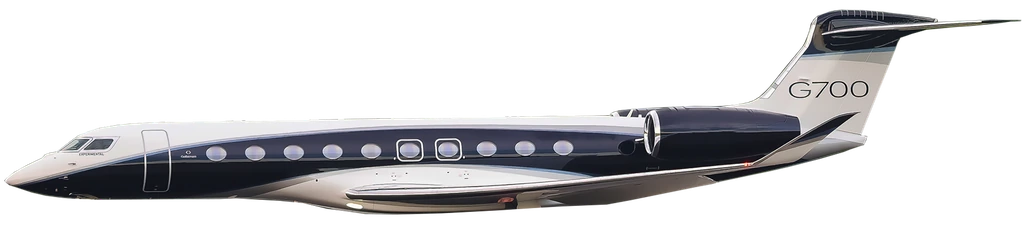
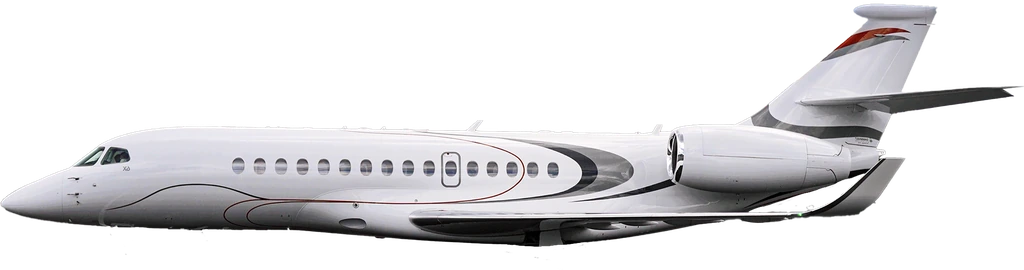
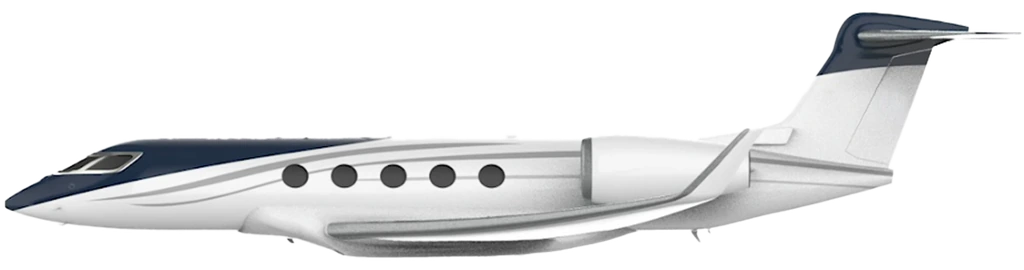
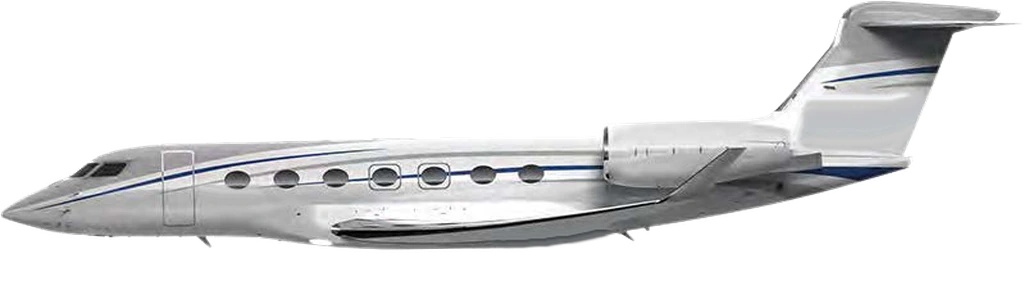
Capacity is 12–19 passengers with sleeping berths for 6–10. Range: Global 5500 10,600 km, G550 12,500 km, Falcon 8X 11,950 km, G650ER 13,890 km, Global 7500 14,260 km, G700 14,350 km, Global 8000 14,800 km. Cruise M0.85–0.925; the Global 8000 reaches M0.94 — faster than any production civil aircraft. Send us a request — we'll prepare options, calculate running costs and analyse the best fit for your task.
How does a long-range jet differ from neighbouring classes?
From the ultra-large class it is set apart by 3,000–6,000 km more range and modern airframes with low cabin altitude (equivalent to 900–1,200 m at cruise). ACJ/BBJ business liners give two or three times the floor area, but need long runways, cost more to maintain and are slower. The formula: regular nonstop 10+ hours for a small group — this class; a 20+-person residence cabin — a liner. Send us a request — we'll prepare options, calculate running costs and analyse the best fit for your task.
Which long-range jets are in the fleet and how do they differ?
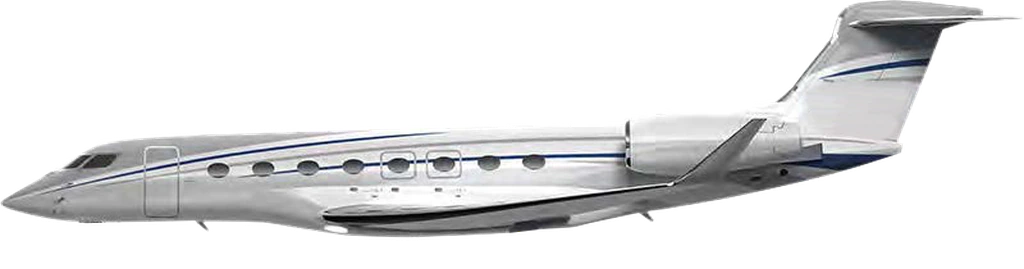
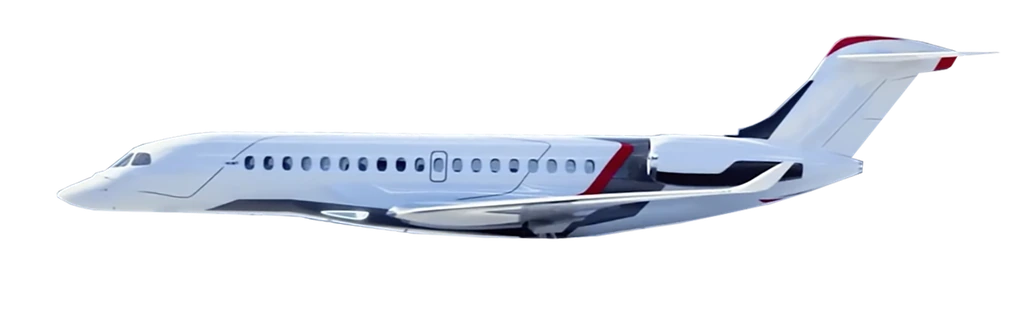
Seventeen models — the fleet's largest section. The Bombardier Global line from the 5000 to the flagship 7500/8000 (14,260–14,800 km, four zones); Gulfstream from the G400 to the G800 — trademark oval windows, M0.90 and benchmark liquidity; the tri-jet Dassault Falcon 6X/8X/10X — economy and short strips. Selection comes down to budget, route map and cabin preferences. Send us a request — we'll prepare options, calculate running costs and analyse the best fit for your task.
How do you choose an aircraft to buy for your needs?
Start from two numbers: the length of your typical route and the number of passengers. Up to 1,000 km and 4 people — a turboprop or light jet; 2,000–4,000 km — a midsize jet; nonstop intercontinental — a long-range jet. Then adjust for short runways, baggage volume and sleeping berths. We'll match a model to your profile and calculate the ownership economics. Send us a request — we'll prepare options, calculate running costs and analyse the best fit for your task.
New aircraft or pre-owned — which is the better buy?
A new aircraft means a factory warranty and a 1–3-year queue, but the price is at its peak. A pre-owned aircraft means immediate delivery and a price 30–60% lower, while engine time and history matter. For most buyers a fresh 3–7-year-old aircraft is optimal: the main depreciation has happened and plenty of life remains. We cost both options. Send us a request — we'll prepare options, calculate running costs and analyse the best fit for your task.