









Frequently asked questions
Gulfstream G280: what kind of aircraft is it and what to consider when buying?
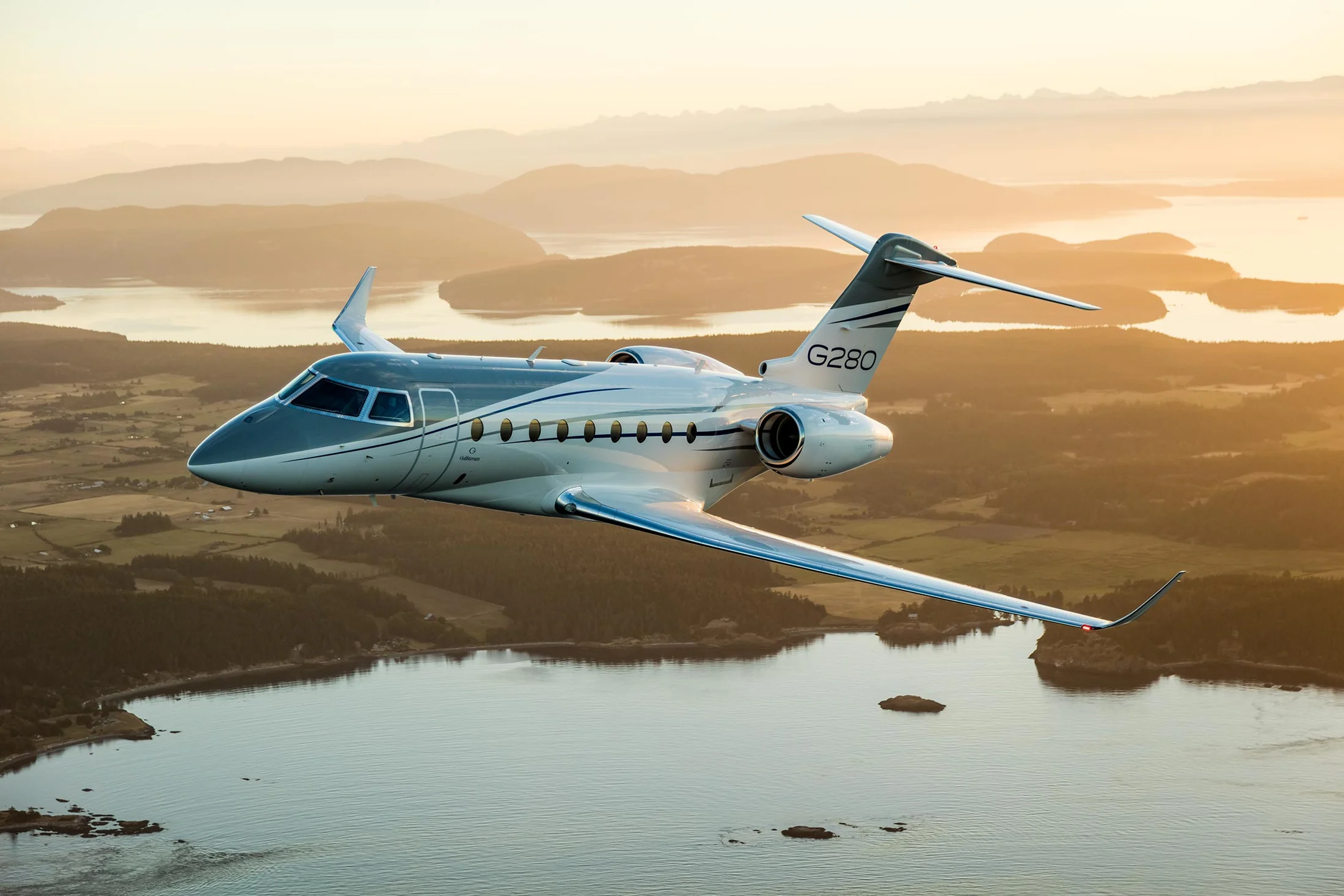
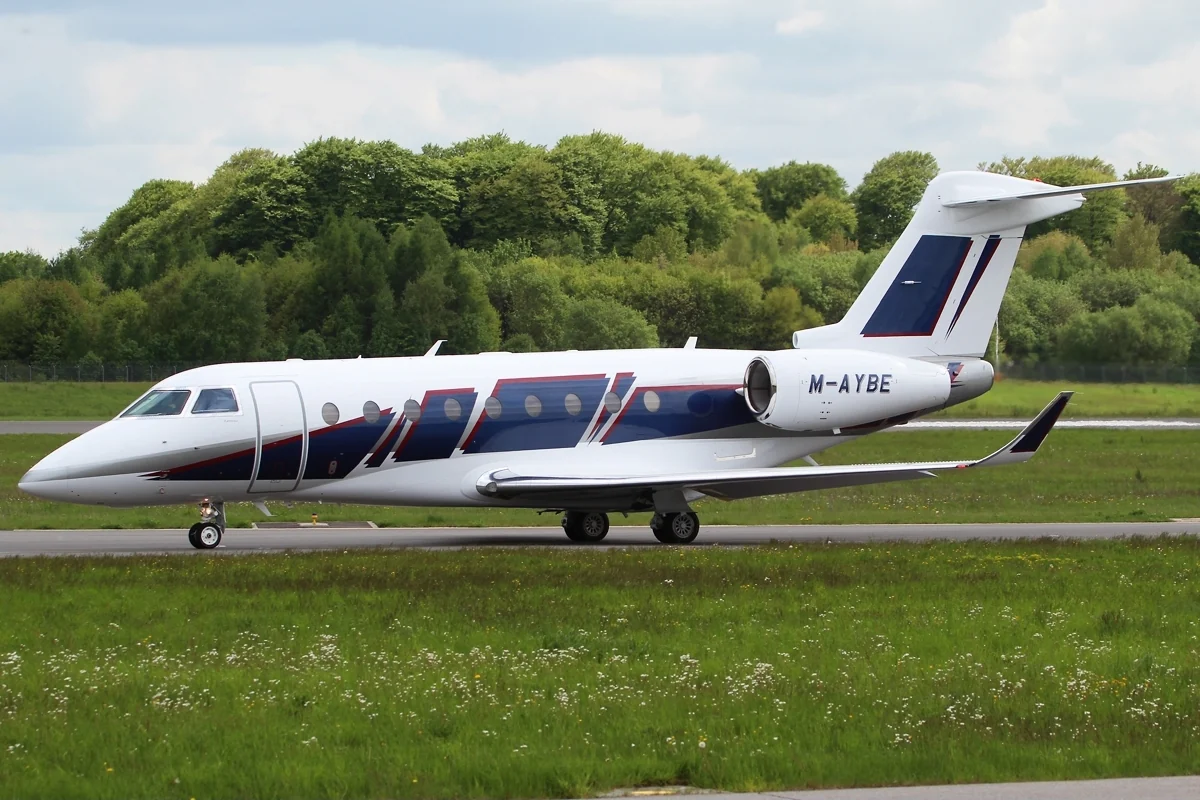
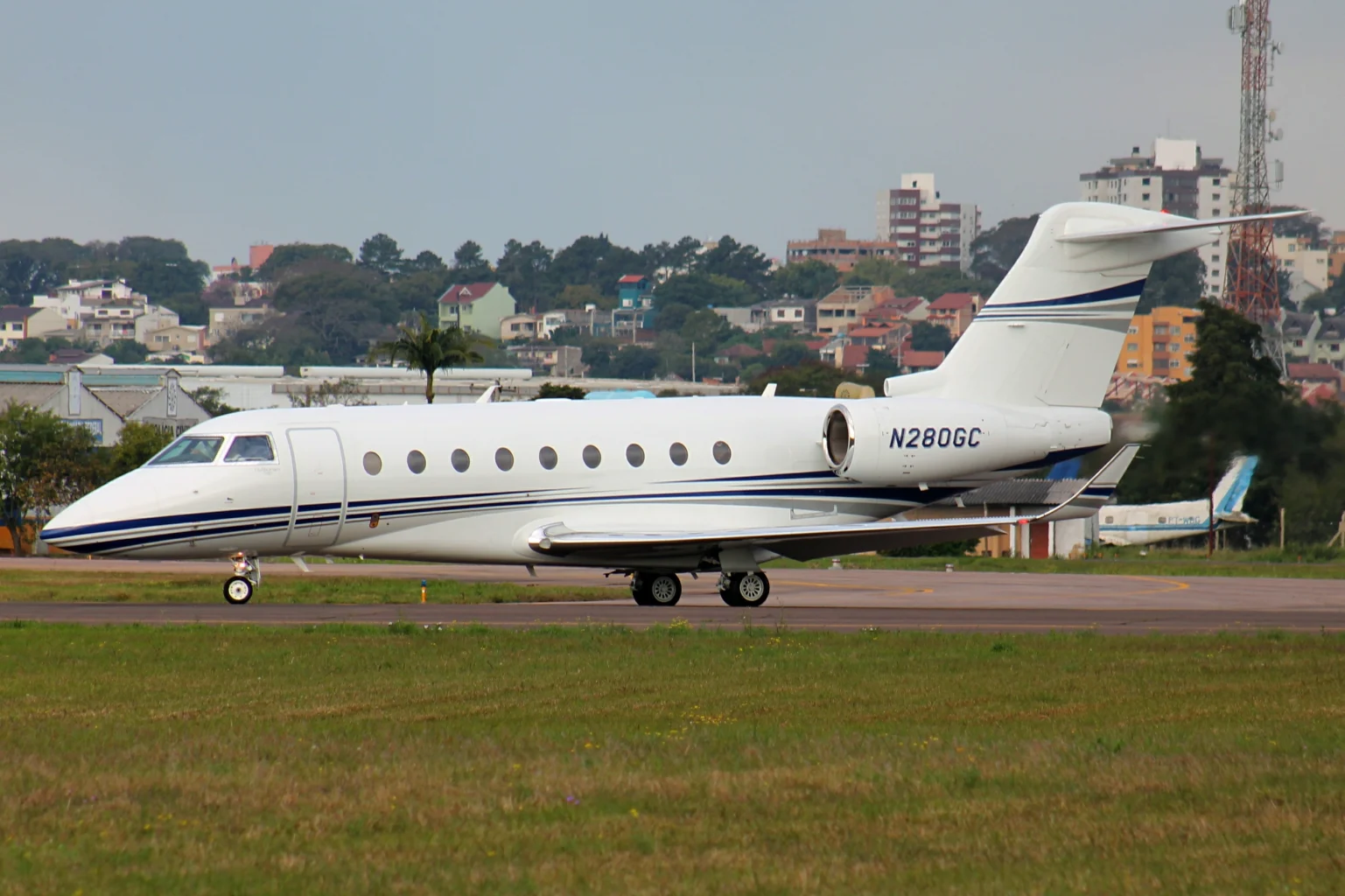
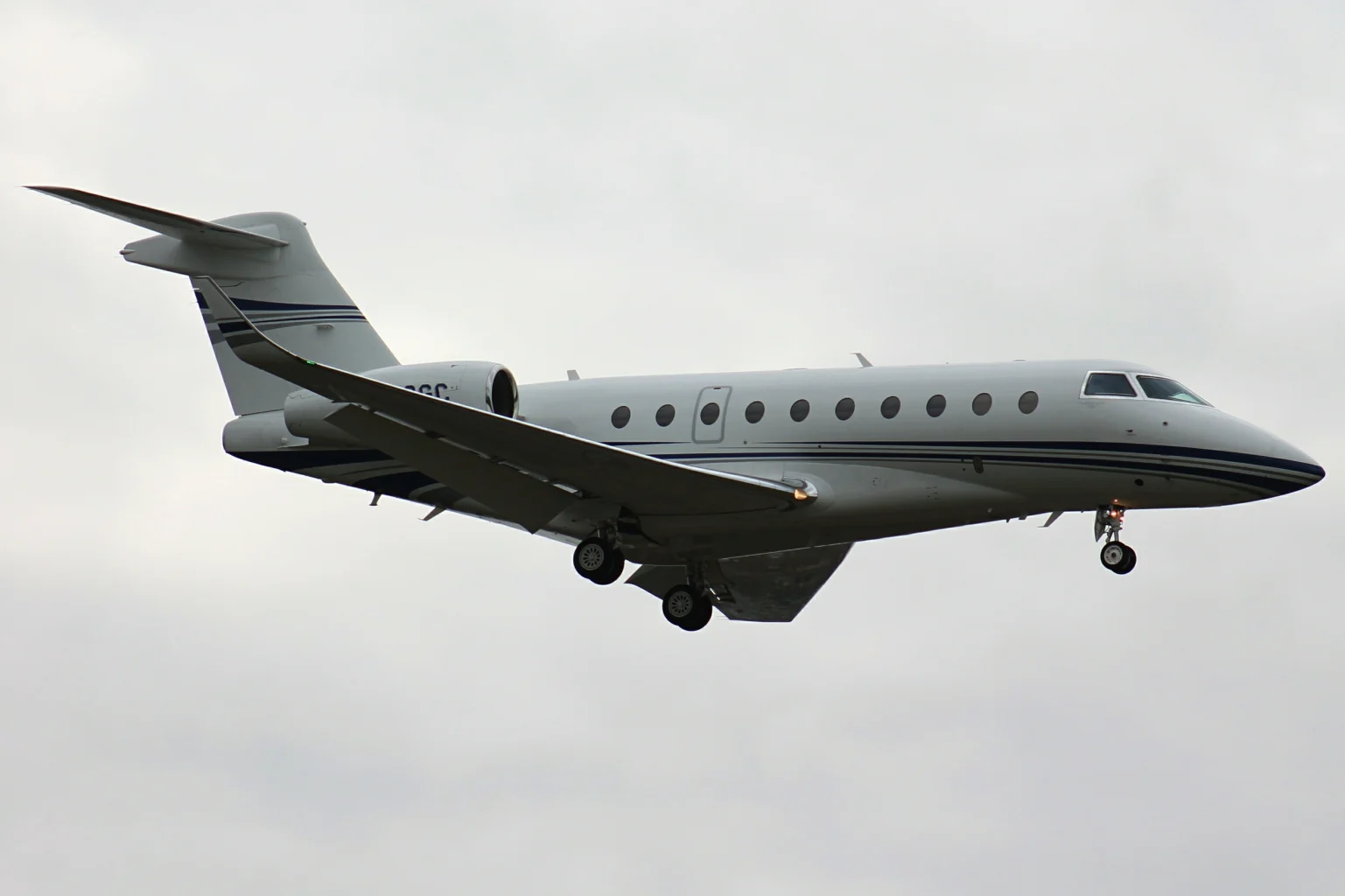
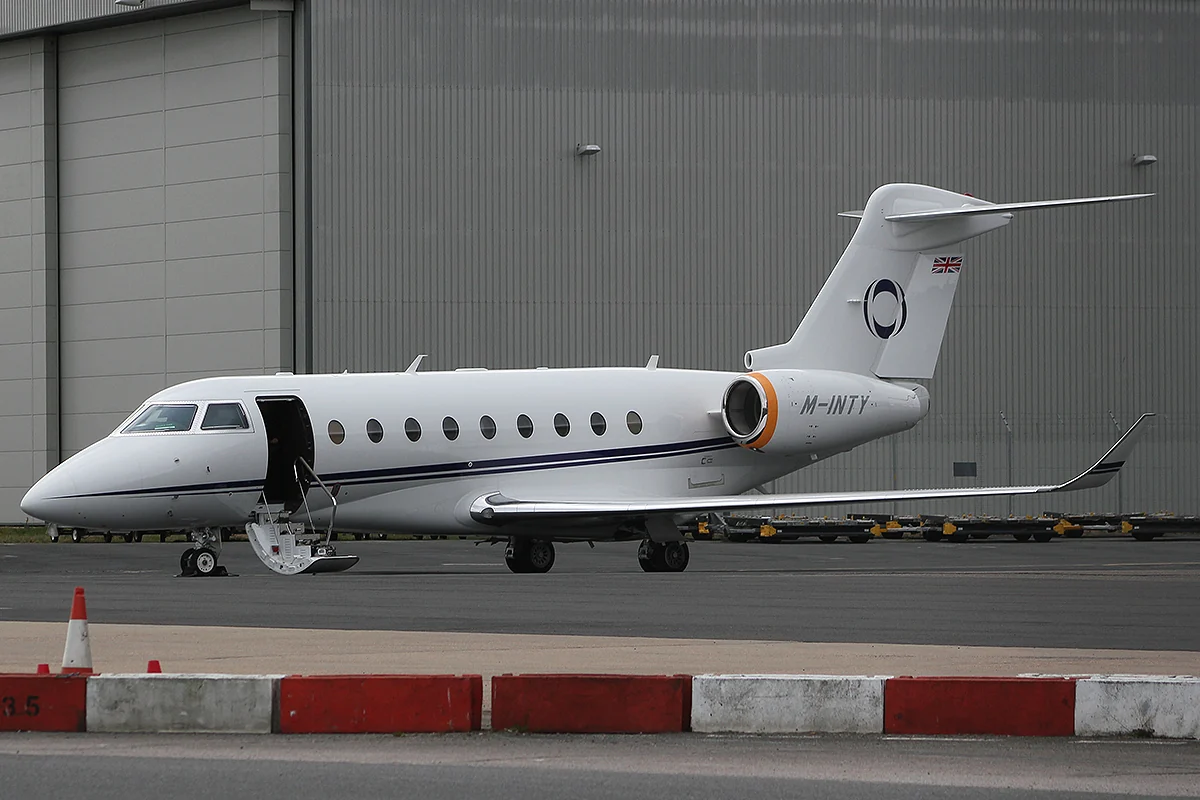
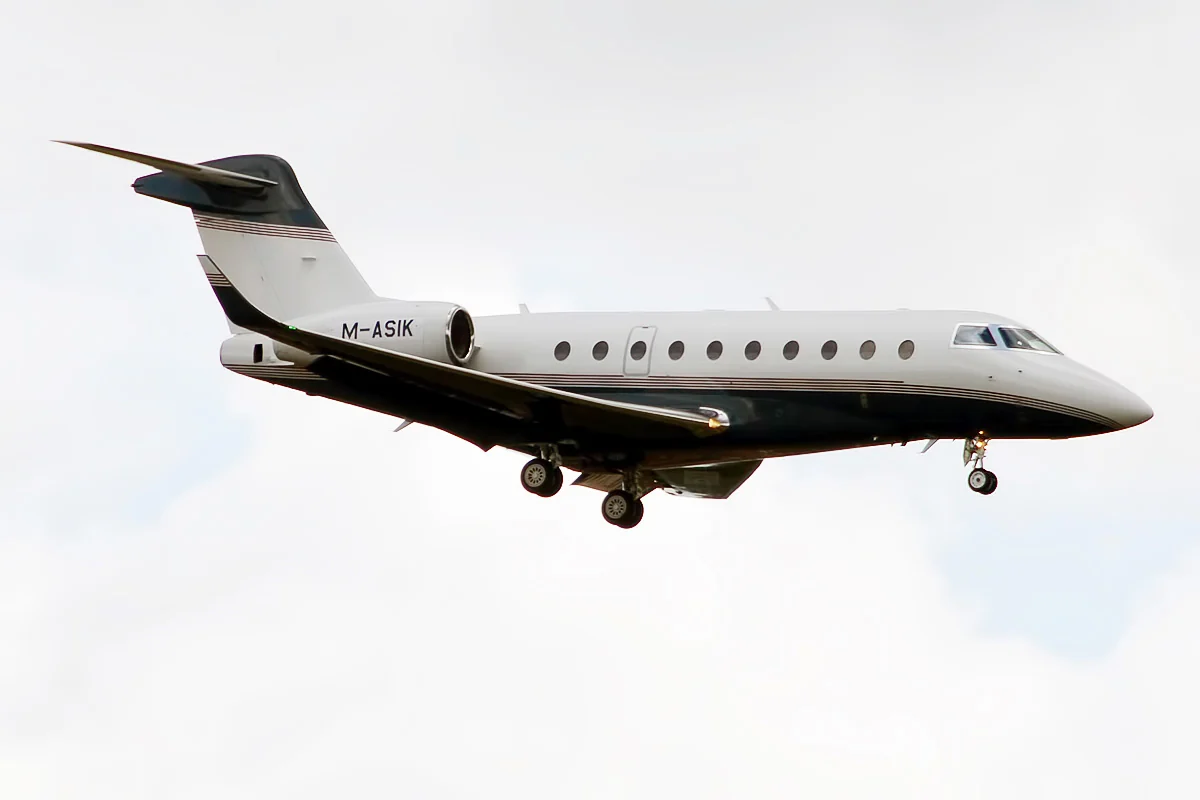
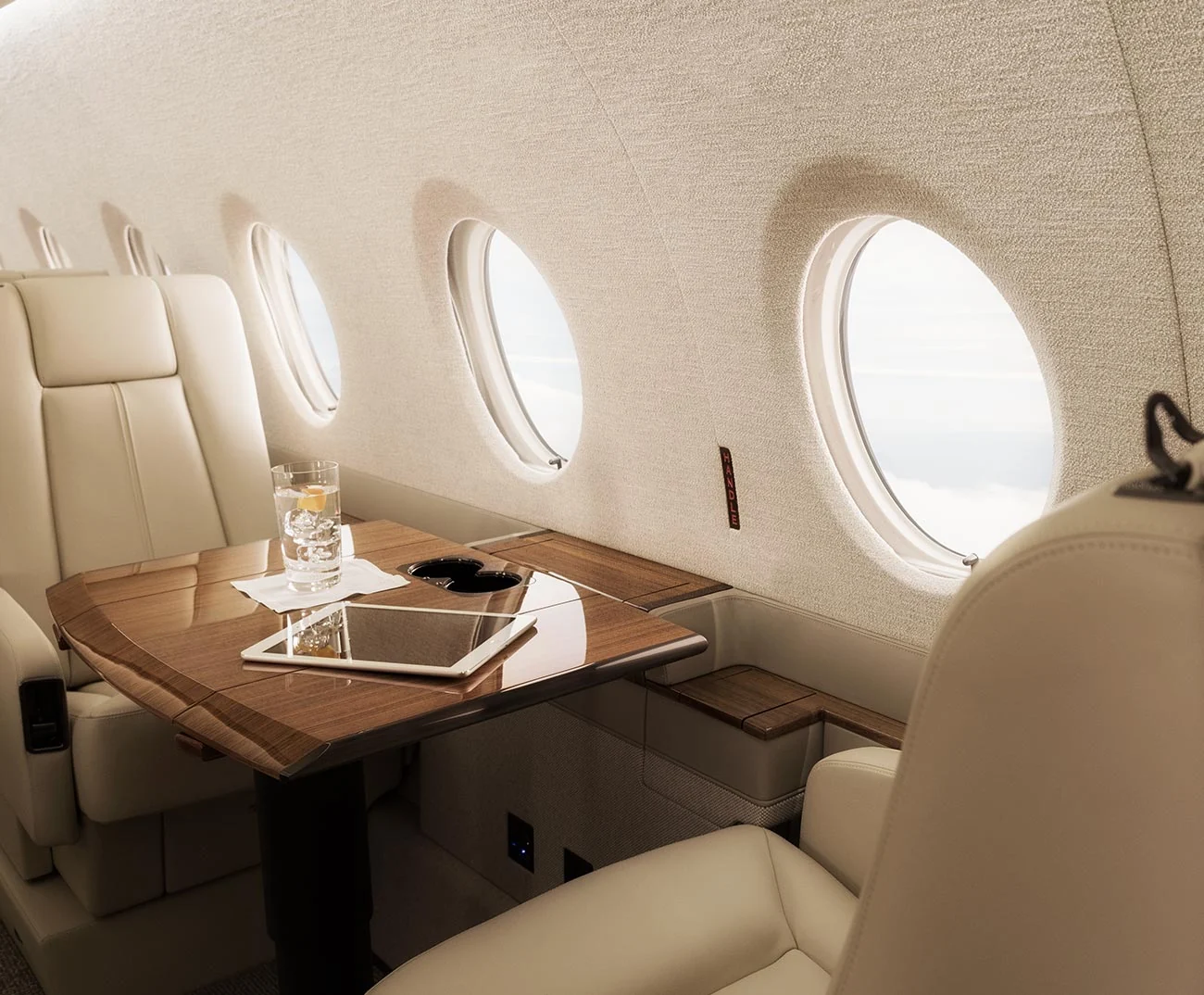
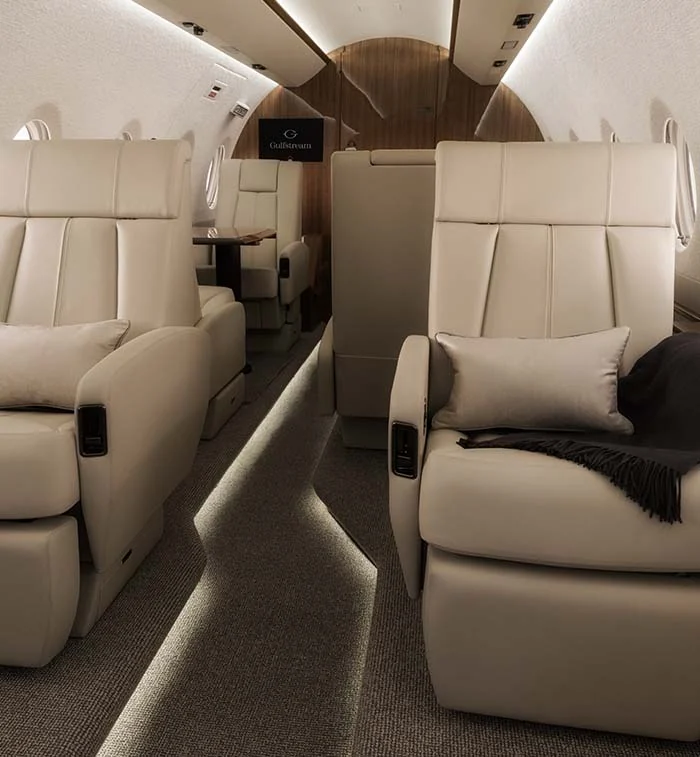
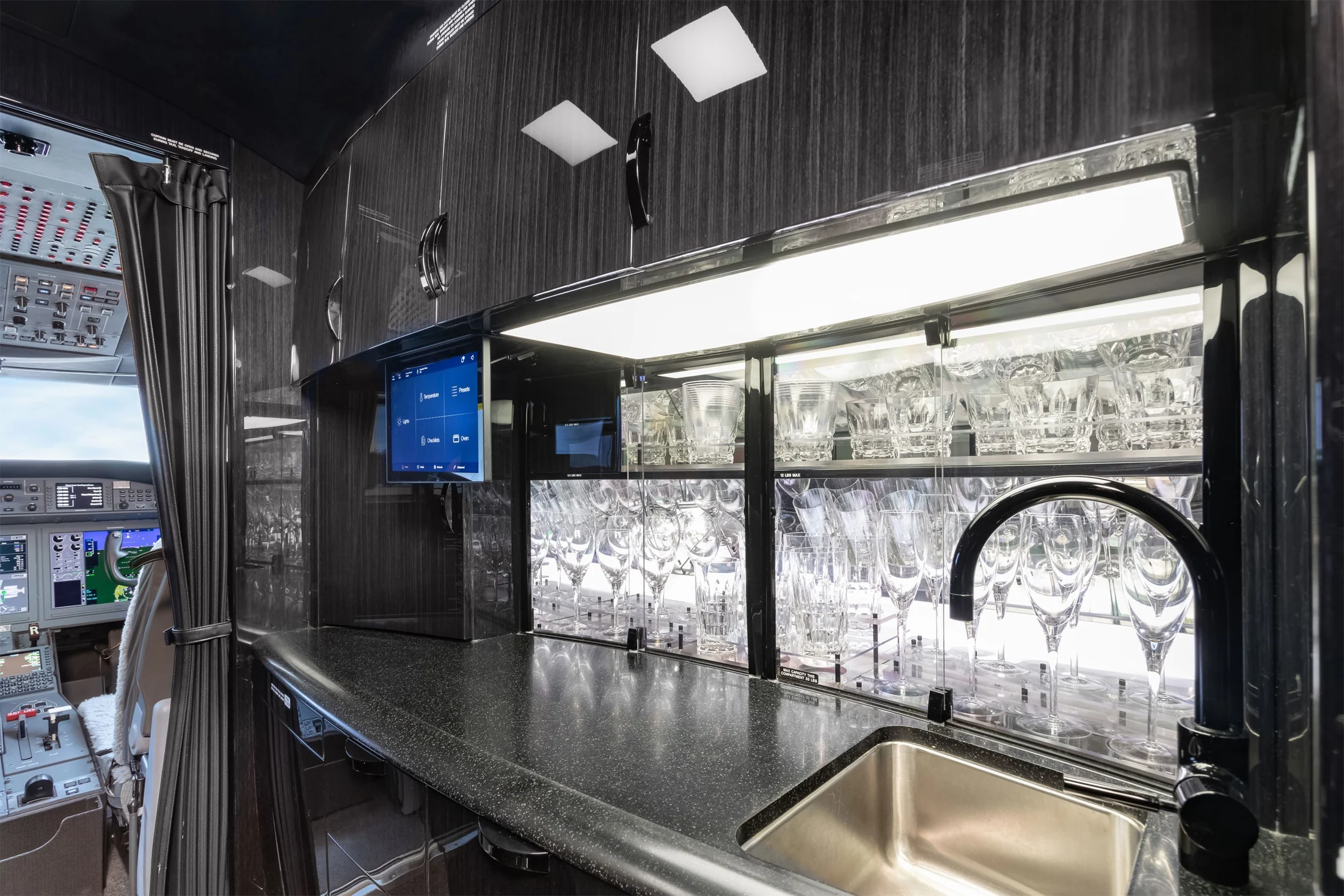
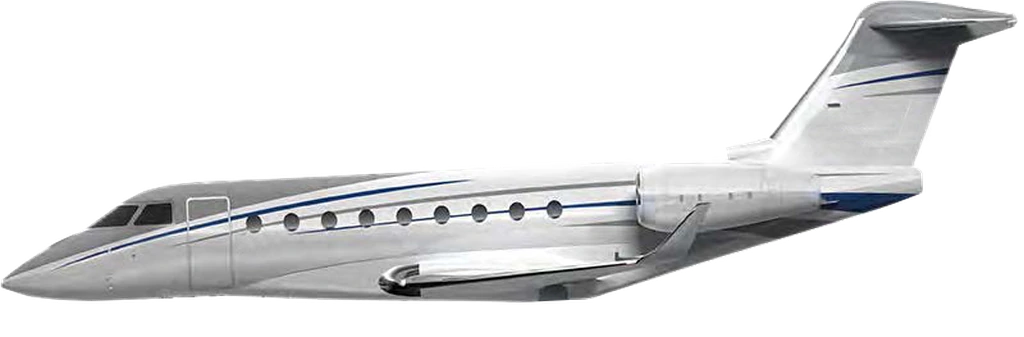
The G280 is Gulfstream's super-midsize jet, built since 2012. Eight to ten seats, a range of 6,667 km — best in class alongside the Praetor 600 — an 850 km/h cruise and Honeywell HTF7250G engines. Trademark large windows, a low cabin altitude and Gulfstream's famed build quality. London City is certified — a short runway is no problem. The cabin has a flight attendant and hot meal service. The baggage compartment is accessible in flight. On typical legs it covers routes such as Vienna–Milan · London–Ibiza · Vienna–Dubai. Send us a request — we'll prepare options, calculate running costs and analyse the best fit for your task.
How much does the Gulfstream G280 cost: purchase and running costs?
Guide figures for the Gulfstream G280: average pre-owned price — $13.8M. Running costs at 300–400 h/year — about $2.71M/year, or $6,765 per flight hour. The final figure depends on year, hours flown, engine-programme status and configuration. Send us a request — we'll prepare options, calculate running costs and analyse the best fit for your task.
What is Gulfstream known for and which models are in the range?
America's Gulfstream is a byword for the flagship business jet: half the world's long-range fleet carries the letter G. The current range: the super-midsize G280, the new G400/G500/G600, and the summit — G650ER, G700 and G800 with up to 14,800 km of range. Signature traits: an M0.90 cruise, oval windows three times the usual area and a cabin altitude equivalent to 900 m. Send us a request — we'll prepare options, calculate running costs and analyse the best fit for your task.
How reliable are Gulfstreams and how is support organised?
Gulfstream fleet dispatch reliability holds at 99.8% — behind it is business aviation's largest in-house service organisation: 4,000+ specialists, $2B of parts inventory and a 24-hour support centre able to send a mobile team anywhere in the world. The Rolls-Royce Pearl engines on the G700/G800 are serviced under the hourly-rate CorporateCare programme. Send us a request — we'll prepare options, calculate running costs and analyse the best fit for your task.
How well does Gulfstream hold value on the pre-owned market?
An industry benchmark: a five-year-old G650ER sells for $42–52M against a $70M+ list, and in short-supply years pre-owned aircraft sold above new ones given the queue. 2010s G550s steadily hold $14–18M. Liquidity comes from global demand: a third of buyers are in the US, a third in the Middle East and Asia, so a seller does not depend on one region. Send us a request — we'll prepare options, calculate running costs and analyse the best fit for your task.
Which Gulfstream should you choose for a specific task?
For 3–5-hour routes and regional flights, the G280: 6,660 km, 10 seats, the most economical in the family. The G500/G600 cover 9,600–12,000 km — London or Geneva to Singapore nonstop. The G650ER and G700 are intercontinental classics: 13,900–14,350 km, a 19-seat cabin with a bedroom and shower; the G800 adds range to 14,800 km. Send us a request — we'll prepare options, calculate running costs and analyse the best fit for your task.
What routes and tasks suit super-midsize jets?
A class for long 6–8-hour business flights: London–Dubai, Geneva–New York with one stop, transatlantic Lisbon–New York. A range of 6,300–7,400 km, a flat-floor cabin up to 1.83 m high, a full galley and sleeping layouts — a 'flying office' format without stepping up to large-jet prices. Optimal for groups of 6–10. Send us a request — we'll prepare options, calculate running costs and analyse the best fit for your task.
What range and how many passengers do super-midsize jets have?
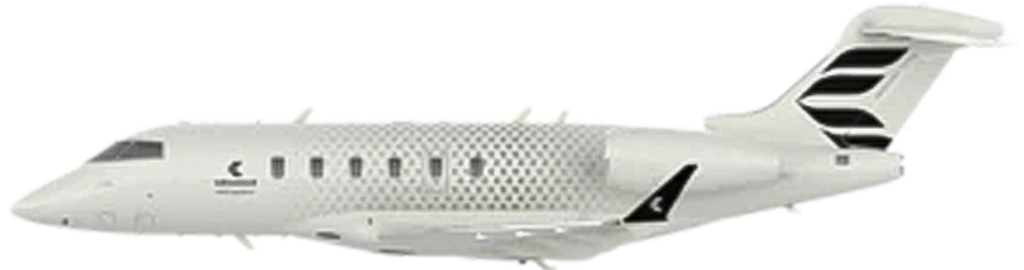
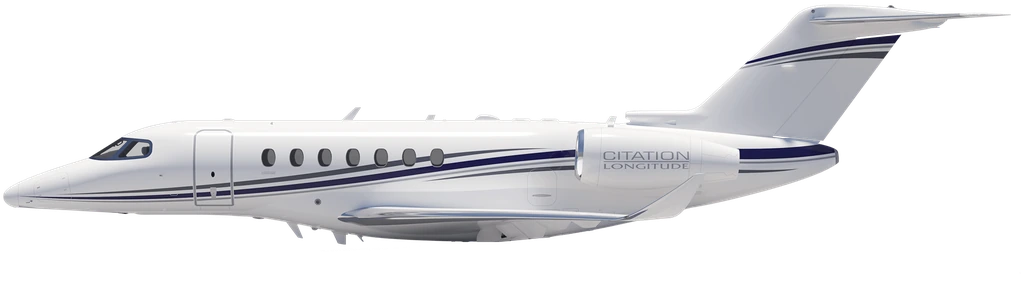
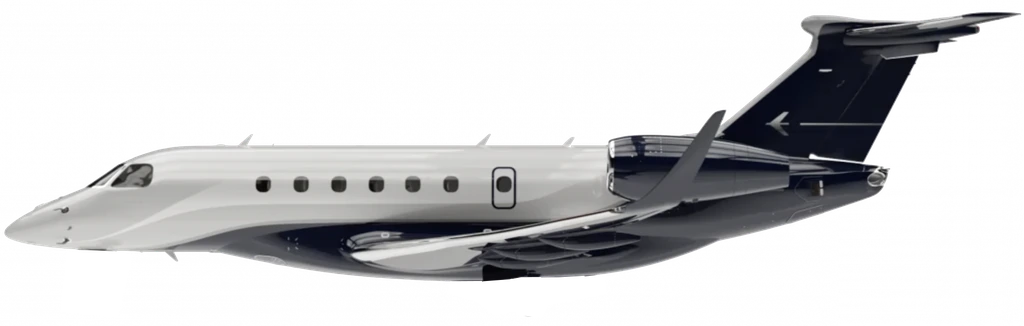
Layouts are 8–10 seats (Challenger 3500 up to 10, Praetor 600 9–12 in a dense layout). Range: Citation Longitude 6,480 km, Challenger 3500 6,300 km, Gulfstream G280 6,670 km, Praetor 600 7,440 km. The Citation X+ stands apart — the fastest civil aircraft (M0.935), trading range for speed. Holds are 2.8–4.3 m³. Send us a request — we'll prepare options, calculate running costs and analyse the best fit for your task.
How does a super-midsize jet differ from neighbouring classes?
From the midsize it is set apart by an extra 1,000–2,000 km, a wide flat-floor cabin and sleeping berths — transcontinental flights stop being an ordeal. The large class (Challenger 650, Falcon 2000LXS) adds a cabin width of 2.4–2.5 m, a separate rest zone and 7,400+ km, but an hour is $1,500–2,500 dearer. The choice threshold is regular flights longer than seven hours. Send us a request — we'll prepare options, calculate running costs and analyse the best fit for your task.
Which super-midsize jets are in the fleet and how do they differ?
Six models: the Bombardier Challenger 3500 — the widest cabin in class (2.19 m) and massage seats; the Embraer Praetor 600 — a record 7,440 km and fly-by-wire; the Cessna Citation Longitude — the quietest cabin and Citation economics; the Citation X+ — the world's fastest passenger aircraft (M0.935); the Gulfstream G280 — trademark windows and brand reliability; and the Hawker 4000 — a composite veteran at a fair price. Send us a request — we'll prepare options, calculate running costs and analyse the best fit for your task.
How do you choose an aircraft to buy for your needs?
Start from two numbers: the length of your typical route and the number of passengers. Up to 1,000 km and 4 people — a turboprop or light jet; 2,000–4,000 km — a midsize jet; nonstop intercontinental — a long-range jet. Then adjust for short runways, baggage volume and sleeping berths. We'll match a model to your profile and calculate the ownership economics. Send us a request — we'll prepare options, calculate running costs and analyse the best fit for your task.
New aircraft or pre-owned — which is the better buy?
A new aircraft means a factory warranty and a 1–3-year queue, but the price is at its peak. A pre-owned aircraft means immediate delivery and a price 30–60% lower, while engine time and history matter. For most buyers a fresh 3–7-year-old aircraft is optimal: the main depreciation has happened and plenty of life remains. We cost both options. Send us a request — we'll prepare options, calculate running costs and analyse the best fit for your task.