

Frequently Asked Questions?
Pilatus PC-24: What is this plane and what should you consider when buying it?
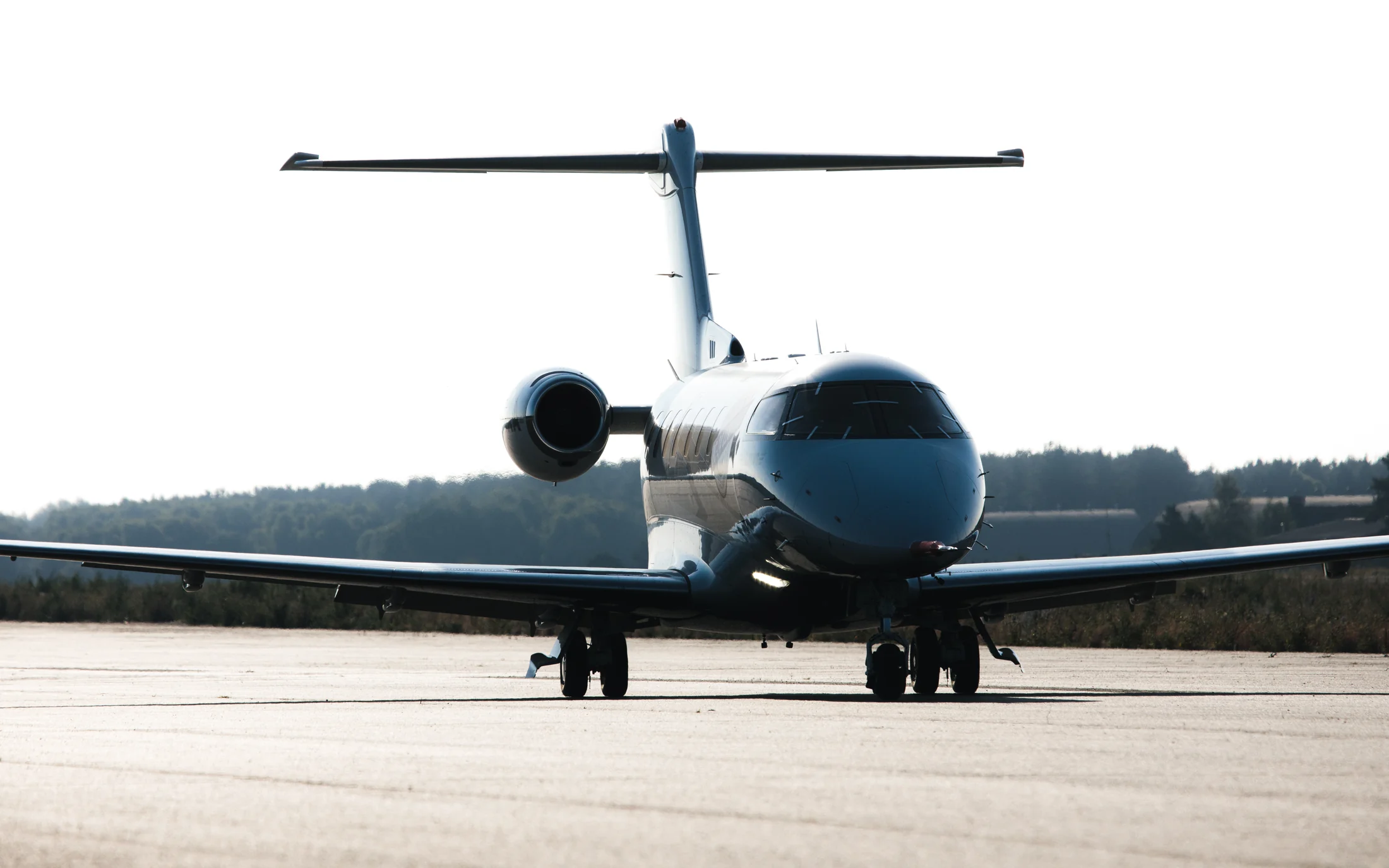
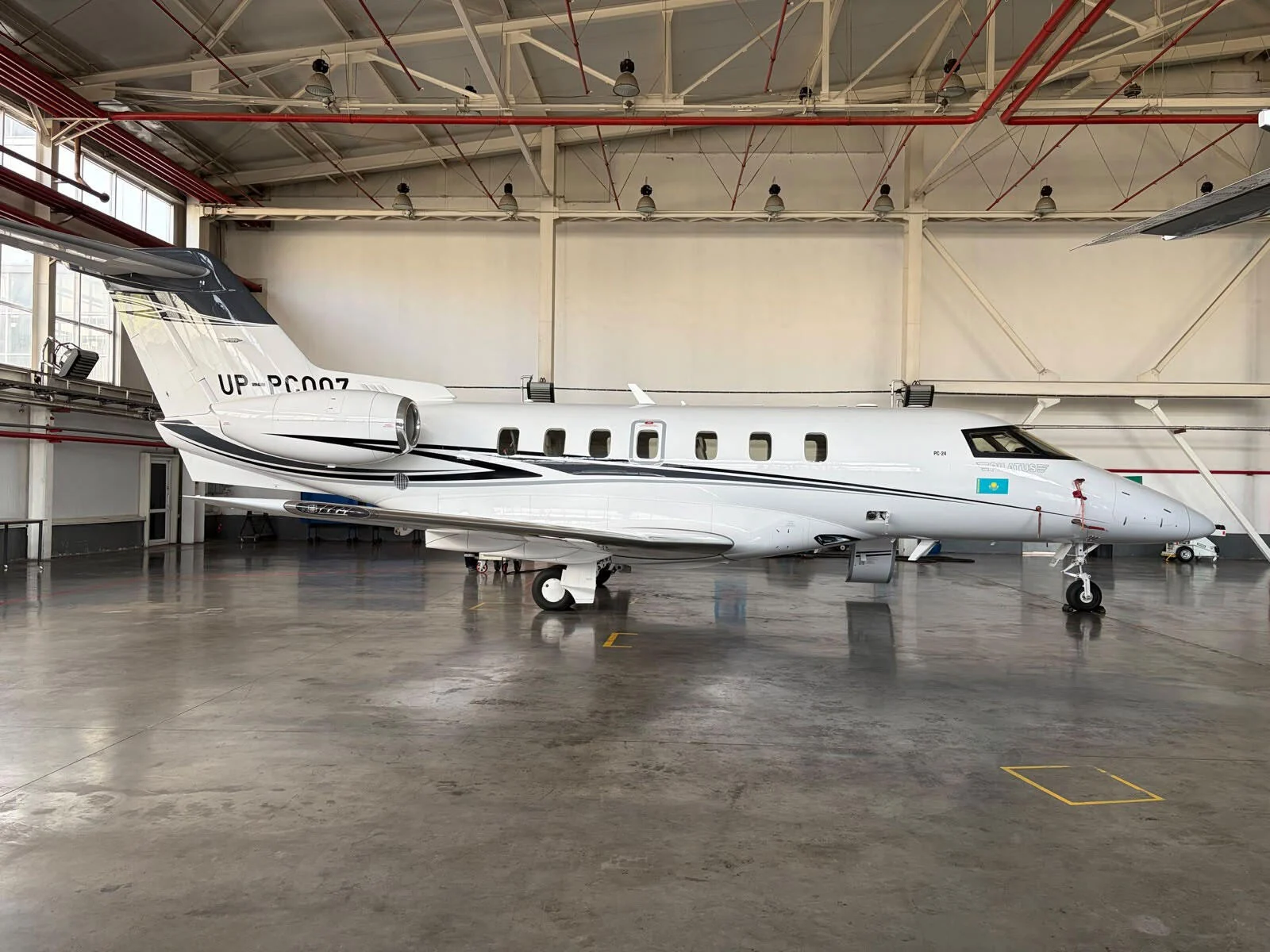
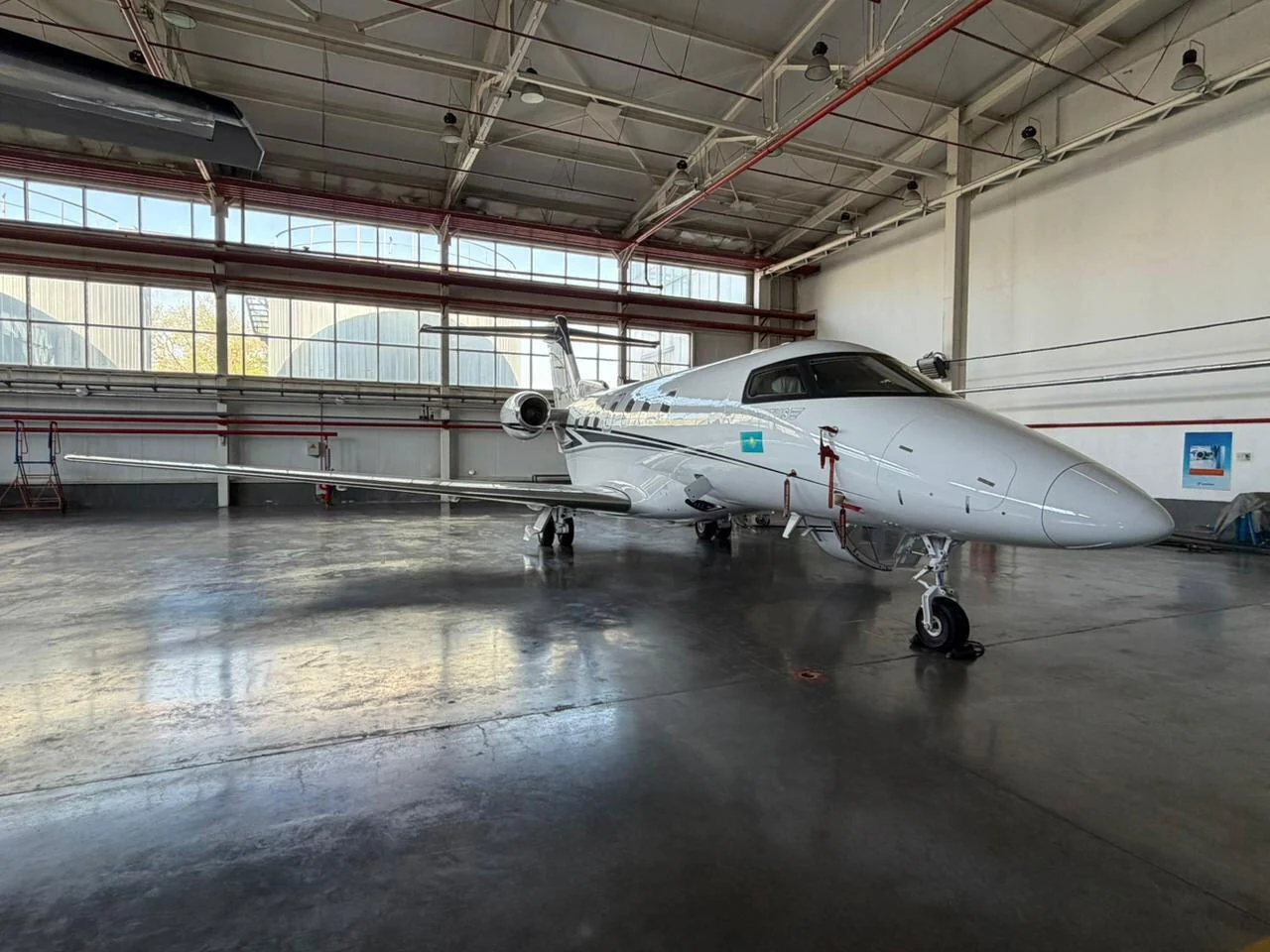
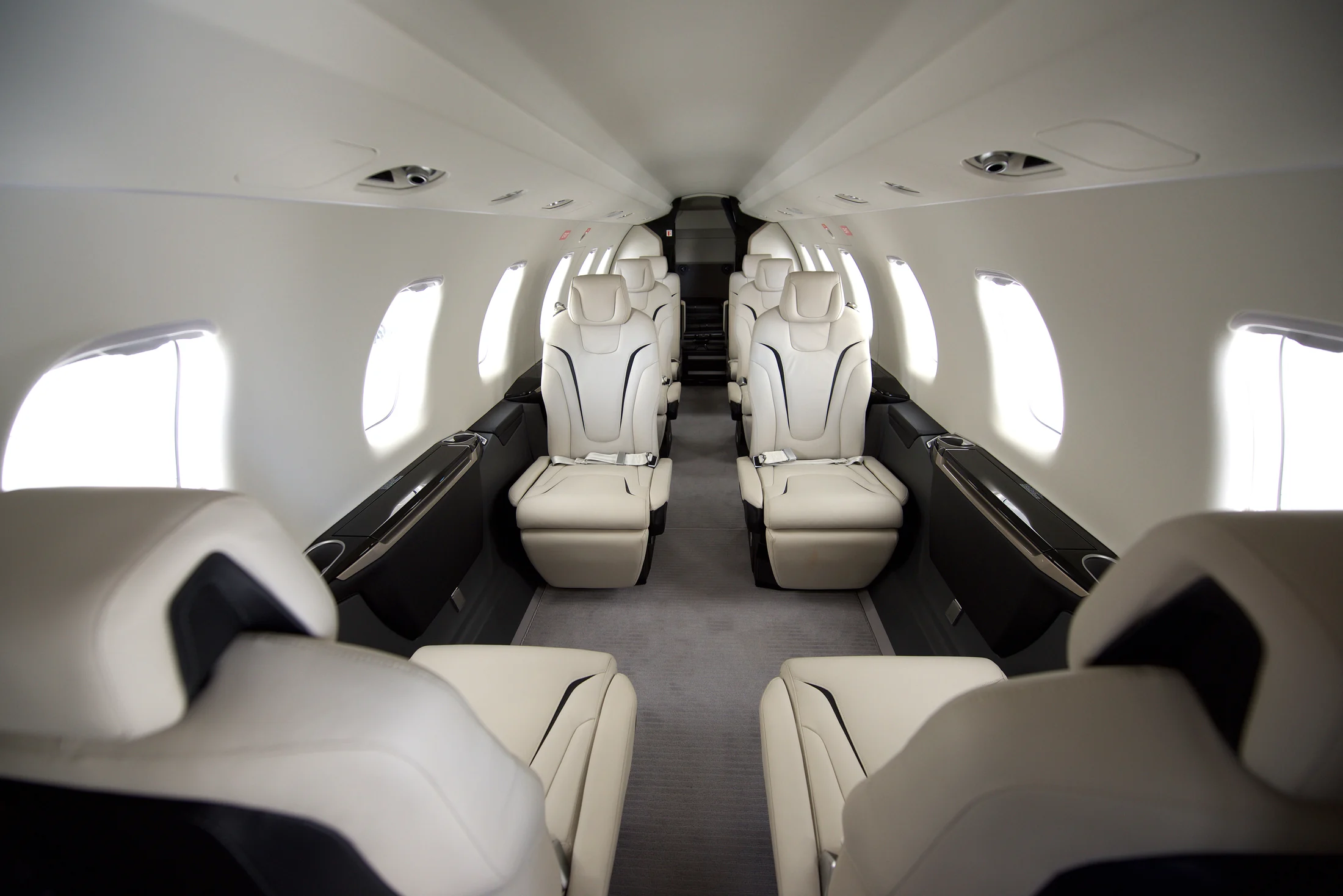
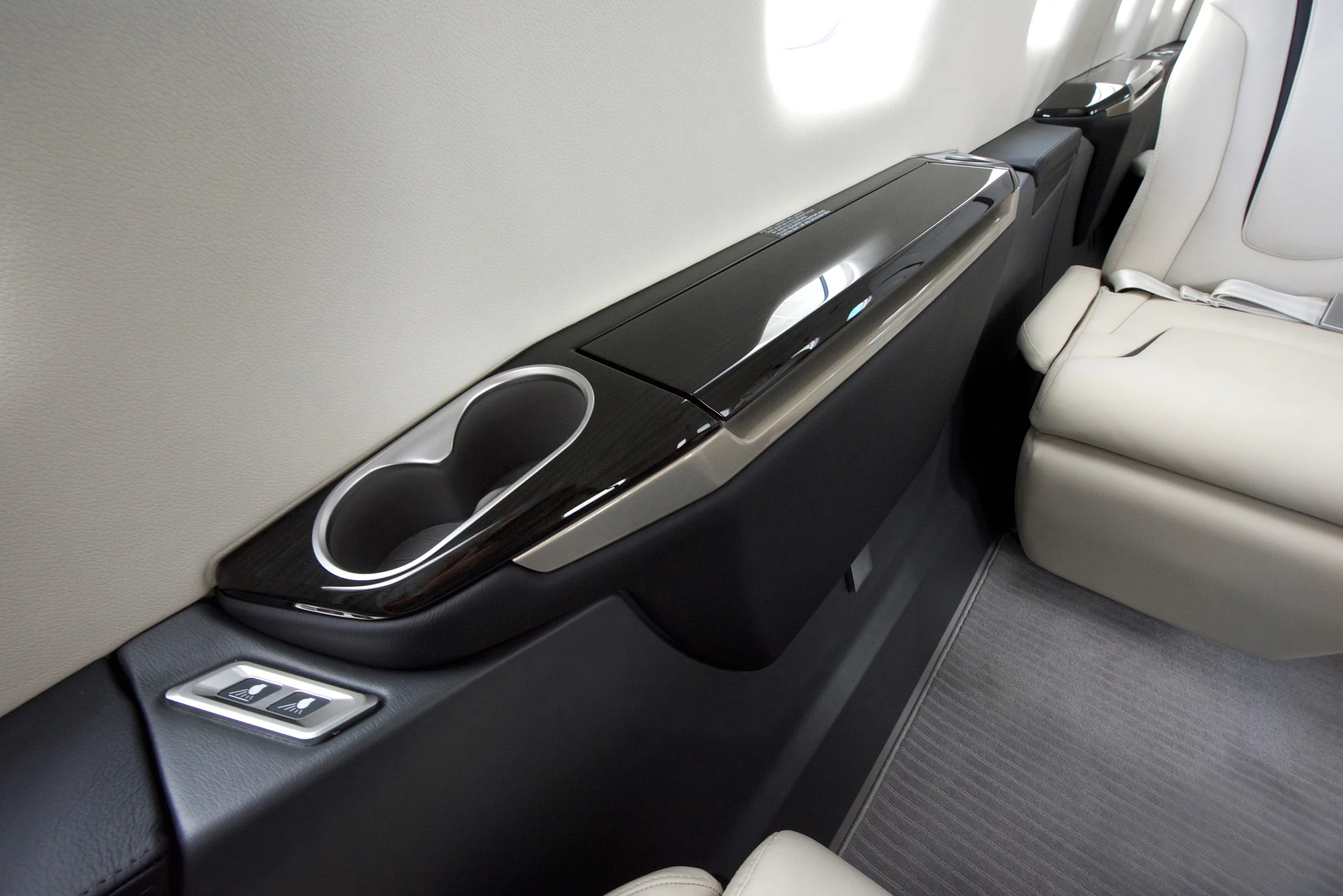
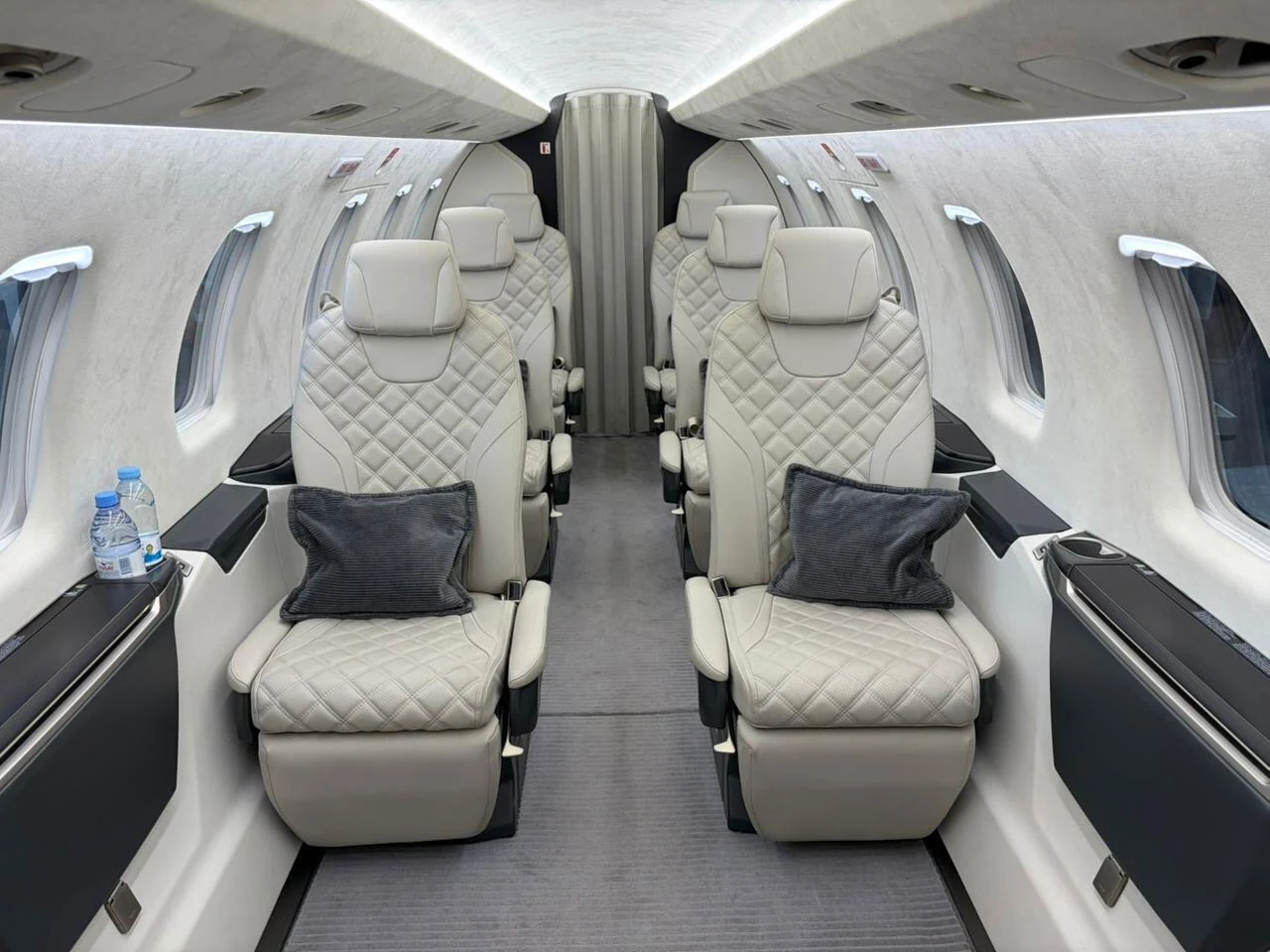
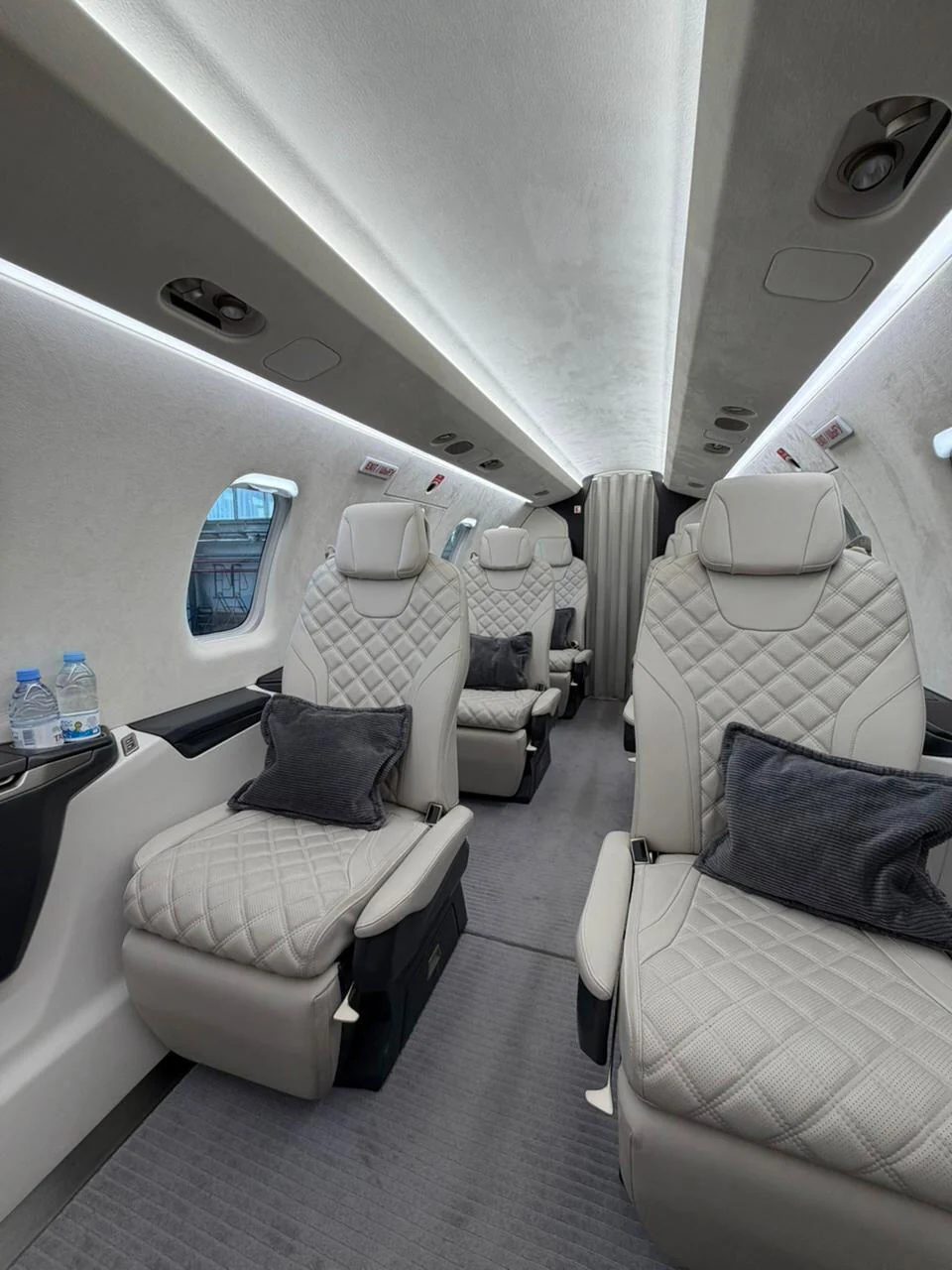
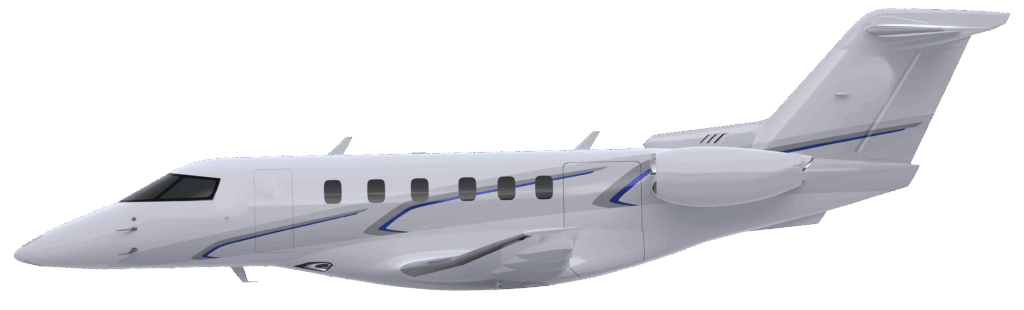
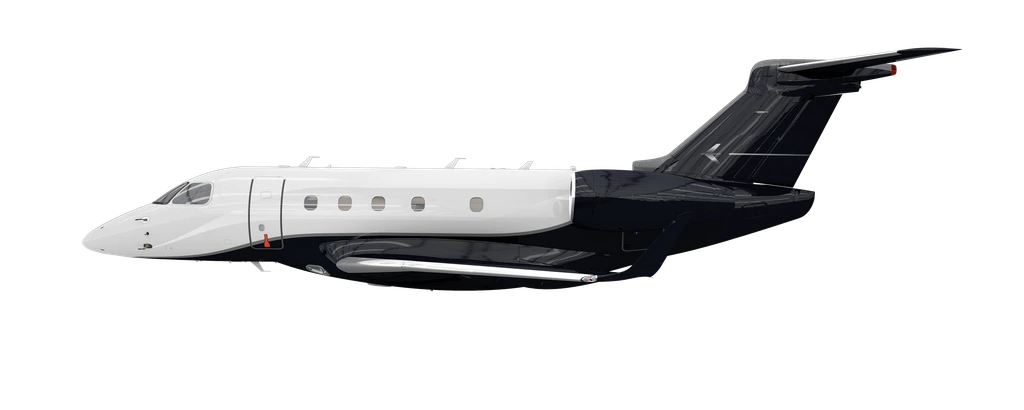
The PC-24 is the world's only jet certified for unpaved, gravel, and grass runways, offering three times more airfield access than its competitors. It seats eight to ten passengers, has a range of 3,889 km (2,480 mi), and a speed of 815 km/h (500 mph). It features Williams FJ44-4A engines and a standard 1.25 x 1.30 m (4.9 x 4.9 ft) cargo door. Production began in 2018, with a long waiting list for new aircraft. A flight attendant and hot meals are available depending on the jet's configuration. The baggage compartment is accessible in flight. Typical routes include Moscow–Shymkent, Almaty–Nizhny Novgorod, and Tashkent–Goa. Submit a request—we'll prepare a proposal, calculate the cost, and analyze options tailored to your needs.
How much does a Pilatus PC-24 cost: purchase and maintenance?
Pilatus PC-24 benchmarks: average used price is $11.1 million; new price is $13.5 million. Maintenance at 300-400 flight hours per year is approximately $2.06 million/year, with $5 137 flight hours per hour. The final price depends on the year, flight hours, engine life, and configuration. Send us a request – we will prepare a proposal, calculate maintenance, and analyze options tailored to your needs.
What is Pilatus known for and what aircraft does it produce?
The Swiss Pilatus delivers two hits. The PC-12 is the world's best-selling single-engine turboprop (over 2,000 aircraft): 8-9 seats, 3,300 km range, and operation from unpaved runways as short as 750 m. The PC-24 is a unique "off-road jet": a jet speed of 815 km/h combined with unpaved runway clearance of 900 m. Both aircraft are renowned for their Swiss assembly and sophisticated design.
How reliable is the single engine PC-12?
Fleet statistics speak louder than words: 2,000+ PC-12 aircraft have logged over 10 million flight hours, and the accident rate is one of the best among all turboprops, including twin-engine aircraft. The PT6A-67P engine, with 500 million flight hours, operates 3,500 hours between overhauls. North American operators use the PC-12 to transport cargo and patients around the clock—there's no more rigorous test.
How does the Pilatus hold its value on the secondary market?
The PC-12 holds the record for the highest residual value in general aviation: a ten-year-old aircraft retains a price of 65–75% (a new NGX costs ~$6.5 million, a 2015 PC-12 NG costs $4.3–5 million). The reason is its perennial shortage: the aircraft's versatility maintains demand from charter, air ambulance, and cargo operators. A good aircraft's display rarely lasts longer than a month.
How is the PC-24 different from regular light jets?
The PC-24 is the only jet certified for unpaved, grass, and gravel runways: it has access to approximately 20,000 airfields worldwide, compared to approximately 5,000. It also features a 1.25 x 1.30 m cargo door like a turboprop and a flat cabin floor for 8–10 passengers. This versatility comes at the cost of range: 3,890 km versus the CJ4's 4,000+. The price for a new jet is approximately $1,810,000.
What routes and missions are mid-size jets suitable for?
Middle class covers 4-6 hour flights: Moscow-Dubai, Almaty-Frankfurt, Astana-Beijing. The 3,900-6,200 km range allows nonstop flights from Central Asia to Europe, India, and China. The cabin allows for full standing (1.73-1.83 m), working at a desk, and a full workday—the class is chosen for its balance of range, comfort, and price.
What is the range and how many passengers does a mid-size jet carry?
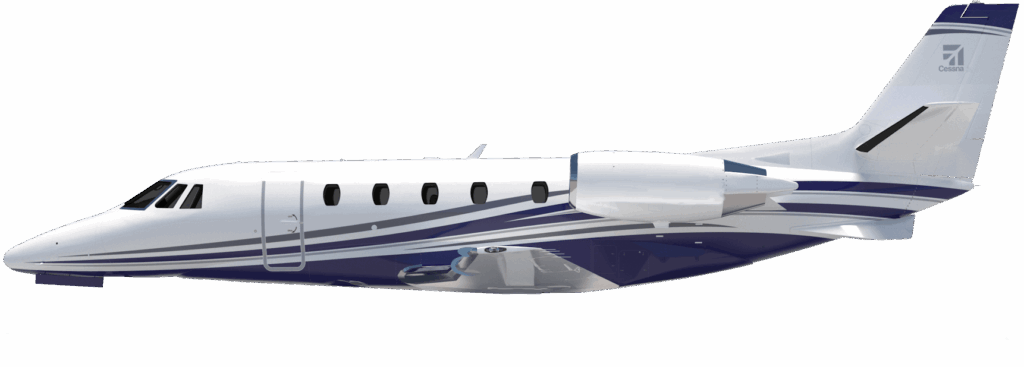
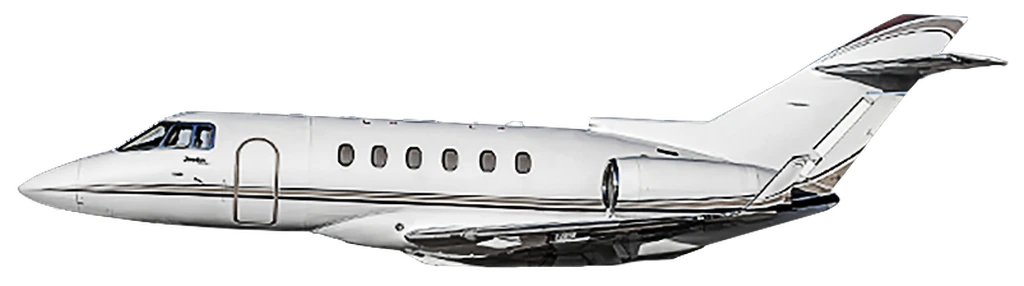
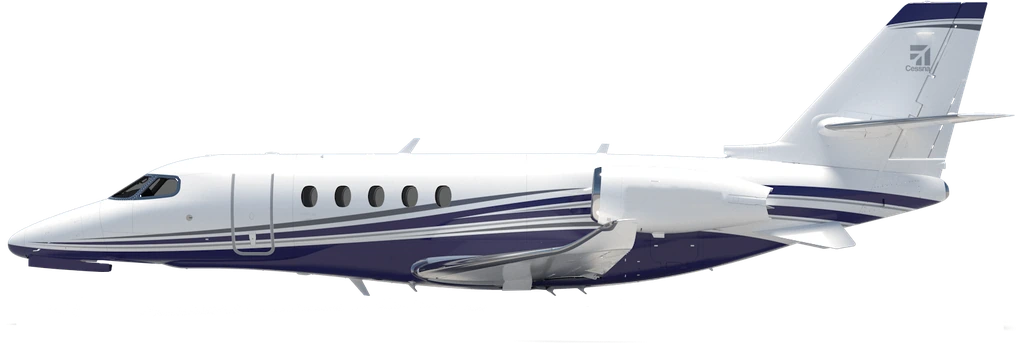
Layouts: 8-9 seats; the Citation, Latitude, and Praetor 500 seats up to nine passengers with two pilots. Range: Citation XLS+ and PC-24 – approximately 3,900 km, Hawker 800XP/900XP – 4,600-4,900 km, Latitude – 5,280 km, Praetor 500 – a record for its class of 6,200 km. Cruising speed: 780-850 km/h. Luggage compartments of 1.3-2.3 m³ can accommodate the entire group, including skis.
What is the difference between a mid-size jet, a light jet, and a super-midsize jet?
Medium class adds a standing cabin to the Light class, an extra 1,000–2,000 km of range, and a full galley/buffet—but at an extra $1,500–2,500 rubles per hour. Super Medium class goes further: 6,300–7,400 km, a flat floor, and sleeping berths—and an extra $1,000–2,000 rubles per hour. Medium class is justified on 4-6 hour routes for groups of up to nine; transatlantic and large groups require Super Medium.
What mid-size jets are in the fleet and how do they differ?
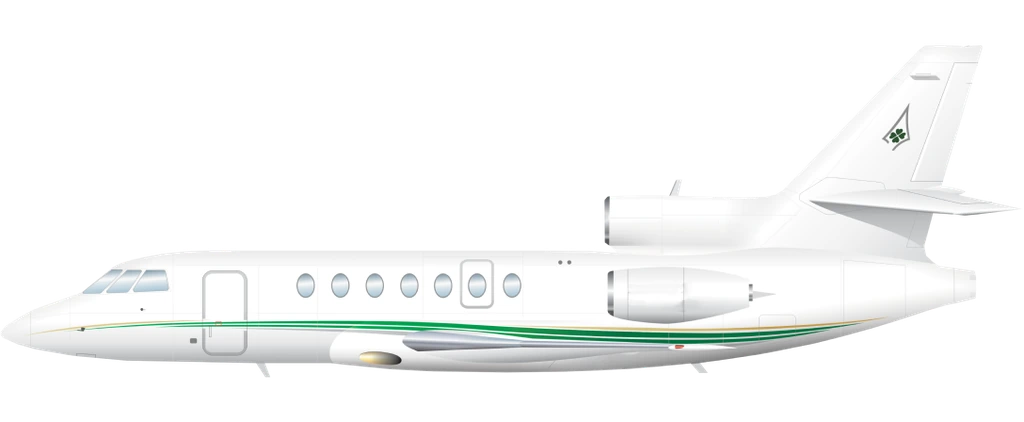
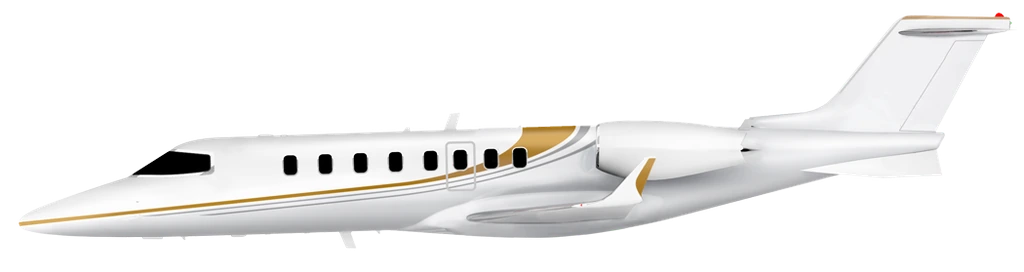
Eleven models: the latest Cessna Citation Ascend, Latitude (flat floor, 1.83 m cabin) and Sovereign+, the proven XLS+ Gen 2 — the most popular medium jet in the world, the long-range Embraer Praetor 500 (6,200 km), the off-road Pilatus PC-24 with ground clearance, the classic Hawker 750/800XP/900XP with the widest cabin of its generation, the high-speed Learjet 60XR and the compact Gulfstream G150.
How to choose the right aircraft for your needs?
Start with two figures: the typical route length and the number of passengers. Up to 1,000 km and 4 passengers – a turboprop or light jet; 2,000–4,000 km – a medium jet; nonstop intercontinental flights – a long-haul jet. Add adjustments for short runs, baggage volume, and berths. We'll select a model that matches your profile and calculate the economics of ownership. Send us a request – we'll prepare a proposal, calculate the content, and analyze options tailored to your needs.
A new plane or a used one – which is more profitable to buy?
A new aircraft comes with a factory warranty and a 1-3 year waiting list, but the price is maximum. A used aircraft offers immediate delivery and a lower price for the 30-60%, but it's important to check the engine life and history. For most buyers, a new aircraft, 3-7 years old, is optimal: the main discount has already been applied, and the aircraft still has a long service life. We consider both options. Send us a request – we'll prepare a proposal, calculate the cost, and analyze the options for your needs.