



Frequently asked questions
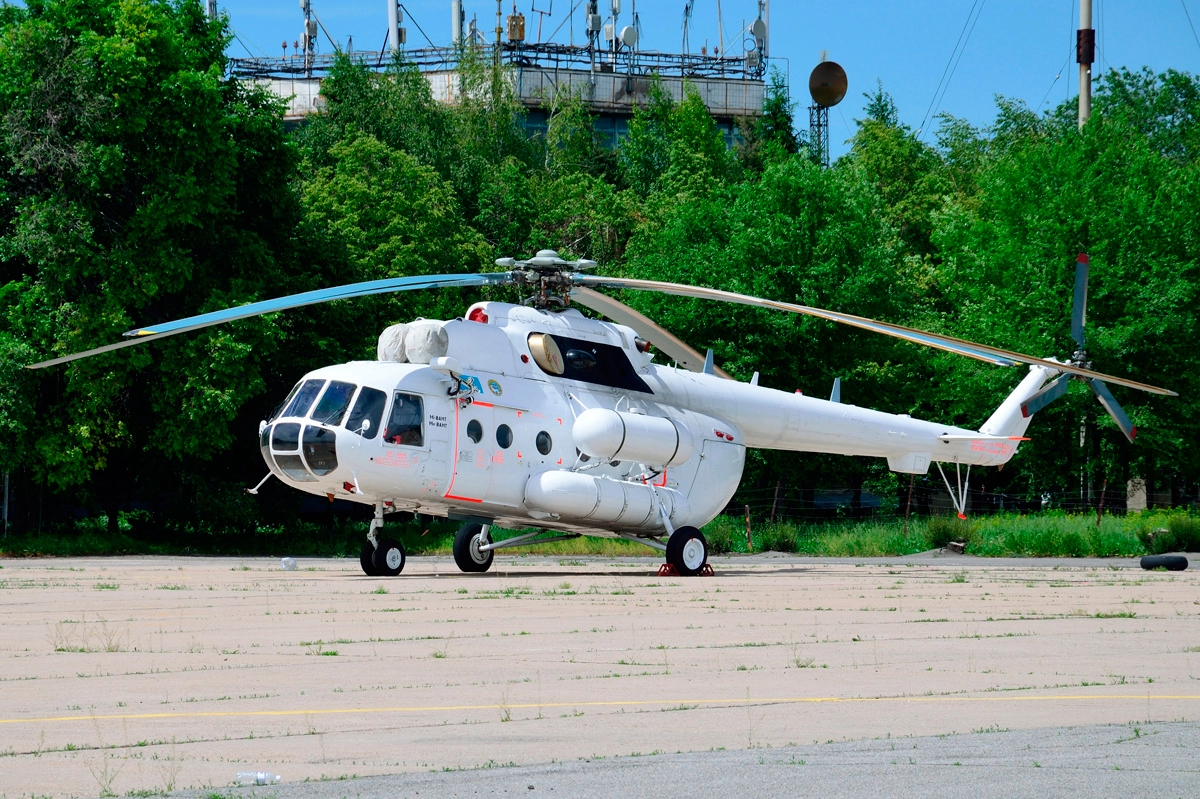
What condition is the Mi-8 MTV1, 1990 in: hours and cycles?
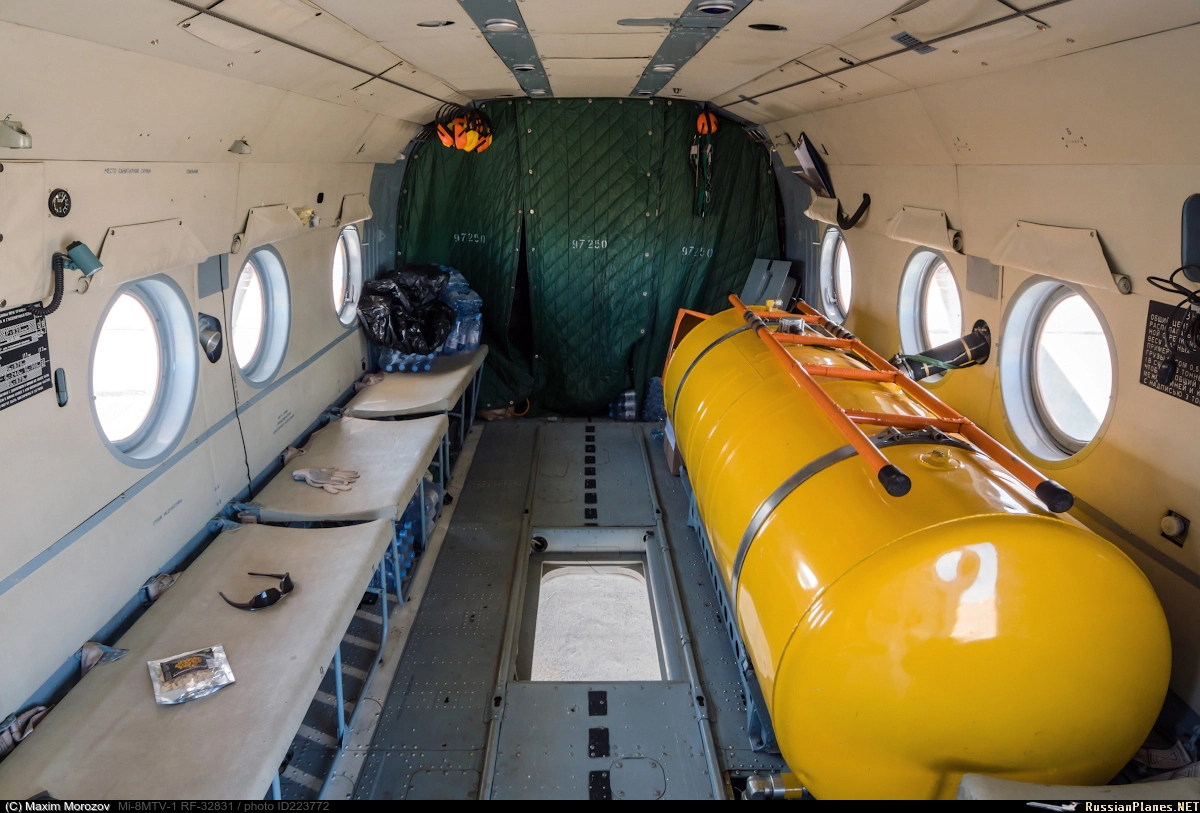
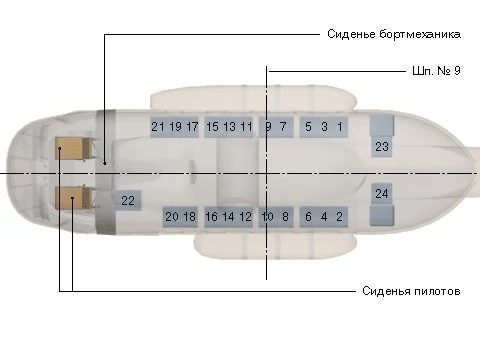
A 1990 aircraft. 3,400 flight hours over 2,500 cycles — about 90 hours a year, well below the market average of 350–450. Cabin — 20 seats. Average sector — 1.4 h: typical short business legs. There is no flight attendant or hot meal service — the cabin is compact. There is no in-flight baggage access — bags are loaded on the ground. Send us a request — we'll prepare options, calculate running costs and analyse the best fit for your task.
How much does the Mi-8 MTV1, 1990 cost and what are the ownership costs?
The average pre-owned price for the model is $6M. Running costs at 300–400 h/year — about $1.47M/year, or $3,673 per flight hour. The price of a specific aircraft depends on year, hours flown and engine-programme status. Send us a request — we'll prepare options, calculate running costs and analyse the best fit for your task.
What is the Russian Helicopters holding known for and which helicopters does it offer?
The holding unites the Mil and Kamov design bureaus and plants in Kazan, Ulan-Ude and Rostov. For passenger tasks the key helicopters are the light Ansat (5–7 seats in a VIP cabin) and the Mi-8AMT/Mi-171 family: the most numerous medium helicopter in the world, built in over 12,000 units. Its strength is operation in any climate from −50 to +50°C and tolerance of rough pads. Send us a request — we'll prepare options, calculate running costs and analyse the best fit for your task.
What is the VIP Mi-8AMT suited for?
The Mi-8AMT is a cabin helicopter for large groups: 9–13 seats in VIP layout (up to 22 in standard), ~800 km range on main tanks and up to 1,200 km with extra tanks. It takes baggage, skis and gear without limits and lands on unprepared pads in mountains and remote terrain. A classic for corporate flights to hunting, fishing and remote sites. Send us a request — we'll prepare options, calculate running costs and analyse the best fit for your task.
How reliable are the Ansat and Mi-8 and what about service in the CIS?
The main trump card is service nearby: repair plants and parts warehouses operate in Russia and Kazakhstan, checks do not require exporting the helicopter far abroad, and the Mi-8's component life is proven by decades in air ambulance, oil-and-gas and the military. The Ansat is certified including for high altitude; its PW207K engines are serviced to global standards. Send us a request — we'll prepare options, calculate running costs and analyse the best fit for your task.
How do the Ansat and Mi-8 compare in price with Western equivalents?
A new VIP-configured Ansat is about $3.5–4.5M — 30–40% cheaper than a comparable Western twin. A cabin-configured Mi-171 is $12–15M, whereas a Western equivalent of that capacity costs from $20M. The Mi-8's operating hour is also cheaper thanks to inexpensive parts and the availability of specialists in the region. Send us a request — we'll prepare options, calculate running costs and analyse the best fit for your task.
How does a deal work: stages and timeline from deposit to handover?
The standard path takes 6–10 weeks. Step 1: a letter of intent (LOI) with price and terms — 3–5 days. Step 2: a 5–10% deposit into escrow and signing of the purchase agreement. Step 3: a pre-purchase inspection — 1–3 weeks. Step 4: rectification of findings and price adjustment. Step 5: closing — simultaneous transfer of funds, title and risk, technical acceptance and ferry of the aircraft.
What is a pre-purchase inspection and who pays for it?
A pre-purchase inspection (PPI) is an independent check at a certified centre: airframe, engines, corrosion, records and compliance with airworthiness directives. It takes from 3 days on a turboprop to 2–3 weeks on a heavy jet and costs $15–100K — paid by the buyer. By market practice the seller pays to rectify airworthiness-affecting defects. A seller refusing a PPI is grounds to walk away.