









Frequently asked questions
Airbus H125: what kind of helicopter is it and what to consider when buying?
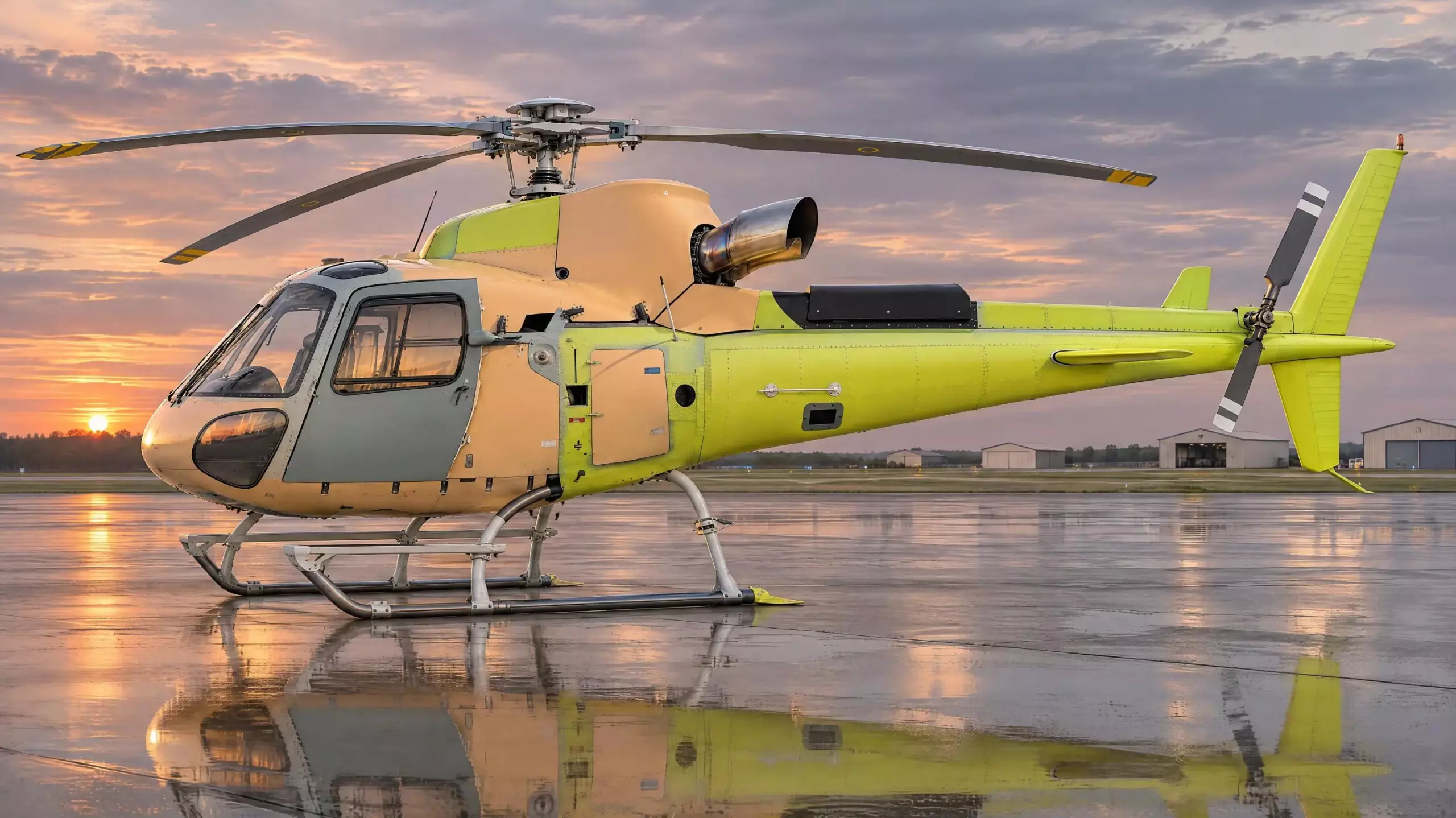
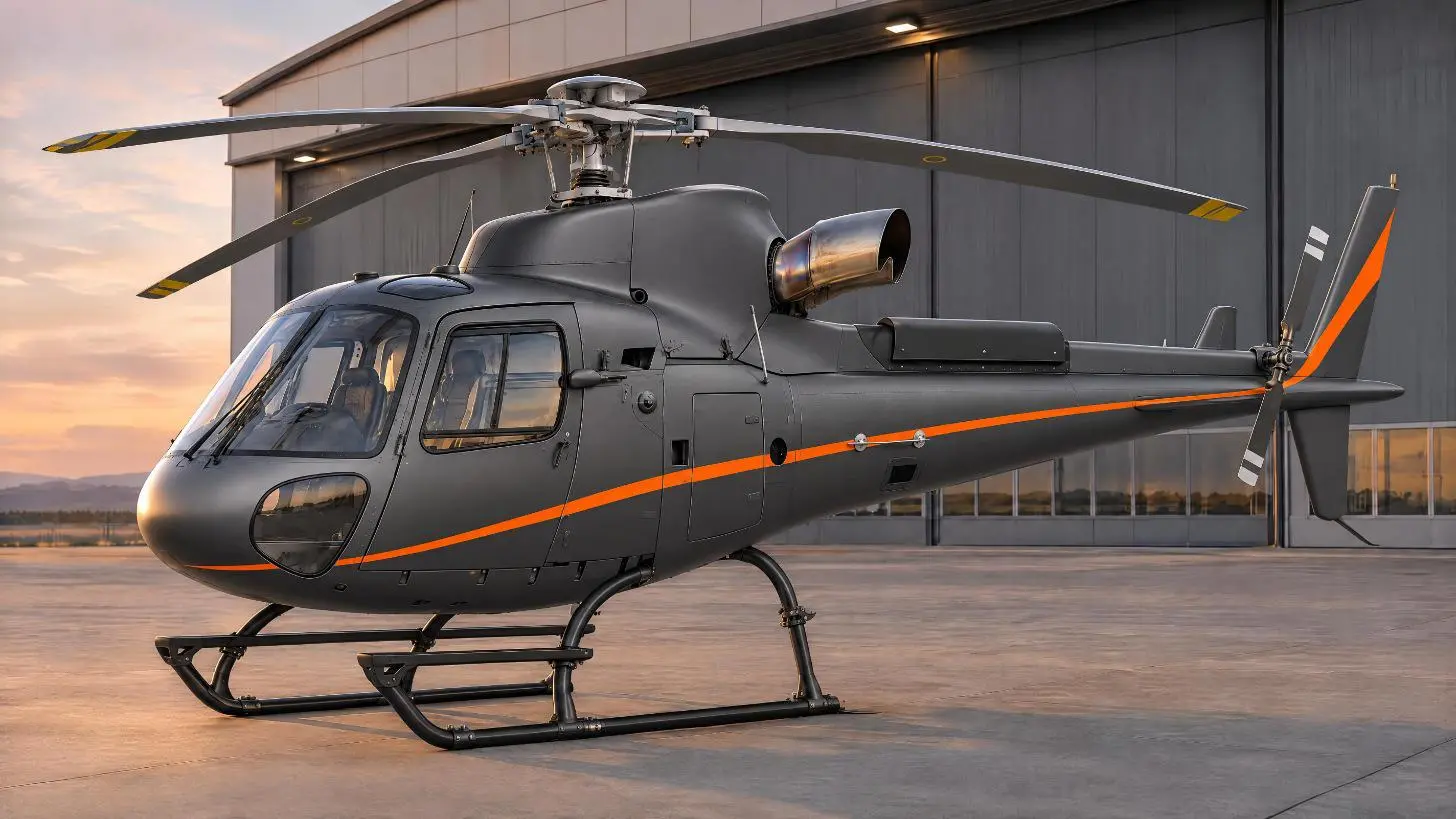
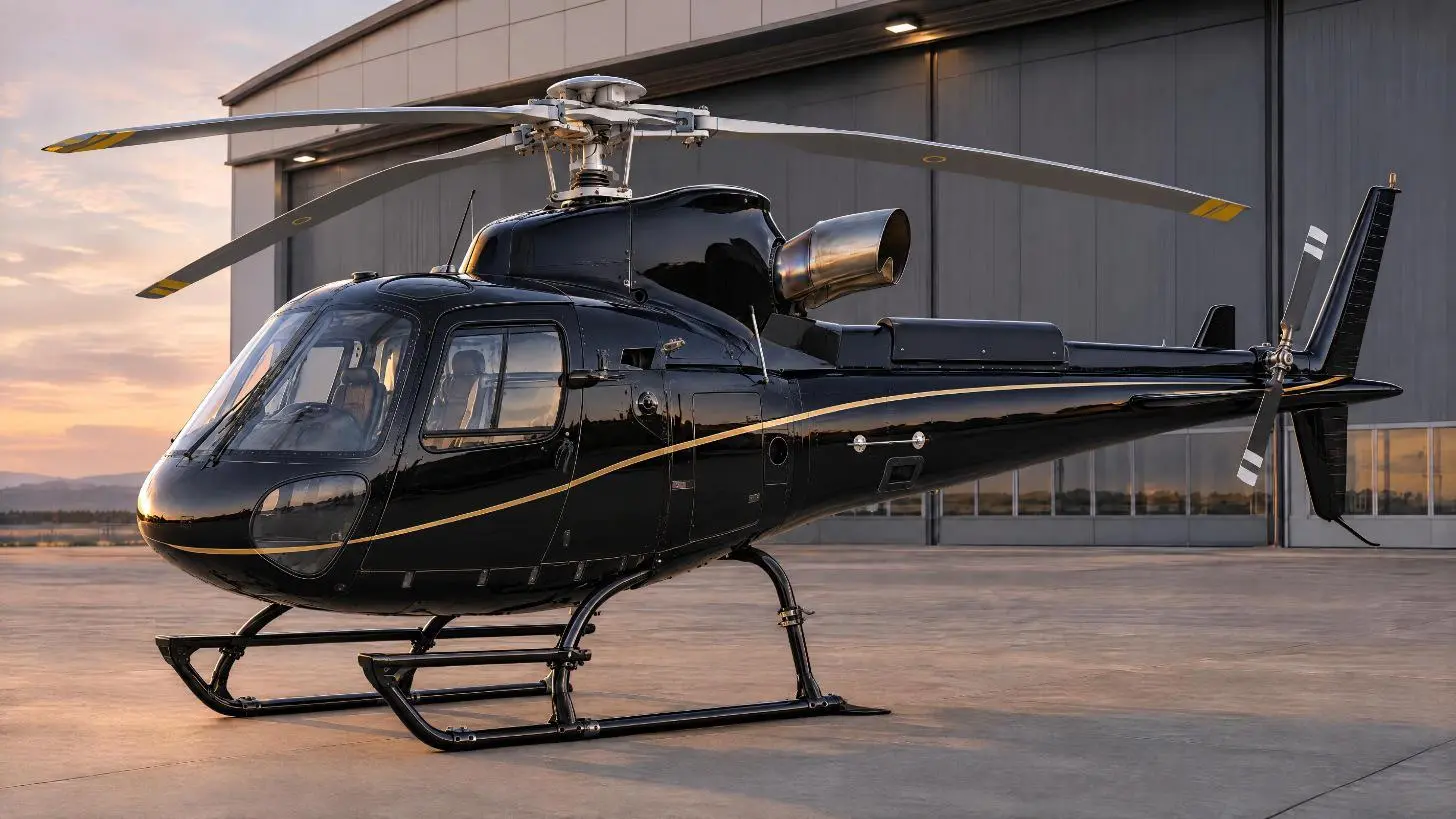
The H125 (ex-AS350 'Écureuil') has been a best-seller since 1977: thousands of aircraft worldwide. Five to six seats, a range of about 630 km, an Arriel 2D engine and high-altitude landing records (including Everest). An all-rounder: VIP transfers, mountains, air ambulance and slung-load work. Simple mechanics and ubiquitous service underpin its reputation. There is no flight attendant or hot meal service. There is no in-flight baggage access — bags are loaded on the ground. On short hops it typically flies routes such as London–Battersea · Paris–Le Bourget · Nice–Monaco. Send us a request — we'll prepare options, calculate running costs and analyse the best fit for your task.
How much does the Airbus H125 cost: purchase and running costs?
Guide figures for the Airbus H125: average pre-owned price — $2.5M; new — $4.5M. Running costs at 300–400 h/year — about $523K/year, or $1,308 per flight hour. The final figure depends on year, hours flown, engine-programme status and configuration. Send us a request — we'll prepare options, calculate running costs and analyse the best fit for your task.
What is Airbus Helicopters known for and what is its range?
It is the largest maker of civil helicopters — about half of world deliveries. The range covers every task: single-engine H125 and H130 for 4–6 passengers, light twins H135 and H145, medium H155 and H175, and the newest H160. For private clients there is the ACH (Airbus Corporate Helicopters) VIP line with custom cabins. Send us a request — we'll prepare options, calculate running costs and analyse the best fit for your task.
Which Airbus helicopter to choose: H125, H145 or H160?
The H125 is the workhorse for transfers up to 600 km: 5 passengers, high-altitude pads, charter from ~$2,000/hour. The H145 is twin-engine, cleared over cities and water, seats 8, for medical and night missions. The H160 is the VIP flagship: 8 passengers in a panoramic-glazed cabin, ~850 km range and markedly lower noise thanks to Blue Edge blades. Send us a request — we'll prepare options, calculate running costs and analyse the best fit for your task.
How well do Airbus helicopters hold value on the pre-owned market?
The H125 is one of the most liquid helicopters in the world: a ten-year-old machine keeps 70–80% of a new one's price (a new one is ~$4M), and market exposure rarely exceeds six months. The reason is a huge fleet, cheap parts and versatility: the same helicopter works in VIP transport, air ambulance and tourism. Twin H135/H145 hold value slightly less, but steadily. Send us a request — we'll prepare options, calculate running costs and analyse the best fit for your task.
How reliable are Airbus helicopters and what about servicing?
The Safran Arriel engines on the H125/H130/H135 have logged over 50 million flight hours — with an overhaul interval up to 4,000 hours. The Airbus Helicopters service network covers over 150 countries; in the CIS and Central Asia, authorised centres operate in Kazakhstan, the UAE and Turkey, so scheduled maintenance does not require ferrying the helicopter to Europe. Send us a request — we'll prepare options, calculate running costs and analyse the best fit for your task.
How does a deal work: stages and timeline from deposit to handover?
The standard path takes 6–10 weeks. Step 1: a letter of intent (LOI) with price and terms — 3–5 days. Step 2: a 5–10% deposit into escrow and signing of the purchase agreement. Step 3: a pre-purchase inspection — 1–3 weeks. Step 4: rectification of findings and price adjustment. Step 5: closing — simultaneous transfer of funds, title and risk, technical acceptance and ferry of the aircraft.
What is a pre-purchase inspection and who pays for it?
A pre-purchase inspection (PPI) is an independent check at a certified centre: airframe, engines, corrosion, records and compliance with airworthiness directives. It takes from 3 days on a turboprop to 2–3 weeks on a heavy jet and costs $15–100K — paid by the buyer. By market practice the seller pays to rectify airworthiness-affecting defects. A seller refusing a PPI is grounds to walk away.