Home > Blog > Lilium Resumes Operations Following Acquisition Completion
Lilium Resumes Operations Following Acquisition Completion
1050
3 min
Some employees of electric VTOL (eVTOL) developer Lilium have returned to work after completing a takeover deal that saved the company from bankruptcy. A consortium of investors has committed more than €200 million to finance the project. Lilium representatives said the investors are actively working to minimize delays in bringing Lilium Jet to market caused by financial difficulties.
How to choose an aircraft for rent?
Chartering a jet isn't just a transportation solution; it's a way to make travel as comfortable, safe, and efficient as possible. To ensure a perfect private jet flight, it's important to choose the right aircraft for your specific needs. The choice of model affects not only the price of the flight, but also the level of service, capacity, flight range, and onboard amenities. Below are key factors to help you make the right decision.
Purpose of the trip
The first thing to start with is to determine the purpose of the flight.
Business travel. For short business trips or meetings in neighboring countries, light and ultra-light jets are ideal—for example, the Cessna Citation CJ3+, HondaJet Elite II, or Embraer Phenom 300. These aircraft are quickly prepared for departure, allow comfortable travel to the destination, and save executives time.
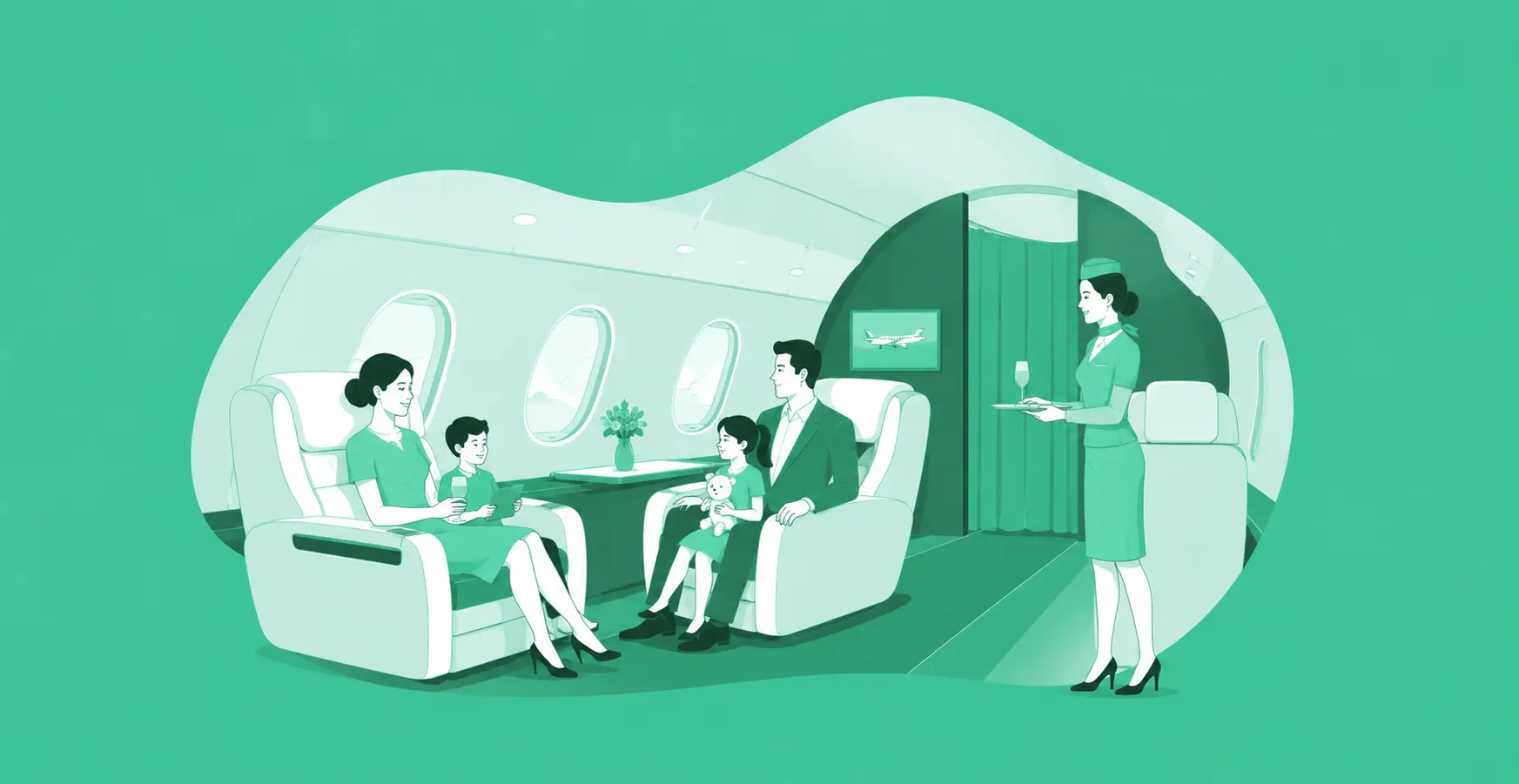
Vacationing with family or friends. If you're planning a vacation or a trip with a large group, consider mid-size and large business jets like the Bombardier Challenger 605 or Gulfstream G550. They offer spacious cabins, galleys, separate lounge areas, and ample baggage space.
Transcontinental and intercontinental flights. Long-haul routes—for example, Almaty to Dubai or Istanbul to New York—require long-range aircraft with greater range and increased speed. Optimal options include the Bombardier Global 6000, Gulfstream G650ER, or Falcon 8X.
Number of passengers
The exact number of passengers directly influences the choice of aircraft class.
For 2-4 people, a compact jet with minimal operating costs is sufficient.
For 5-9 passengers, midsize and super-midsize jets offer more space and comfort.
If you're planning a group flight of up to 15–19 people, JetHunter offers business jets with separate cabins, sleeping areas, and a full kitchen.
Distance and route
Each model has a specific flight range, which determines whether the aircraft can fly without refueling.
For flights within Asia or to Europe, a range of up to 3,000–4,000 km is sufficient.
For intercontinental routes, a reserve of 7,000 km or more will be required.
It's also important to consider your departure and destination airports: not all airports can accommodate large aircraft. In such cases, JetHunter will select a model suitable for short runways or mountain airfields, such as the Pilatus PC-12 NGX or Cessna Citation XLS+.
Budget and rental cost
The cost of renting an airplane depends on several factors:
class and model of aircraft;
route distance;
flight dates
number of passengers
additional services - catering, transfers, etc.
The average rental price for a light jet starts at $2,000 per hour, for a mid-size jet around $6,000–$8,000, and for a long-haul jet from $10,000 and up. The JetHunter team can help you calculate the cost individually and offer the best options for your budget—with no hidden fees.
Additional requirements
Renting a business jet allows you to tailor your flight to your personal preferences. When choosing an aircraft, consider the following in advance:
the need for a sleeping area, shower, kitchen or bar;
availability of Internet, entertainment system, satellite communications;
the possibility of transporting non-standard sized luggage, sports equipment or pets;
preferences for catering and service on board.
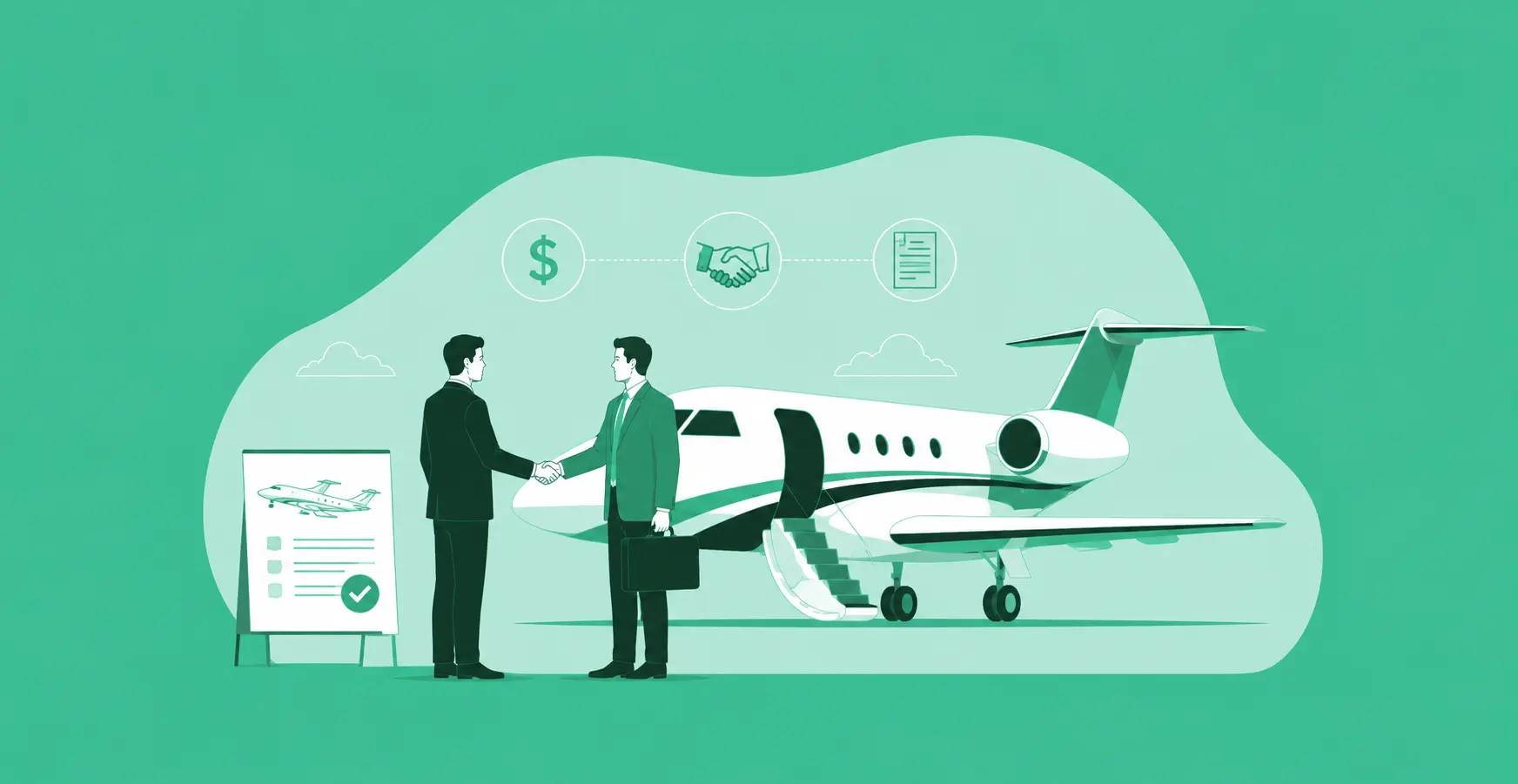
3 steps to buying an airplane
1
Send us request
Contact and tell us about your most ambitious wishes. We will find the best aircraft for you!
2
Sign a contract
Sign the private jet purchase agreement. This ensures that you, the buyer, and all parties understand the terms of the transaction.
3
Pay for the plane
Pay for the aircraft of your choice in any convenient way. We offer more than 50 different payment options.
We take 8 steps to buy an airplane
Determine the requirements for the aircraft
Determine your budget and travel needs: Where do you want to fly? How often? How many passengers will you be carrying? What level of comfort do you prefer?
Contact us
Contact our manager who will help you understand the technical characteristics of the aircraft and choose the most suitable model.
Select aircraft model
Based on your requirements, we will select several aircraft models that are optimally suited in terms of technical characteristics, capacity, flight range and other parameters. We will also help you compare the selected models and make an informed choice. We recommend choosing an aircraft that 80% matches your ideal.
Visual inspection of the aircraft
Choose one or two aircraft from the options offered. We will arrange a visual inspection, where you will be able to personally inspect the aircraft, assess the condition of its interior and exterior, and determine the most suitable option for purchase.
LOI and contract
It is necessary to sign a Letter of Intent to Purchase an Aircraft (LOI), make a deposit and sign the Aircraft Purchase Agreement, drafted by our experienced lawyers.
Pre-Purchase Inspection (PPI)
We will arrange an independent technical inspection of the aircraft in a certified center to ensure its safety and serviceability. You will receive a detailed report on the technical condition of the aircraft to be sure of its reliability. As a result, you will receive a fully operational aircraft in airworthiness.
Closing the deal
At this stage, the aircraft flies to the location where the deal is closed and payment for the aircraft is made in any way convenient for you. The transaction goes through an escrow agent, which guarantees security and transparency during the transaction. Your funds will be sent to the seller only after receiving all the necessary documents for the aircraft.
Aircraft delivery
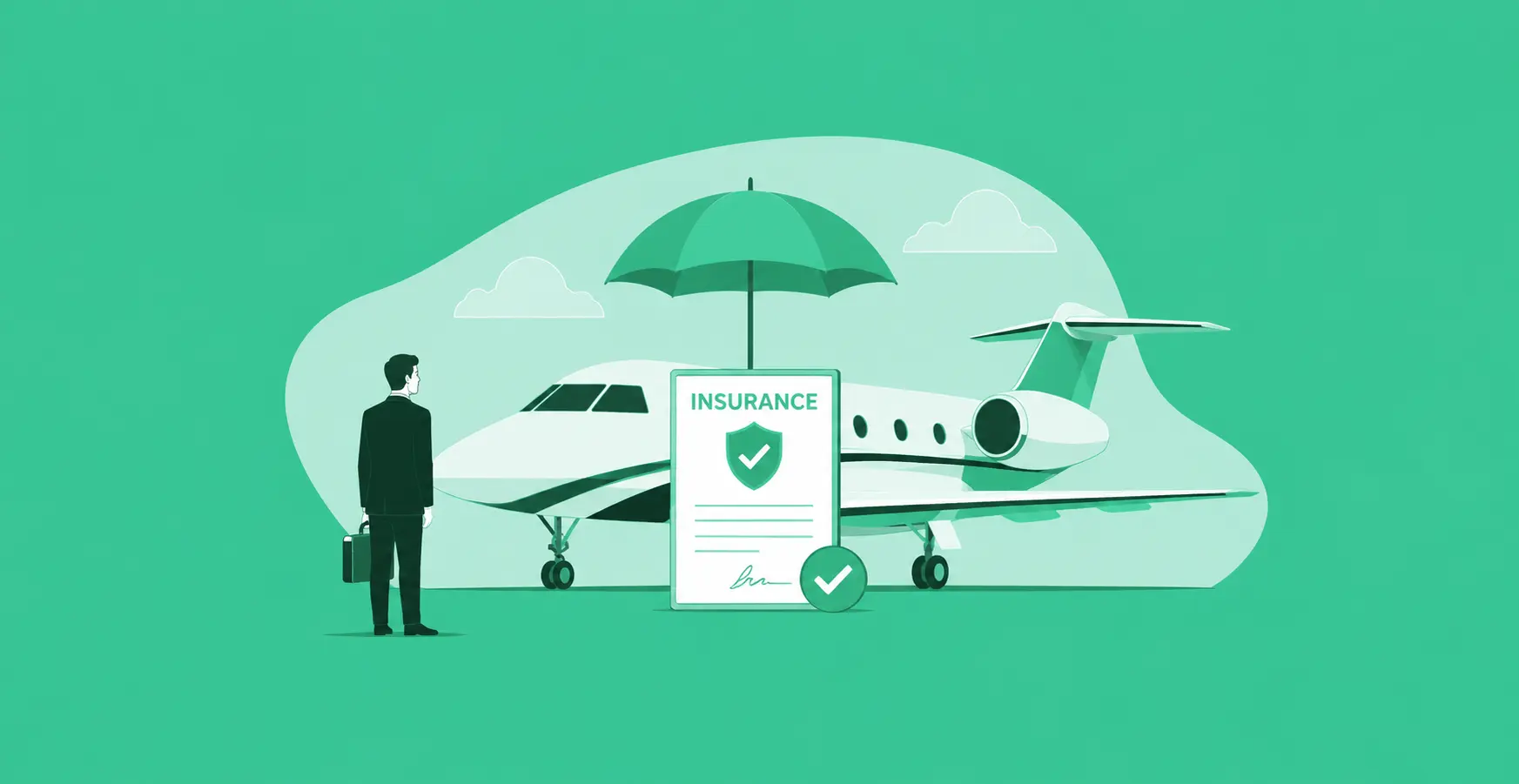
We will organize a ceremonial handover of the aircraft to you. And we will ensure a comfortable start of operation of your new aircraft. If necessary, we will recommend the operator, insurance company and service center.
Have questions?
Leave your contact information and we will contact you within 5 minutes and tell you everything in more detail.
We will advise, select and consult you on all issues.
Frequently Asked Questions?
How much does it cost to own a private plane?
Maintenance costs depend on the intensity of use and the aircraft class. When purchasing an aircraft, consider the following regular expenses:
- Crew and service personnel;
- Aviation fuel and navigation fees;
- Maintenance and insurance;
- Hangar storage and airport fees.
How to choose an aircraft when buying an airplane?
Choosing the right aircraft to purchase is based on key parameters:
- Capacity and comfort of the cabin;
- Flight range and route characteristics;
- Acquisition and operating budget.
Our specialists will offer the best business jet options with a detailed comparison of characteristics.
What should be considered when choosing a used aircraft?
When deciding to buy a private used aircraft, we recommend checking:
- Operation and maintenance history (Service bulletins (SB), Airworthiness directives (AD))
- Availability of complete documentation and certificates (See forms (Logbooks))
- No serious incidents in the past (See Logbooks)
- Quality of used spare parts and components (We check during the pre-sale inspection (PPI))
Where and how to register the aircraft?
Aircraft registration is typically carried out in international jurisdictions (Europe, the United States), which allows for tax optimization. The owner can independently choose the country of registration when purchasing a business jet.
Where and how to store the aircraft?
Regular piston-engine, inexpensive aircraft can be stored directly on the street, but business jets and expensive turboprop aircraft must be stored only in an airfield hangar.
How to rent a private jet?
To book a private jet, simply contact us by phone or submit a request on our website. Tell our managers your desired dates, route, and number of guests. Based on this information, we will prepare the best private jet charter options for you. Once you select the appropriate business jet, we will sign the contract, and you can make payment. We will then ask you to provide a passenger list and any onboard service requirements, and your flight will be fully organized. On the day of departure, a ready-to-fly aircraft and professional crew will be waiting for you.
What is included in the price of buying a private jet?
The final price of a private jet charter is a comprehensive package. It includes an aircraft with an experienced crew, VIP lounge services (if available at the departure/arrival airport), premium onboard meals, and all required airport taxes. You can also add any additional services to make your business jet charter as convenient as possible.
Can I change the conditions of the booked flight?
Safety is our top priority. Every business jet available for charter undergoes regular maintenance and has all necessary permits. All pilots hold valid licenses and continually improve their skills in regular simulator training and courses. Therefore, a private flight with us is not only comfortable but also completely reliable.
How is the flight safe? What is the level of training of the pilots?
Of course, you can change the flight conditions, and we will make every effort to ensure that all changes are carried out.
How far in advance should I book my flight?
It's best to book 1-2 days before departure, but if there's an available aircraft, urgent flights within a few hours are also possible. The earlier you book, the wider the selection of suitable aircraft.
Word of CEO
For those who value time above all else, the sky offers limitless possibilities. At JetHunter, we've created a service that transforms private travel into a tool for efficiency and comfort. When you charter an aircraft with us, you get more than just transportation, but a carefully designed space for work and relaxation.
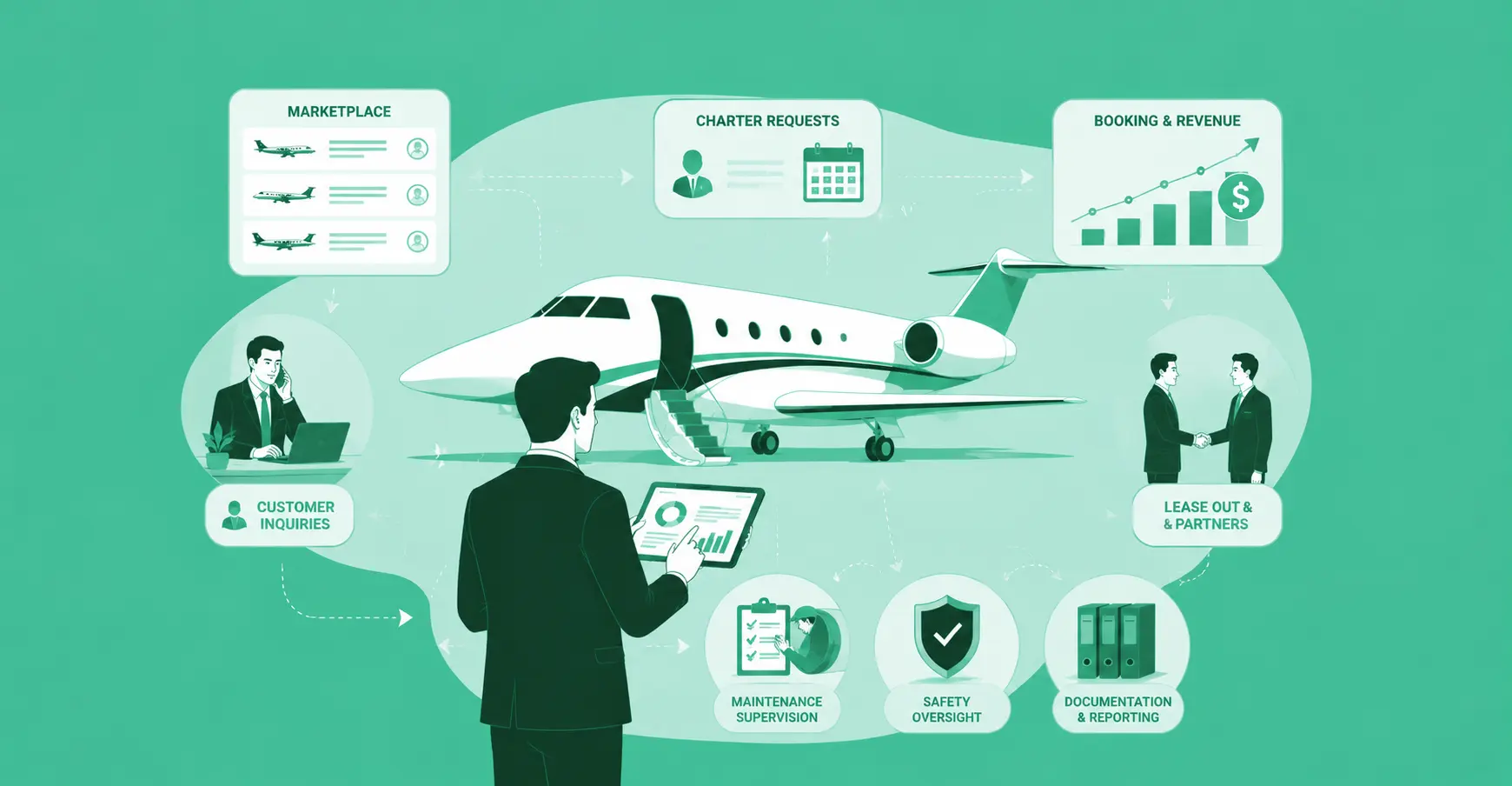
Our company offers a comprehensive approach. Looking to purchase a private jet or rent a business jet for a specific period? We'll be your reliable partner. Each client receives a personalized approach: we introduce our model range and help you choose the right aircraft. We select the optimal rental terms, always keeping your budget and business objectives in mind.
We value the trust you give us and strive to build long-term and mutually beneficial relationships with each client.
With JetHunter, you're not just buying a plane—you're discovering a new standard of living, where distance isn't a barrier to your ambitions!