BETA Technologies
/en/brand/beta-technologies/
Beta Technologies is an electric-aircraft developer from Vermont, founded in 2017 by engineer and pilot Kyle Clark. Beta walks its own path: while competitors focus on passenger air taxis, the company is building electric aviation as a system — aircraft plus infrastructure, and cargo and medical missions before passengers.
ALIA: one platform, two versions
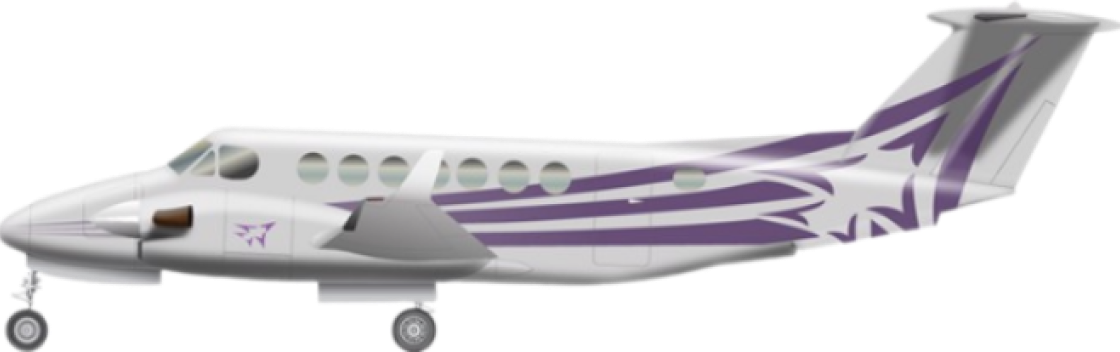
The ALIA platform exists in two variants. The eVTOL version, with four lift rotors and a pusher propeller, is designed for a pilot and five passengers; its stated range of about 460 km is the best in the class. The conventional-takeoff version, the CX300 (eCTOL), is certifying earlier and is already flying real commercial missions. Platform cruise speed is around 270 km/h. Following a program review, eVTOL certification has moved to 2028 — Beta is deliberately trading schedule for sequence.
Infrastructure as the moat
Beta's trump card is its proprietary fast-charging network: dozens of operational stations along the US East Coast, compatible with ground electric vehicles as well. No competitor has anything like it. The customer list is telling: UPS for logistics, United Therapeutics for transplant-organ delivery, and the US Air Force under Agility Prime. These are markets where an electric aircraft earns money today, not after some future certification date.
The cargo-first logic is straightforward: freight and medical routes build commercial hours under a simpler certification path, and every CX300 hospital delivery becomes reliability statistics that later support the eVTOL case. The engineering shows the same discipline — one large pusher propeller and an aerodynamically clean wing deliver record range without exotic solutions — and Beta is the only player to have built a full training pipeline, including its own flight school for electric-aviation pilots. Financially the company stands apart too: backed by Fidelity, Amazon's Climate Pledge Fund and Qatar's sovereign fund, it already books revenue from chargers, defense contracts and cargo work — a rare cushion in a segment that mostly lives round to round.
For the CIS region Beta's approach is most relevant in cargo and medevac scenarios: 200–400 km legs, regular schedules, low hourly cost. JetHunter tracks the ALIA program and can assess the platform for corporate logistics and medical aviation in Kazakhstan and Uzbekistan — including the charging-infrastructure question. For a hospital network or a mining group with scattered sites, the ALIA model can be evaluated today on paper — route lengths, charging placement, dispatch reliability — well before the first aircraft is available for delivery to the region.
Cruising speed
222 km/h
Flight range
402 km
Seats
1+5
Price per hour
On request

